The complete customer system for agricultural and farm service companies
Know the farm. Secure the machine. Keep every finding, approval, and season connected.
Agricultural machinery requests begin with the farm account, unit or fleet number, equipment class, make and model, hours, warning indicators or customer-reported symptoms, when the concern occurs, recent work, implement status, current location, surface and access notes, photos, and seasonal timing. We connect the website, calls, messages, equipment assessment, estimates, approvals, parts updates, service records, reviews, and pre-season follow-up without turning a warning light, photo, code, or form into a remote diagnosis, safe-to-operate decision, repair authorization, parts confirmation, yield claim, uptime promise, or exact completion time.
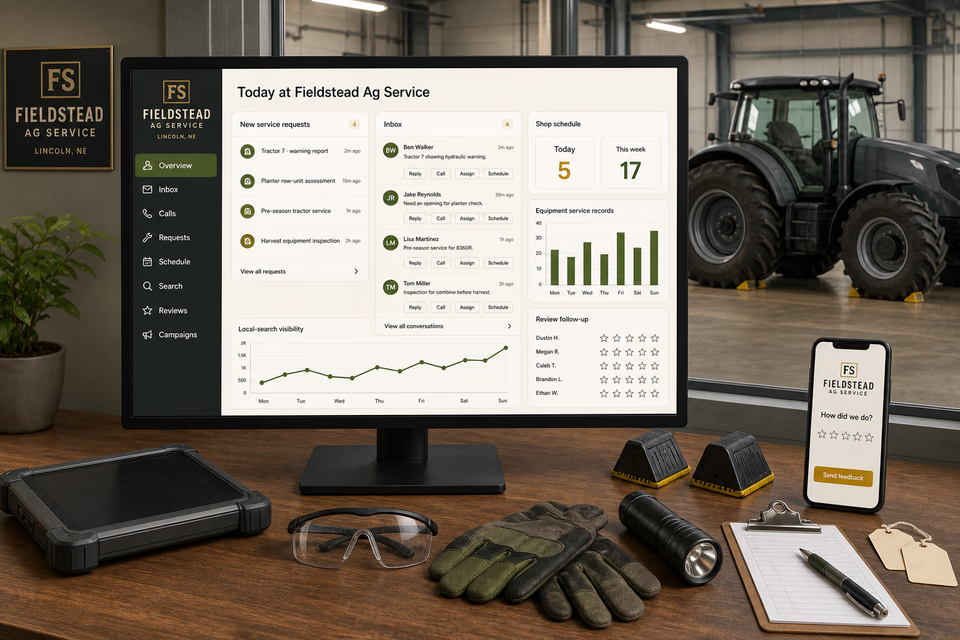
Fieldstead Ag ServiceWebsite, response, search, reviews, and follow-up
What the complete setup should do
Be useful before, during, and after the service call.
A row-crop tractor warning, planter row-unit concern, seeder setup question, hay-equipment issue, harvest-machine request, and planned seasonal service each require different facts and records. The customer system should preserve the customer report, current equipment status, farm and unit identity, controlled assessment, conditional findings, authorization, parts decisions, service history, and closeout photos while keeping construction equipment, road-going diesel fleets, rental operations, and small-engine benches on their own profession paths.
01
Start with the farm account, exact unit, and operating context
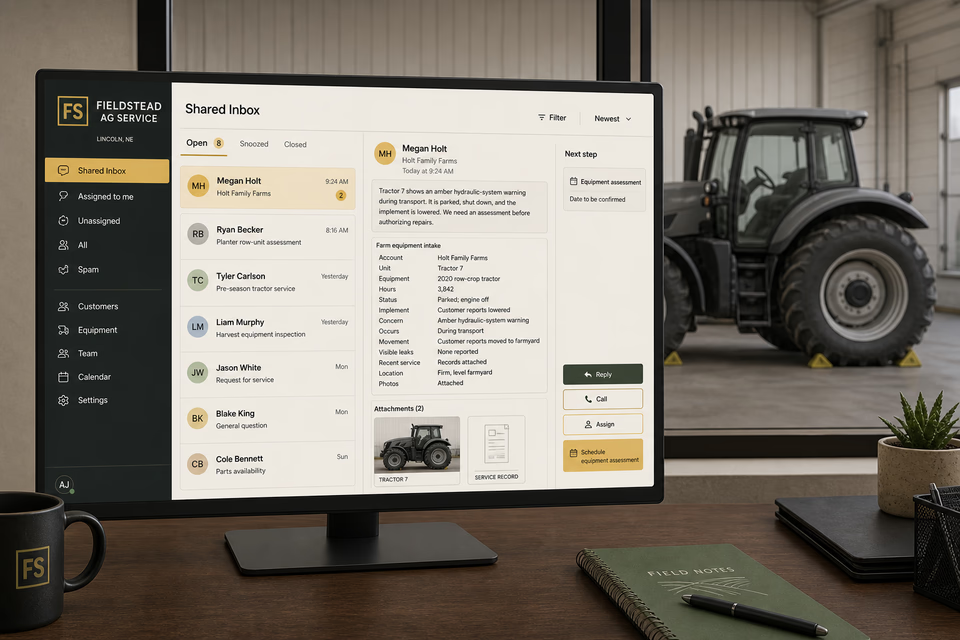
Collect the farm or account, unit or fleet number, equipment class, make and model, hours, customer-reported warning or symptom, when it occurs, recent work, current location, seasonal timing, and useful photos. Keep that customer report distinct from later observations so the team can trace what was known at each step.
02
Record the machine and site status before assessment
The intake should capture whether the machine is parked and powered down, the customer-reported implement position, the firmness and level of the work area, access conditions, and any limits the service team needs to review. The technician should confirm the controlled setup under the company's procedures before assessment begins.
03
Keep findings conditional and decisions customer-authorized
Diagnostic observations, unresolved questions, recommended next steps, estimate details, parts choices and availability, customer decisions, and schedule updates should stay together. A photo, warning indicator, message, or initial reading should not be presented as a confirmed cause, complete scope, or authorization to proceed.
04
Close out with a useful equipment and seasonal record
A practical handoff can organize the customer-reported concern, secured-equipment status, observations, authorized work, parts and labor entries, equipment photos, open items, and future seasonal planning. It should document what was found and approved without promising ongoing operation, crop results, permanent correction, or a particular future schedule.
The agricultural and farm service system
Three parts. One customer journey.
Each part is built around planned and diagnostic service for row-crop tractors, planters, seeders, tillage and hay equipment, harvest machinery, seasonal inspections, customer-authorized repairs, parts and status updates, and equipment records, and every service below links to the full explanation of what it does.
01
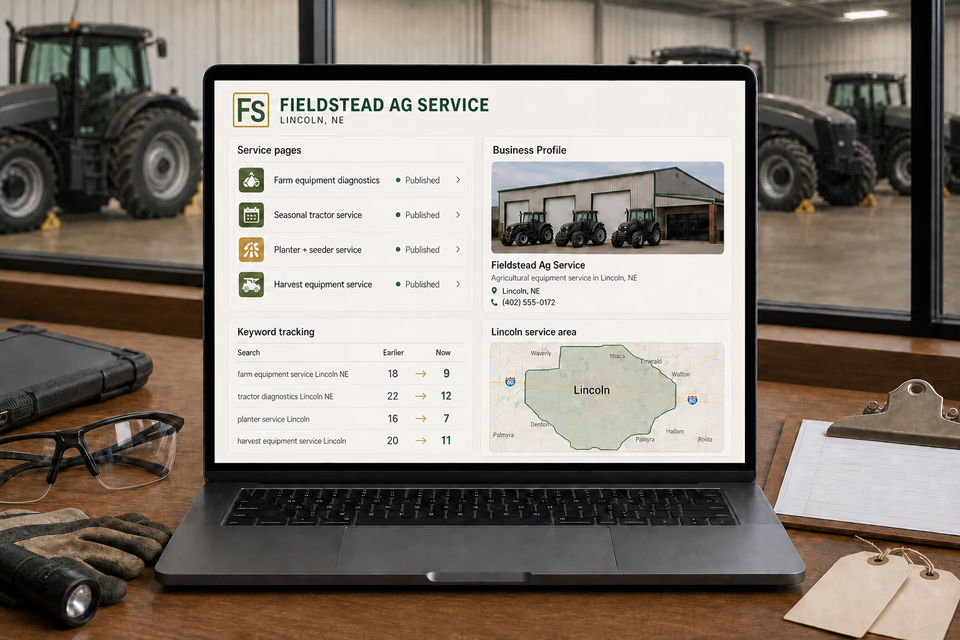
Get found for the farm machinery and service path customers actually need
Give tractor, planter, seeder, hay, harvest, system-diagnostic, and seasonal-service work distinct room to explain itself.
Build focused pages around the machinery classes and services the company truly supports, the information needed to begin review, the communities covered, and the documented path from request to assessment. Keep local profiles accurate without ranking, availability, diagnosis, parts, timing, yield, certification, or equipment-performance claims.
Keep the farm, unit, equipment status, and concern together
Turn a machinery-service message into a reviewable request with one owned record.
Farm account, unit number, equipment class, hours, customer-reported warning or symptom, when it occurs, recent work, current status, location, access notes, photos, reply, assignment, and next assessment step stay attached. The team can request missing facts and confirm the controlled setup before offering findings or an estimate.
Close out with useful equipment history and seasonal context
Make authorized work, open items, records, and future planning easier to review.
Provide an organized record with the exact unit, customer-reported concern, secured-equipment status, diagnostic observations, authorized work, parts and labor entries, photos, unresolved items, and customer feedback. Send restrained pre-season reminders without implying parts availability, priority scheduling, future uptime, or crop performance.
Pages built around the farm machinery and service paths customers actually need
One “services” page is not enough.
Row-crop tractors, planters, seeders, tillage equipment, hay and forage equipment, harvest machinery, electrical systems, starting and charging systems, hydraulic-system concerns, cooling systems, and planned seasonal assessments create different intake and proof needs. Give each machinery class and service the company genuinely supports a focused page that explains what information begins the review, how observations and approvals are documented, and where the scope stops. Keep construction heavy equipment, commercial diesel fleets, rental inventory, and small-engine work on distinct profession routes.
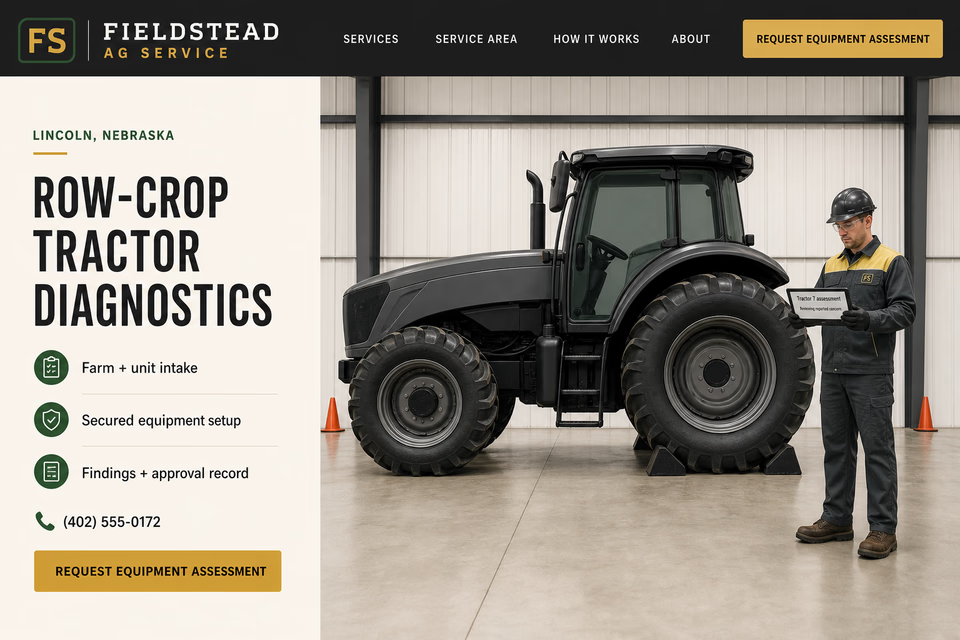
Row-crop tractor diagnostics
Seasonal tractor service
Planter row-unit assessment + service
Seeder setup-concern assessment + service
Tillage equipment service
Hay + forage equipment service
Baler service
Combine + harvest equipment service
Farm equipment electrical diagnostics
Starting + charging system diagnostics
Hydraulic-system diagnostics + service
Farm machinery cooling-system service
Pre-season equipment assessments
Service-area pages for the communities you really cover
From search to the next job
The handoffs are the whole point.
The website should not end at a form, and a completed job should not end at an invoice. Each useful step gives the next person context.
01
They find the right service
A useful page or local listing matches the problem and gives the customer one obvious way to act.
02
The request stays alive
The call, form, or message lands in the same customer record with the service, location, and conversation attached.
03
A person owns the next step
The owner or office can reply, call, qualify, assign, and schedule with the history already in front of them.
04
The finished job keeps working
Feedback, reviews, print, referrals, and useful customer follow-up help one completed job create the next opportunity.
Agricultural and farm service questions, straight answers
Clear farm and unit intake. Controlled assessment. Conditional findings, parts, approvals, and schedules.
01Is this just a farm equipment service website package?
No. The website is the front door. The complete setup can connect calls, messages, farm and unit intake, customer-reported symptoms, equipment-status notes, photos, service history, assessments, estimates, approvals, parts updates, service records, reviews, local visibility, print, and seasonal follow-up around the way the company moves each request to a documented next step.
02Can a warning indicator, photo, fault code, or message confirm the diagnosis or whether the machine should operate?
No. Those details can help organize the request, but the company still needs to identify the exact machine, review its condition and history, establish a controlled assessment setup, perform its actual checks, and document the observations before discussing a cause, scope, or operating decision.
03Can the page promise exact completion timing, parts availability, uptime, or crop results?
No. Timing and scope can change with onsite findings, access, season, current workload, parts, approvals, and additional testing. The system should communicate the current status and next decision clearly without converting an early request into a fixed result or agricultural-performance claim.
04Should construction heavy equipment, commercial diesel fleets, rental operations, and small-engine work share this destination?
No. This route is for agricultural machinery used in farm operations, including supported tractors, planting, seeding, tillage, hay, forage, and harvest equipment. Construction equipment, road-going trucks and fleets, rental inventory and agreements, and bench-oriented small-engine service have different customers, facilities, safety controls, dispatch, proof, and records and should keep their own profession pages.
Want to see the complete setup for your agricultural and farm service company?
Bring the old site. Or the lack of one.
We will show you how the website, calls, messages, local search, reviews, and follow-up can work as one practical customer system.