Start with the property and system map
A useful request identifies the property type, stories, reported system count, estimated register count, supply and return areas, system-access location, recent renovations, and current overview photos.

The complete customer system for air-duct cleaning companies
Air-duct cleaning requests depend on the property type, stories, reported system count, register count, supply and return areas, system-access location, occupancy, pets, recent renovations, visible grille condition, and current photos. We connect the website, calls, messages, local search, reviews, and follow-up so every inquiry reaches the office with useful context and every visit stays attached to the right property and system record.
What the complete setup should do
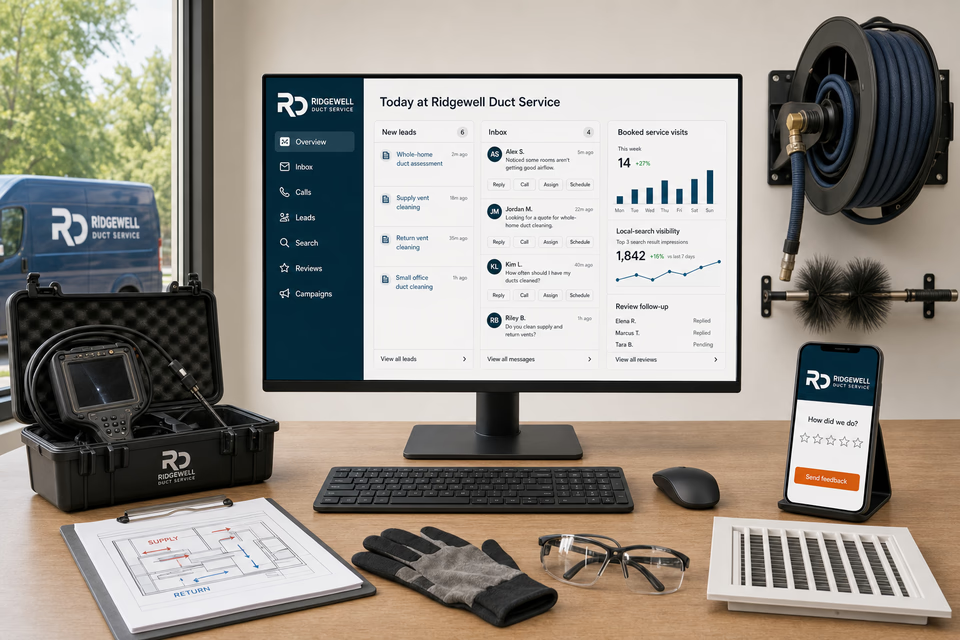
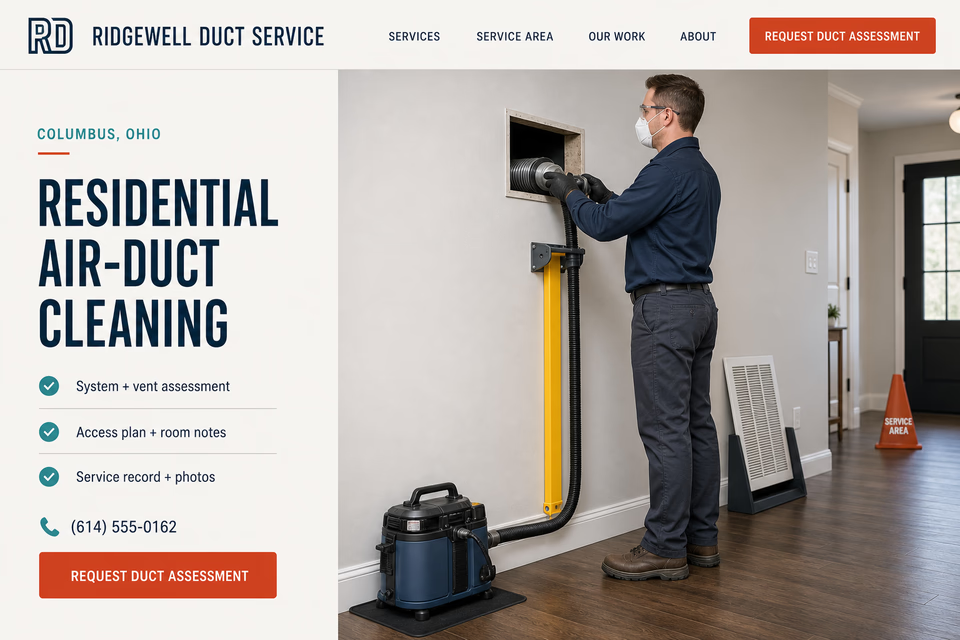
Residential and small-office duct service should move from a system and vent assessment through room and access planning, contained equipment setup, area-by-area service notes, register observations, final grille photos, feedback, and future work details when separately confirmed.
A useful request identifies the property type, stories, reported system count, estimated register count, supply and return areas, system-access location, recent renovations, and current overview photos.
Front-door or building entry, basement or utility access, occupied rooms, pets, parking, equipment route, and customer-noted room exceptions should remain attached to the correct property record.
Customer photos and visible grille notes can prepare the conversation, while the onsite assessment, actual vent layout, system access, equipment route, and requested areas shape the service plan.
A coordinated handoff can preserve the system and access summary, supply and return register notes, equipment setup record, areas serviced, customer-noted exceptions, final grille photos, feedback request, and further-work details when discussed separately.
The air-duct cleaning company system
Each part is built around residential and small-office duct assessments, supply and return vent cleaning, register and grille service, system-access planning, equipment setup, and visit documentation, and every service below links to the full explanation of what it does.
Get found for the duct service customers are seeking
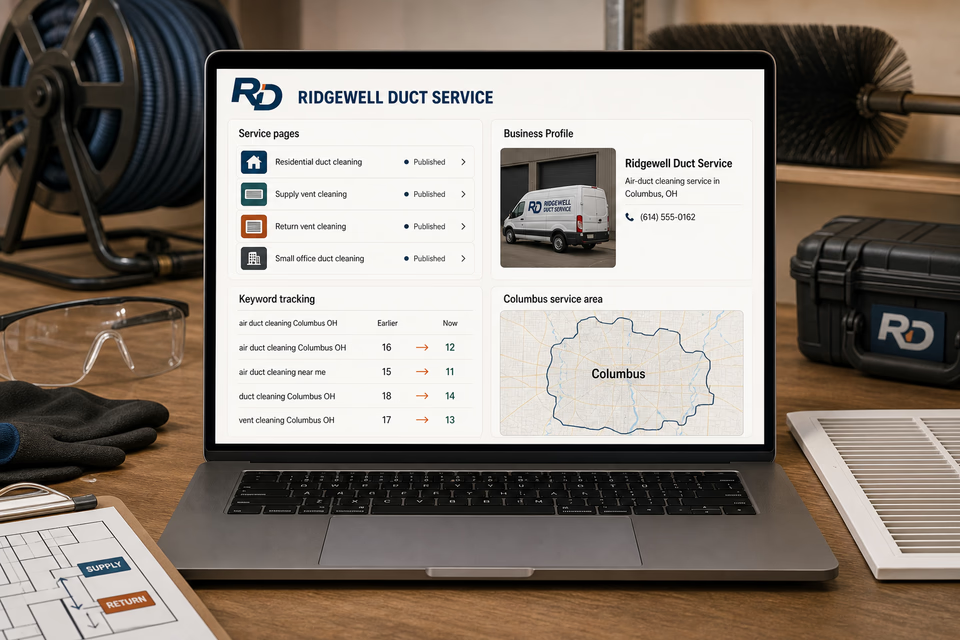
Build useful pages around the duct-cleaning work you genuinely perform, the system and access details customers should gather, representative property types, and the communities you serve. Connect local search and campaigns to a relevant service instead of one generic cleaning page.
Turn a missed call into a prepared duct assessment
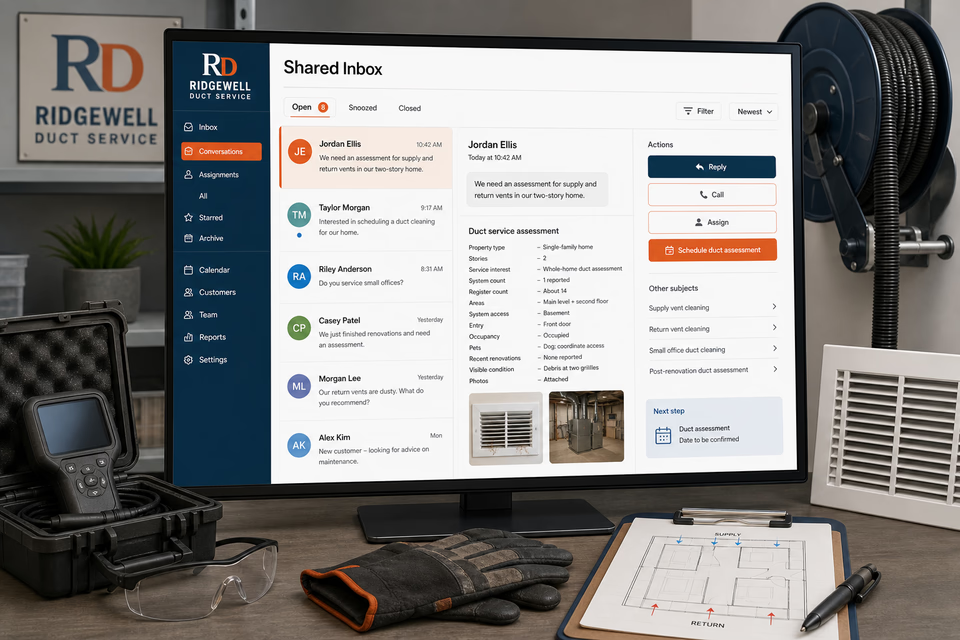
A missed call can become a normal text conversation. Property type, stories, reported system count, estimated registers, supply and return areas, system-access location, occupied rooms, pet notes, recent renovations, visible grille condition, equipment route, and photos stay attached so the office can schedule a better-informed assessment.
Finish each visit with an organized service record
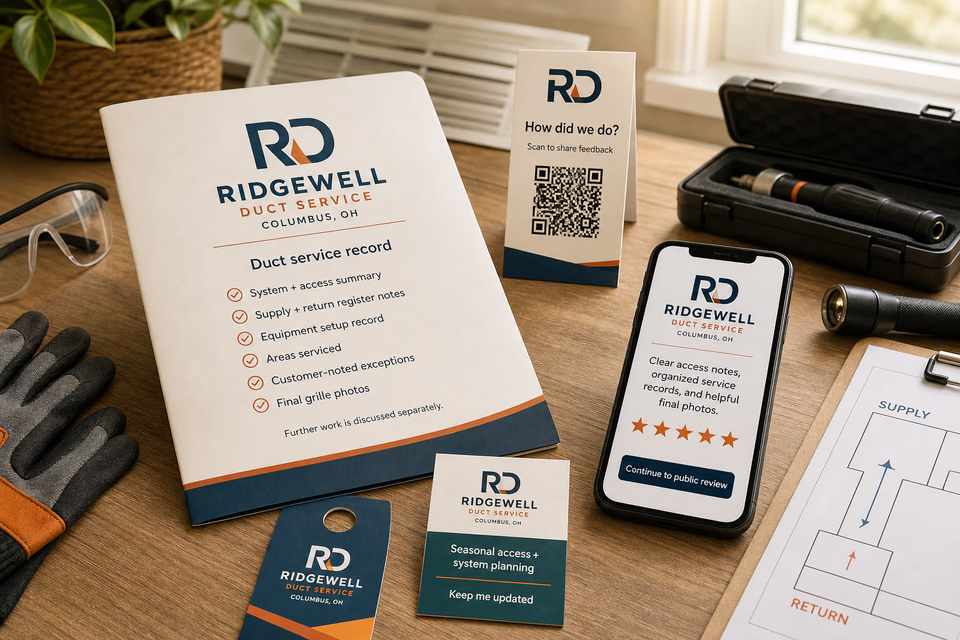
Share the system and access summary, supply and return register notes, equipment setup record, areas serviced, customer-noted exceptions, and final grille photos. Then collect feedback and offer seasonal access or system planning to customers who choose to hear from you.
Every part of the offer
These are the complete Worker Websites services that can support a air-duct cleaning company. Open any service for the deeper explanation.
Explain residential and small-office duct assessments, supply and return vent cleaning, register and grille service, system-access planning, equipment setup, and visit documentation, show the real service area, and make the next step easy on a phone.
See the service 02Acknowledge an allowed missed call while the customer is still deciding who to contact.
See the service 03Keep calls, texts, forms, email, chat, and social messages in one active customer conversation.
See the service 04Give the team one work number for calls, texts, and job photos without sharing a personal cell.
See the service 05Follow up on duct assessments, missing property or system details, open register counts, supply and return areas, system-access questions, occupancy and pet notes, recent renovation details, equipment routes, visit records, and seasonal access planning without losing the human handoff.
See the service 06Survey the customer first, then make the public review path easy when they are fully satisfied.
See the service 07Send seasonal system-access planning, post-renovation assessments, multi-system property updates, small-office scheduling, missing-photo follow-up, and final-photo or referral requests to past customers who agreed to hear from you.
See the service 08Improve the pages people find and keep the local listing complete, accurate, and tied to the right services.
See the service 09Track the searches that matter and keep improving useful air-duct cleaning company service and location content.
See the service 10Put paid search behind specific residential and small-office duct assessments, supply and return vent cleaning, register and grille service, system-access planning, equipment setup, and visit documentation, locations, landing pages, and clear tracking.
See the service 11Use duct-assessment folders, supply and return diagrams, property and access records, register-count sheets, equipment setup records, serviced-area notes, exception forms, final-grille photo sheets, QR feedback pieces, and seasonal planning leave-behinds and other practical pieces before and after the job.
See the service 12Make the website, service vehicles, technician apparel, inspection cameras, contained vacuum units, capped hoses, duct brushes, register grilles, duct-assessment folders, setup records, final-photo sheets, and customer messages look like the same air-duct cleaning company.
See the servicePages built around real duct-service requests
Whole-home service, supply and return vents, multi-system properties, small offices, post-renovation assessments, and register work involve different system counts, vent locations, access points, occupied spaces, equipment routes, and records. Focused pages help customers recognize the relevant service and request a useful duct assessment.
From search to the next job
The website should not end at a form, and a completed job should not end at an invoice. Each useful step gives the next person context.
A useful page or local listing matches the problem and gives the customer one obvious way to act.
The call, form, or message lands in the same customer record with the service, location, and conversation attached.
The owner or office can reply, call, qualify, assign, and schedule with the history already in front of them.
Feedback, reviews, print, referrals, and useful customer follow-up help one completed job create the next opportunity.
Air-duct cleaning questions, straight answers
Ask for the property type, stories, reported system count, estimated register count, supply and return areas, system-access location, occupancy, pet notes, recent renovations, visible grille condition, photos, and a preferred scheduling window.
No. Customer photos and visible grille notes help prepare the conversation, while the onsite assessment, actual system layout, access, equipment route, and requested areas determine the final scope.
Duct cleaning centers on vent layouts, system access, contained equipment setup, register notes, serviced areas, and final photos. HVAC repair involves equipment diagnosis, parts, controls, and a different customer journey, so it should remain distinct.
When recent work changes the customer's timing, room access, visible grille conditions, or system questions, a focused page can gather those details without assuming the final service scope.
Want to see the complete setup for your air-duct cleaning company?
We will show you how the website, calls, messages, local search, reviews, and follow-up can work as one practical customer system.
Book the 20-minute demo