Start with the pavement and property use
The request path should collect the address, pavement type and condition, approximate area, current use, photos, known trouble spots, access, delivery windows, and desired timing before a site walk is booked.

The complete customer system for asphalt and paving contractors
Paving work moves from pavement condition and property use into area, access, traffic, drainage observations, base preparation, material planning, equipment, weather, and phasing. We connect the website, calls, messages, site photos, site walks, reviews, and follow-up so estimators, dispatchers, crews, and customers keep the same operational picture.
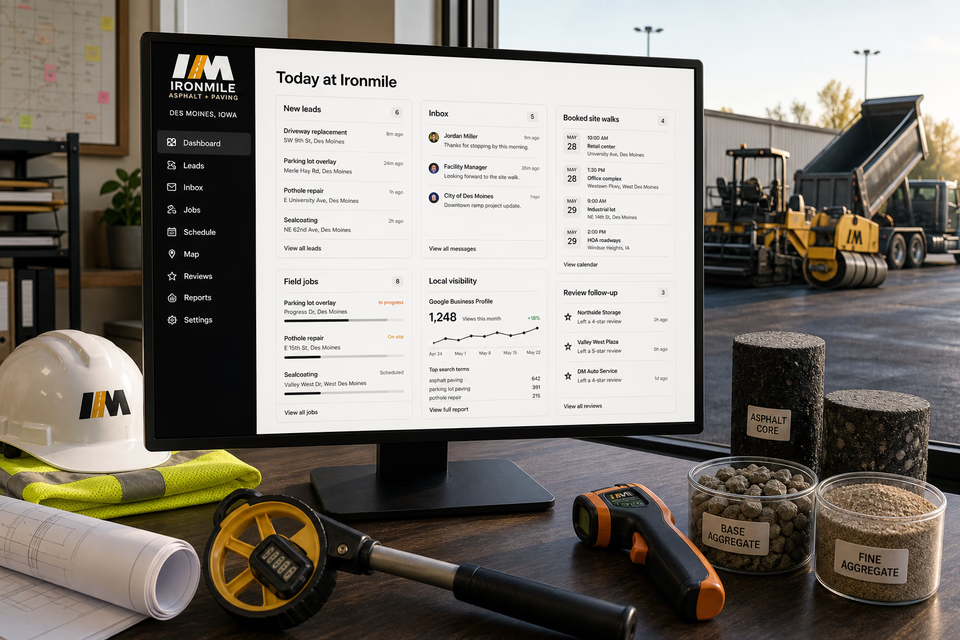
What the complete setup should do
A residential driveway, active retail lot, mill-and-overlay project, pothole repair, sealcoat visit, and striping scope are different jobs. The customer system should organize pavement photos, approximate area, use, access, delivery windows, drainage observations, and desired timing without setting final scope, thickness, price, schedule, or performance before a site evaluation.
The request path should collect the address, pavement type and condition, approximate area, current use, photos, known trouble spots, access, delivery windows, and desired timing before a site walk is booked.
New paving, replacement, mill-and-overlay work, full-depth repair, pothole patching, crack filling, sealcoating, and striping need distinct pages and estimating paths rather than one catch-all asphalt form.
Customer plans, condition photos, approximate square footage, traffic and tenant needs, delivery restrictions, drainage observations, and phasing questions should stay with the same conversation from intake through crew planning.
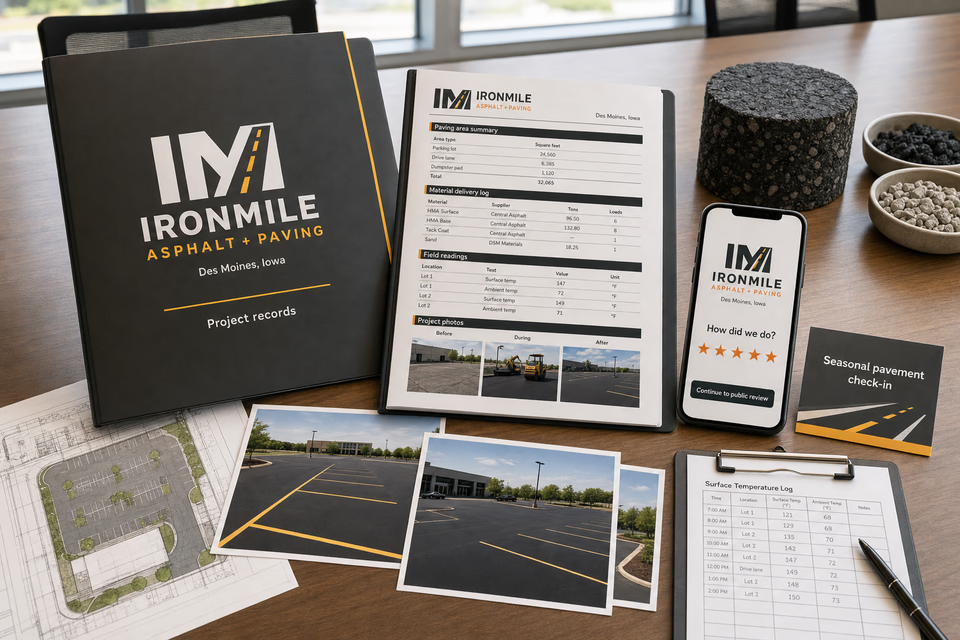
A useful closeout can organize the paving-area summary, material delivery log, neutral field readings, project photos, customer feedback, and a restrained seasonal pavement check-in.
The asphalt and paving system
Each part is built around asphalt driveways, parking lots, mill-and-overlay work, patching, sealcoating, and pavement maintenance, and every service below links to the full explanation of what it does.
Get found for the exact paving need
Build focused pages around the asphalt services you truly provide, the property information customers can share, the site-evaluation process, and the communities you cover. Keep local listings, search work, and campaigns aligned with those same scopes.
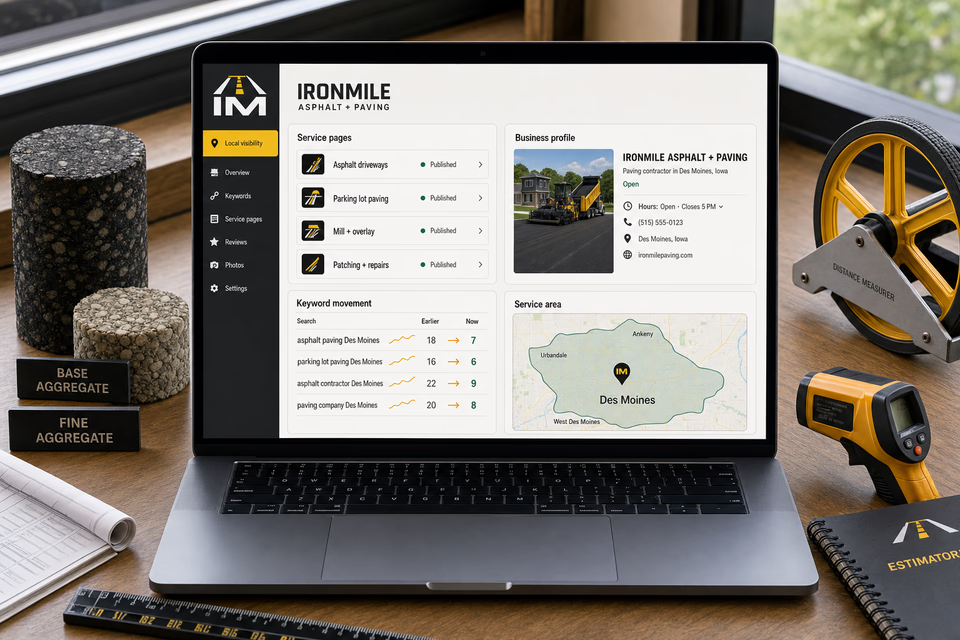
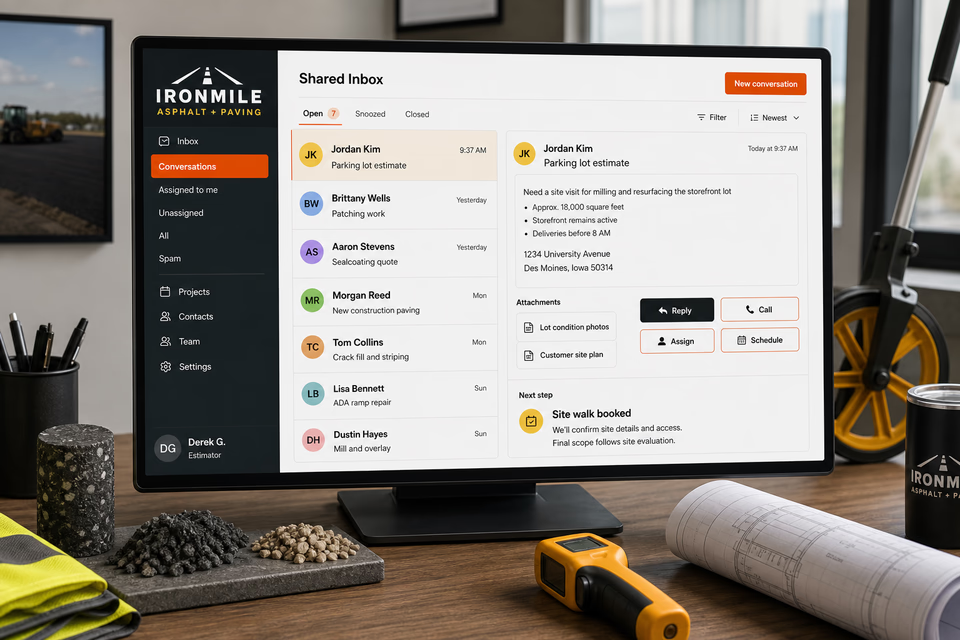
Keep the site and access story together
A call or form can become one owned conversation. Pavement photos, customer plans, traffic or tenant details, access windows, reply, assignment, and site-walk schedule stay together for the estimator, dispatcher, and field team.
Close out with neutral project records
Ask how the project went, make a public review easy, deliver an organized record with the paving-area summary, material log, field notes, and project photos, and send restrained seasonal check-ins without inventing lifespan or performance promises.
Every part of the offer
These are the complete Worker Websites services that can support a asphalt and paving contractor. Open any service for the deeper explanation.
Explain asphalt driveways, parking lots, mill-and-overlay work, patching, sealcoating, and pavement maintenance, show the real service area, and make the next step easy on a phone.
See the service 02Acknowledge an allowed missed call while the customer is still deciding who to contact.
See the service 03Keep calls, texts, forms, email, chat, and social messages in one active customer conversation.
See the service 04Give the team one work number for calls, texts, and job photos without sharing a personal cell.
See the service 05Follow up on site-walk requests, open paving proposals, customer site plans, property-access questions, material selections, and phasing decisions without losing the human handoff.
See the service 06Survey the customer first, then make the public review path easy when they are fully satisfied.
See the service 07Send spring pavement-planning check-ins, seasonal maintenance reminders, and thoughtful post-project referral invitations to past customers who agreed to hear from you.
See the service 08Improve the pages people find and keep the local listing complete, accurate, and tied to the right services.
See the service 09Track the searches that matter and keep improving useful asphalt and paving contractor service and location content.
See the service 10Put paid search behind specific asphalt driveways, parking lots, mill-and-overlay work, patching, sealcoating, and pavement maintenance, locations, landing pages, and clear tracking.
See the service 11Use site-walk worksheets, paving-area summaries, phasing maps, material-delivery logs, pavement-care cards, and QR feedback pieces and other practical pieces before and after the job.
See the service 12Make the website, trucks and equipment, crew apparel, proposals, traffic-control materials, project folders, closeout records, and customer messages look like the same asphalt and paving contractor.
See the servicePages built around real paving scopes
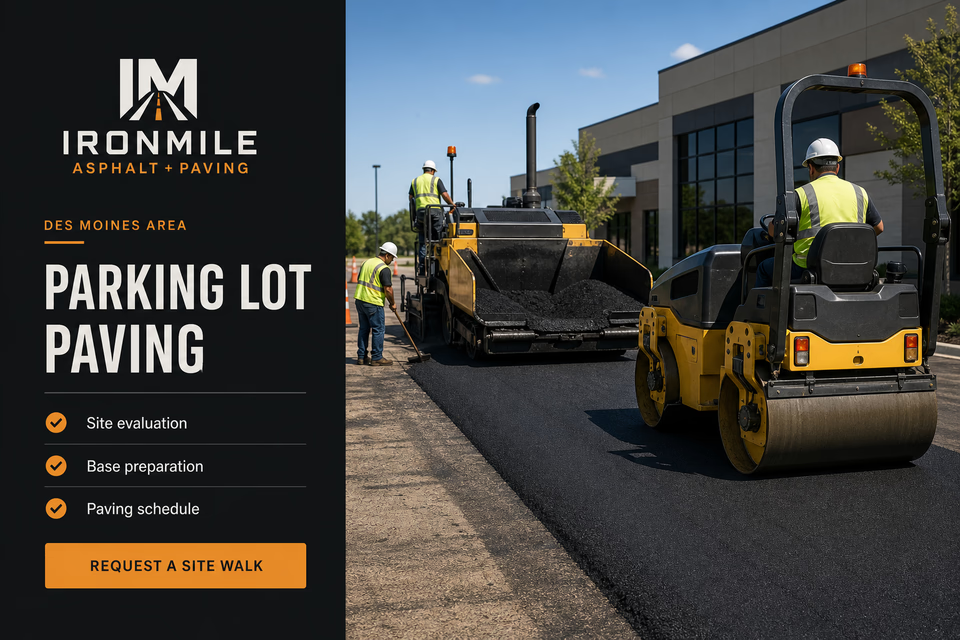
Driveway paving, parking lots, overlays, full-depth repairs, patching, sealcoating, crack filling, and striping have different preparation, equipment, access, and phasing requirements. Give each service you truly offer a focused page with useful intake details and a clear site-walk request.
From search to the next job
The website should not end at a form, and a completed job should not end at an invoice. Each useful step gives the next person context.
A useful page or local listing matches the problem and gives the customer one obvious way to act.
The call, form, or message lands in the same customer record with the service, location, and conversation attached.
The owner or office can reply, call, qualify, assign, and schedule with the history already in front of them.
Feedback, reviews, print, referrals, and useful customer follow-up help one completed job create the next opportunity.
Paving contractor questions, straight answers
No. The website is the front door. The complete setup can connect calls, texts, forms, site photos, site-walk requests, the shared inbox, scheduling, follow-up, reviews, local search, ads, print, and branding around the way your paving company actually handles a project.
No. It can collect condition photos, approximate area, property use, access, traffic needs, drainage observations, and customer plans so the estimator can prepare. Final preparation, materials, thickness, phasing, timing, and price still follow the company's site evaluation and estimating process.
No. The site can explain offered paving and maintenance methods, evaluation, documentation, and only the warranty the company actually provides. Pavement performance depends on site, base, water, use, weather, maintenance, and other conditions that should not be reduced to a blanket promise.
No. The site can describe the striping or related work the company genuinely performs, but project-specific requirements, plans, permits, and approvals still need to be verified by the appropriate parties. The website should not present the contractor as the approving authority.
Want to see the complete setup for your asphalt and paving contractor?
We will show you how the website, calls, messages, local search, reviews, and follow-up can work as one practical customer system.
Book the 20-minute demo