The complete customer system for auto detailing companies
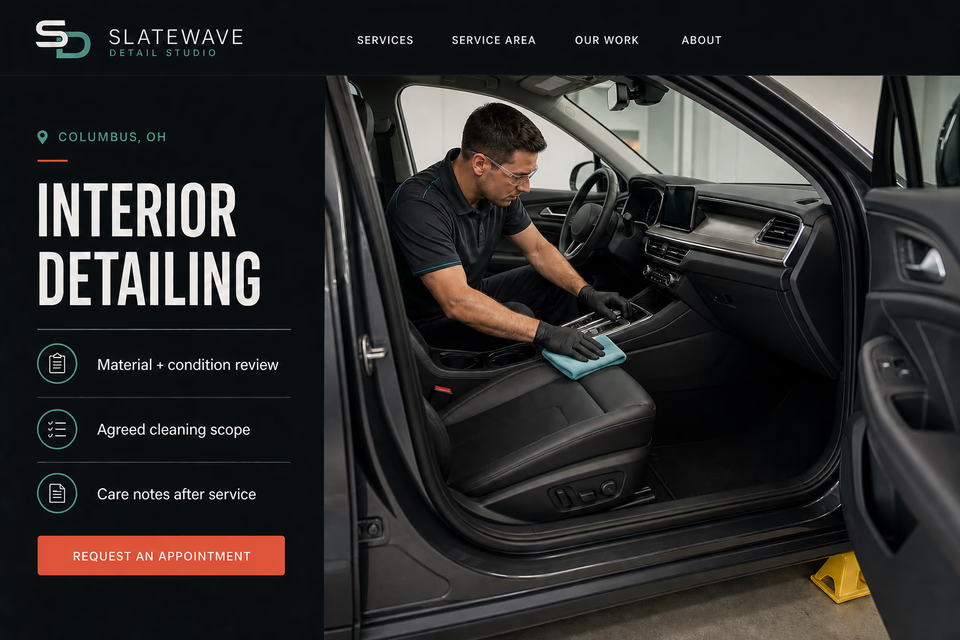
Start with the materials and condition. Agree on the detail scope. Document what was done and what was observed.
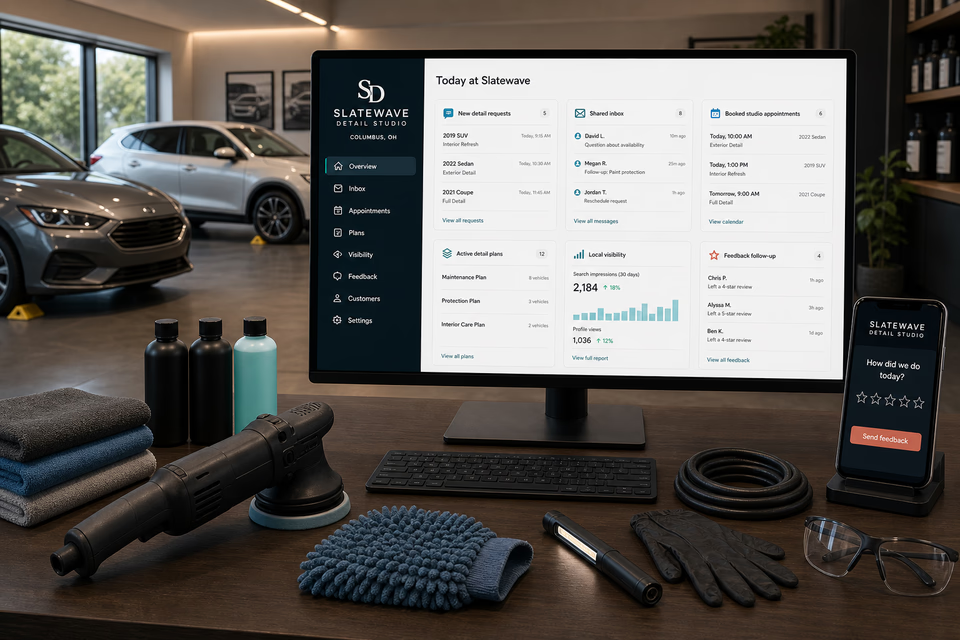
Auto-detailing requests move from vehicle size, interior materials, reported marks or odors, exterior condition, prior coatings or bodywork, photos, access, and timing preferences into an in-person assessment, agreed appearance-care scope, appointment, service notes, completed-area record, customer feedback, and optional maintenance planning. We connect the website, calls, messages, studio appointments, local search, reviews, and follow-up so the customer and detailing team keep the same facts without turning a photo, package name, preliminary range, product label, or marketing page into a promise of stain, odor, scratch, swirl, contamination, or defect removal; fixed price or completion time; sanitization; coating lifespan; lease-return approval; vehicle-value increase; or a guaranteed appearance outcome.
Slatewave Detail StudioWebsite, response, search, reviews, and follow-up
What the complete setup should do
Be useful before, during, and after the service call.
An interior refresh, exterior detail, paint-correction inquiry, coating consultation, pre-sale visit, lease-return preparation, maintenance detail, and fleet appearance plan are different requests. The customer system should organize the vehicle type and size, materials, reported condition, prior surface work or coatings, intended use, photos when useful, personal-item and access notes, studio or approved onsite preference, and desired timing before the company confirms process, package, compatibility, price, duration, or likely result.
01
Start with the vehicle, materials, condition, and appearance goal
Ask for the vehicle type and approximate size, interior materials, reported stains or odors, pet hair, exterior marks, prior paint work or coatings, recent contamination, intended use, photos when useful, studio or approved onsite preference, access, personal items, and any sensitive surfaces or controls. Customer descriptions and photos should guide assessment, not determine the final process or result.
02
Separate assessment from a package promise
Surface condition, material compatibility, test areas, access, embedded debris, prior products, edge and trim condition, and what becomes visible during service can change the recommended scope. Record observations, exclusions, limitations, options, and customer authorization before presenting any process as approved or any result as likely.
03
Keep scope, access, products, and updates attached
The agreed areas, package components, optional work, material notes, customer approval limits, appointment location, keys and access, personal-item instructions, products selected by the company, photos approved for the record, schedule changes, added observations, and customer messages should stay with the same detail plan. A request for information should not be treated as authorization.
04
Close out with an appearance record and care notes
A useful handoff can organize the completed scope, products used, neutral observed condition, areas not included, unresolved marks or limitations, customer feedback, and product-specific care notes. It should document the visit without promising permanent protection, complete defect removal, sanitization, lease acceptance, resale value, future paint condition, or a guaranteed result.
The auto detailing system
Three parts. One customer journey.
Each part is built around interior detailing, exterior hand care, surface and material assessment, paint-correction evaluation, protective-coating consultation and application, upholstery and carpet care, glass and trim detailing, wheel-face cleaning, maintenance details, lease-return appearance preparation, pre-sale appearance preparation, fleet appearance plans, documented closeout, and customer-approved follow-up, and every service below links to the full explanation of what it does.
01
Get found for the appearance service and vehicle context customers are searching for
Give interior, exterior, paint-correction, coating, maintenance, pre-sale, lease-return, and fleet appearance work distinct room to explain itself.
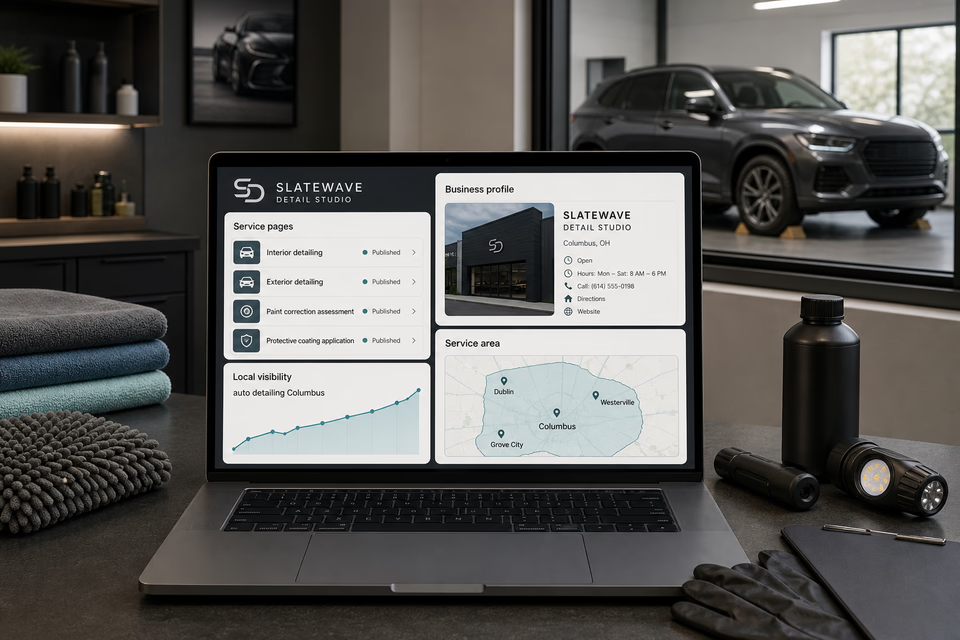
Build focused pages around the services the company actually performs, materials and condition it assesses, the appointment and authorization process, studio or supported onsite model, and communities covered. Keep local profiles and search work accurate without ranking, price, duration, removal, sanitization, protection-lifespan, vehicle-value, lease-approval, or outcome claims.
Keep vehicle details, appearance concerns, photos, and scope questions together
Hold onto materials, reported marks, prior surface work, access, personal-item notes, and the consultation window.
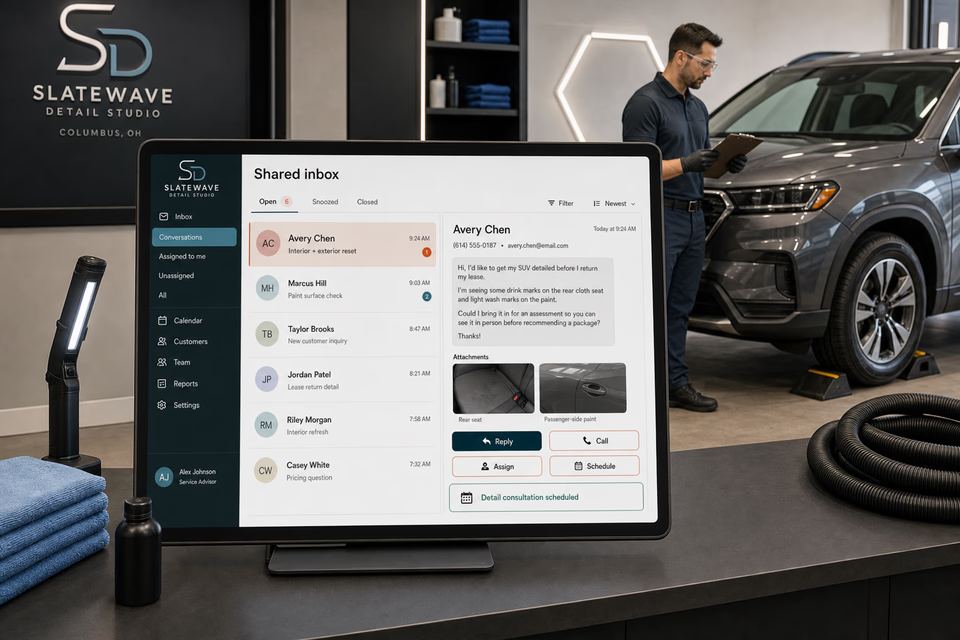
A call, form, or message can become one owned conversation. Vehicle size, interior materials, customer-observed marks or odors, exterior condition, prior coatings or bodywork, useful photos, desired services, studio or approved onsite preference, access notes, authorization limits, reply, assignment, and appointment schedule stay together for the advisor and detailing team.
Package completed areas, products used, observed condition, exclusions, care notes, and feedback.
Share an organized vehicle appearance record with the agreed scope, completed detail, products used, neutral observations, limitations, unresolved items, and care guidance appropriate to the products and surfaces involved. Gather feedback and offer restrained seasonal planning without implying permanent protection, guaranteed future condition, or that every visit requires the same process.
Pages built around materials, condition, appearance goals, and an agreed scope
One “services” page is not enough.
Interior materials, upholstery, carpets, glass, trim, paint condition, embedded contamination, prior correction or coatings, vehicle size, and access can change the appropriate process. Give each detailing service the company genuinely performs a focused assessment-and-appointment path while keeping mechanical repair, mobile mechanics, tire service, towing, diesel and fleet repair, collision or body work, hazardous remediation, and RV service on their own profession routes.
Interior detailing
Exterior hand wash + decontamination—when genuinely offered
Paint correction assessment + service
Protective coating consultation + application
Upholstery + carpet care
Leather surface care
Pet-hair cleanup—scope depends on material and condition
Odor-source assessment + interior treatment—without an odor-removal or sanitization guarantee
Glass + trim detailing
Wheel-face + tire-sidewall appearance care—not tire service
Fleet appearance plans—not diesel or mechanical fleet service
Approved onsite detailing—only when the company offers it and conditions support safe work
Service-area pages for the communities you really cover
From search to the next job
The handoffs are the whole point.
The website should not end at a form, and a completed job should not end at an invoice. Each useful step gives the next person context.
01
They find the right service
A useful page or local listing matches the problem and gives the customer one obvious way to act.
02
The request stays alive
The call, form, or message lands in the same customer record with the service, location, and conversation attached.
03
A person owns the next step
The owner or office can reply, call, qualify, assign, and schedule with the history already in front of them.
04
The finished job keeps working
Feedback, reviews, print, referrals, and useful customer follow-up help one completed job create the next opportunity.
Auto detailing questions, straight answers
Assess the vehicle. Agree on the scope. Record the result without promising perfection.
01Is this just an auto detailing website package?
No. The website is the front door. The complete setup can connect calls, texts, forms, vehicle and material details, customer-approved photos, the shared inbox, consultation appointments, scope and authorization records, product-use notes, completed-detail records, reviews, local search, print, and branding around the way the company actually moves a customer from appearance concern to documented care notes.
02Can photos or a package page guarantee that stains, odors, scratches, swirls, or other defects will be removed?
No. Material, finish, depth, age, prior products or repairs, access, embedded contamination, test results, and what becomes visible during service can change the appropriate process and likely result. The site should collect useful information and explain assessment, options, exclusions, and limitations rather than promise complete removal or restoration.
03Can the page promise a fixed price, exact completion time, sanitization, coating lifespan, lease approval, or higher resale value?
No. Price and timing can depend on vehicle size, materials, condition, scope, testing, product compatibility, access, approvals, added observations, and company capacity. Sanitization, protection duration, lease decisions, and resale value require facts and authorities beyond ordinary marketing copy, so the page and routine closeout record should not guarantee them.
04How is auto detailing different from auto repair, mobile mechanics, tire service, towing, diesel or fleet repair, collision work, and RV service?
This route is for appearance-focused interior and exterior vehicle care. Mechanical diagnosis and repair, field mechanic work, tire-specialist service, towing and recovery, diesel or fleet maintenance, collision and body repair, hazardous remediation, and RV-specific service have different equipment, intake, safety, proof, and authorization systems and should keep their own profession pages. Approved onsite detailing can remain here when it is appearance-focused and the detailing company genuinely offers it.
Want to see the complete setup for your auto detailing company?
Bring the old site. Or the lack of one.
We will show you how the website, calls, messages, local search, reviews, and follow-up can work as one practical customer system.