The complete customer system for auto repair shops
Capture the symptoms. Diagnose before quoting. Keep every authorization, finding, and service record connected.
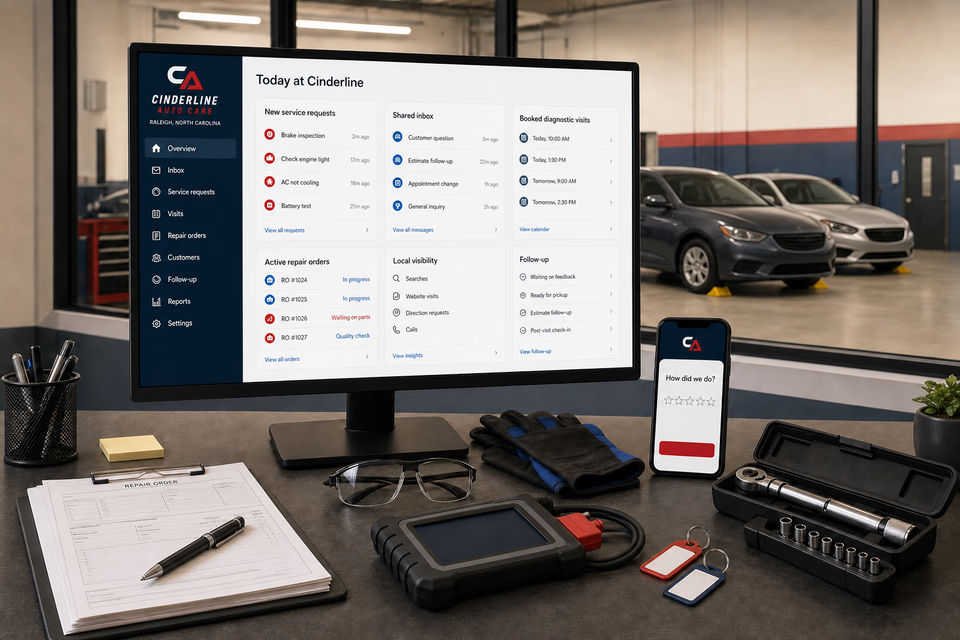
Auto-repair requests move from vehicle details, symptoms, warning indicators, recent work, and drivability concerns into a shop visit, diagnostic findings, an estimate, customer authorization, parts availability, technician notes, updates, completed-work records, and future checks. We connect the website, calls, messages, diagnostic appointments, repair orders, reviews, and follow-up so service advisors, technicians, and customers keep the same facts without turning a code, symptom, preliminary estimate, or marketing page into a guaranteed diagnosis, fix, price, completion time, safety certification, or outcome.
Cinderline Auto CareWebsite, response, search, reviews, and follow-up
What the complete setup should do
Be useful before, during, and after the service call.
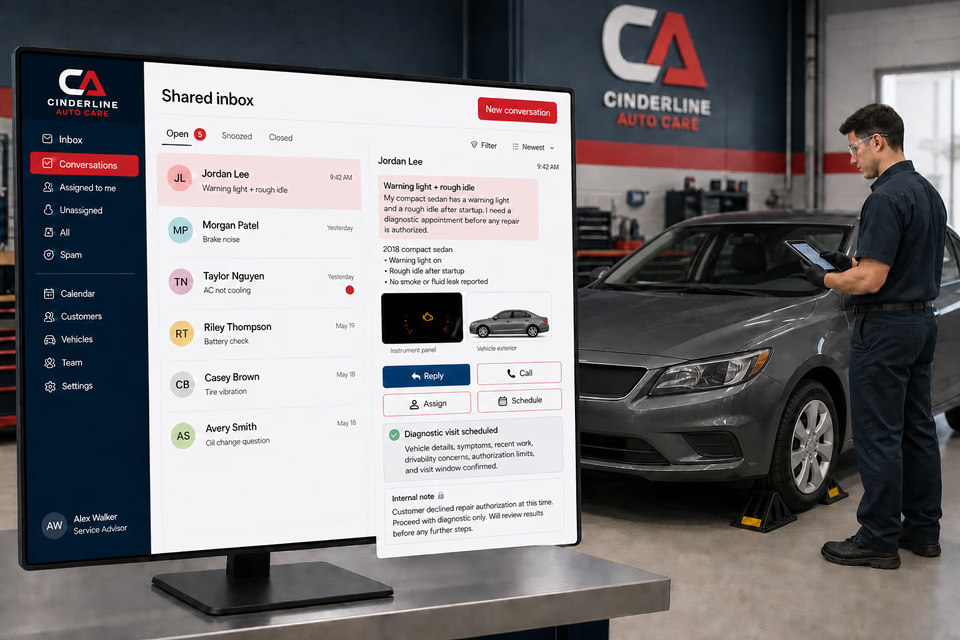
A warning light, brake noise, rough idle, no-start concern, steering issue, cooling-system symptom, maintenance visit, and pre-purchase evaluation are different requests. The customer system should organize the vehicle year and general type, mileage, symptoms, warning indicators, when the concern occurs, recent service, drivability, photos when useful, visit or tow-in needs, and authorization limits before the shop confirms testing, repair scope, parts, price, timing, or vehicle condition.
01
Start with the vehicle, symptom, and driving context
The request path should collect the vehicle year and general type, mileage, warning indicators, noises or vibrations, when the symptom appears, whether it starts and drives, recent service or repairs, photos when useful, and the customer's visit or tow-in preference. The site should not decide from a form whether a vehicle is safe to drive or advise operation when a customer reports a serious concern.
02
Separate diagnostic findings from repair promises
A warning code, visible condition, sound, or customer description is useful starting information, not a guaranteed root cause. Test results, observed conditions, recommended next steps, limitations, estimate assumptions, and unresolved questions should be recorded before the shop presents repair options.
03
Keep estimates, authorization, parts, and updates attached
Customer approval limits, diagnostic fees, estimates, declined work, parts choices and availability, schedule changes, technician notes, additional findings, pickup arrangements, and customer messages should stay with the same repair order. No work should be implied as approved merely because a customer requested a diagnostic visit.
04
Close out with a useful vehicle service record
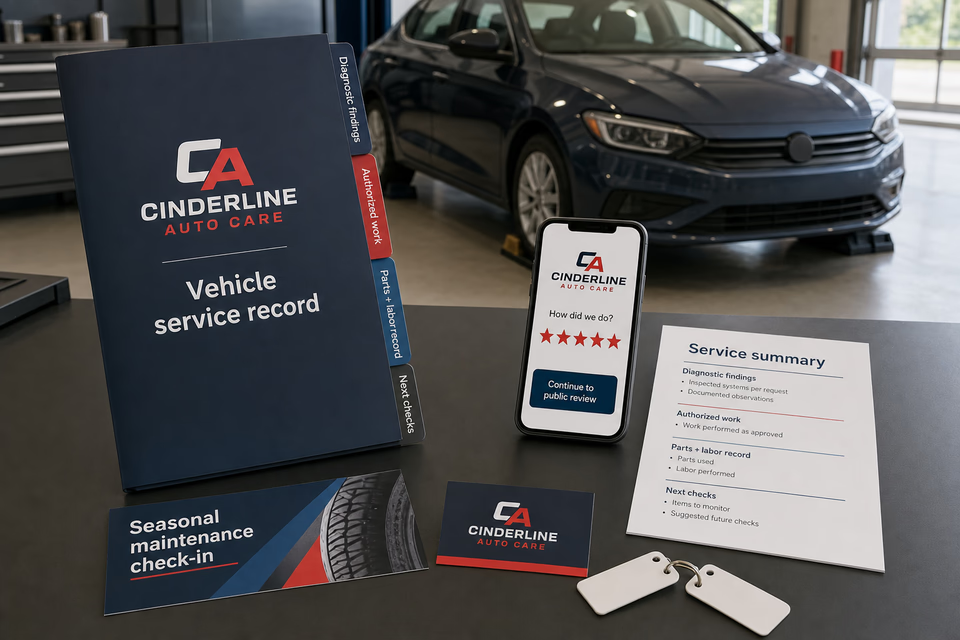
A practical handoff can organize diagnostic findings, authorized work, parts and labor records, test observations, declined or deferred items, next checks, customer feedback, and restrained maintenance reminders. It should document the visit without certifying a permanent fix, guaranteed future performance, universal safety, roadworthiness, or a passed regulatory inspection.
The auto repair system
Three parts. One customer journey.
Each part is built around passenger-vehicle diagnostics, warning-light and drivability concerns, brake service, steering and suspension work, electrical and battery diagnosis, cooling and climate-system service, preventive maintenance, authorized repairs, and documented shop visits, and every service below links to the full explanation of what it does.
01
Get found for the symptom or vehicle system customers are searching for
Give diagnostics, brakes, steering, electrical, cooling, climate control, maintenance, and genuine specialty work distinct room to explain themselves.
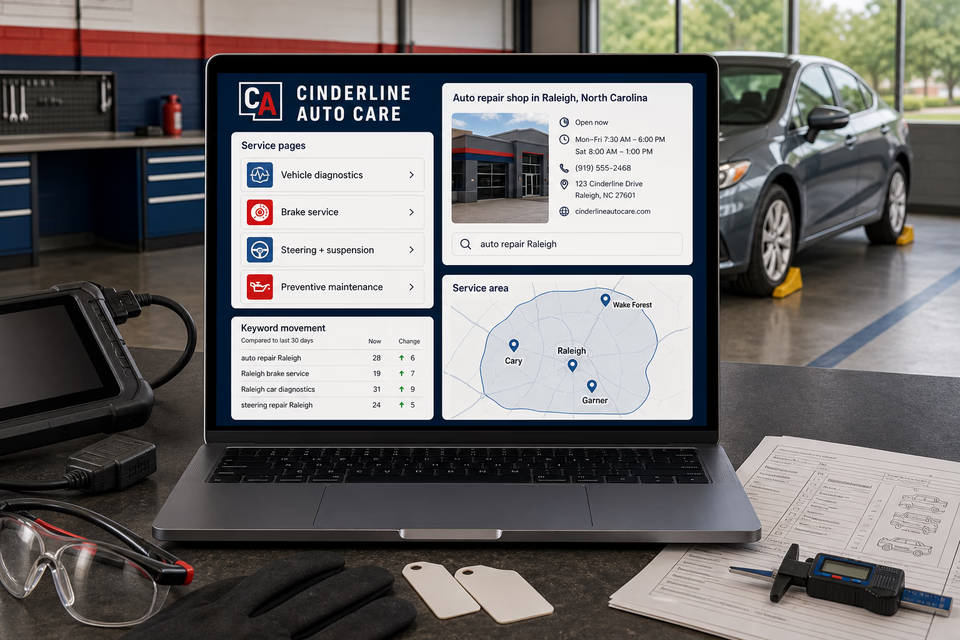
Build focused pages around the services the shop actually performs, the symptoms customers can describe, the diagnostic and authorization process, and the communities covered. Keep local profiles and search work accurate without ranking, response-time, fixed-price, repair-time, warranty, safety, certification, or outcome claims.
Keep symptoms, vehicle details, and authorization limits together
Hold onto warning indicators, driving context, recent work, photos, tow-in needs, and the diagnostic-visit window.
A call, form, or message can become one owned conversation. Vehicle details, mileage, symptoms, when they occur, recent service, drivability concerns, useful photos, authorization limits, reply, assignment, and appointment schedule stay together for the service advisor and technician.
Close out with useful diagnostic and authorized-work records
Make findings, completed work, deferred items, and next checks easier to review and reference.
Provide an organized vehicle service record with diagnostic findings, authorized work, parts and labor entries, observed conditions, declined or deferred items, next checks, and customer feedback. Send restrained maintenance check-ins without promising that a prior repair prevents future faults or guarantees vehicle performance.
Pages built around symptoms, systems, and diagnostic paths
One “services” page is not enough.
Diagnostics, brakes, steering and suspension, starting and charging, cooling, climate control, maintenance, engine performance, transmission-related concerns, exhaust, and pre-purchase evaluations require different symptom details, test plans, tools, parts, and authorization steps. Give each service the shop genuinely performs a focused diagnostic-visit path while keeping mobile mechanics, tire-specialist work, towing, detailing, diesel and heavy fleet service, and other distinct business models on their own profession routes.
Exhaust + emissions-related diagnostics—without implying official inspection authority
Pre-purchase vehicle evaluations—observations, not a future-condition guarantee
Hybrid-vehicle service—only when the shop is trained and equipped for the supported scope
Service-area pages for the communities you really cover
From search to the next job
The handoffs are the whole point.
The website should not end at a form, and a completed job should not end at an invoice. Each useful step gives the next person context.
01
They find the right service
A useful page or local listing matches the problem and gives the customer one obvious way to act.
02
The request stays alive
The call, form, or message lands in the same customer record with the service, location, and conversation attached.
03
A person owns the next step
The owner or office can reply, call, qualify, assign, and schedule with the history already in front of them.
04
The finished job keeps working
Feedback, reviews, print, referrals, and useful customer follow-up help one completed job create the next opportunity.
Auto repair questions, straight answers
Clear findings. Explicit authorization. No guaranteed fix, fixed price, timing, or roadworthiness claims.
01Is this just an auto repair shop website package?
No. The website is the front door. The complete setup can connect calls, texts, forms, vehicle and symptom details, photos, the shared inbox, diagnostic visits, estimates, authorizations, repair orders, parts updates, pickup messages, service records, reviews, local search, print, and branding around the way the shop actually moves a customer from concern to documented next step.
02Can the website diagnose a vehicle from a warning code, photo, or symptom and guarantee the repair?
No. A code or symptom can narrow the starting point, but related systems, intermittent conditions, prior work, wear, multiple faults, test results, access, and what the technician finds can change the diagnosis and repair plan. The site should collect useful information and explain the testing process rather than promise a root cause or guaranteed fix before evaluation.
03Can the page promise a fixed price, exact completion time, passed inspection, or that the vehicle is safe to drive?
No. Price and timing can depend on diagnostic findings, scope, parts, approvals, availability, added conditions, and shop capacity. Safety, roadworthiness, and official inspection claims depend on the actual evaluation and any applicable authorized inspection process. Marketing copy and routine service records should not substitute for those decisions.
04Should mobile mechanics, tire service, towing, detailing, and diesel or fleet service share this auto-repair destination?
No. This route is for shop-based passenger-vehicle diagnostics, maintenance, and authorized repairs. Mobile field service, tire-specialist operations, towing and recovery, appearance-focused detailing, and diesel or fleet programs have different buyers, equipment, intake, dispatch, safety, and proof systems and should keep their own profession pages.
Want to see the complete setup for your auto repair shop?
Bring the old site. Or the lack of one.
We will show you how the website, calls, messages, local search, reviews, and follow-up can work as one practical customer system.