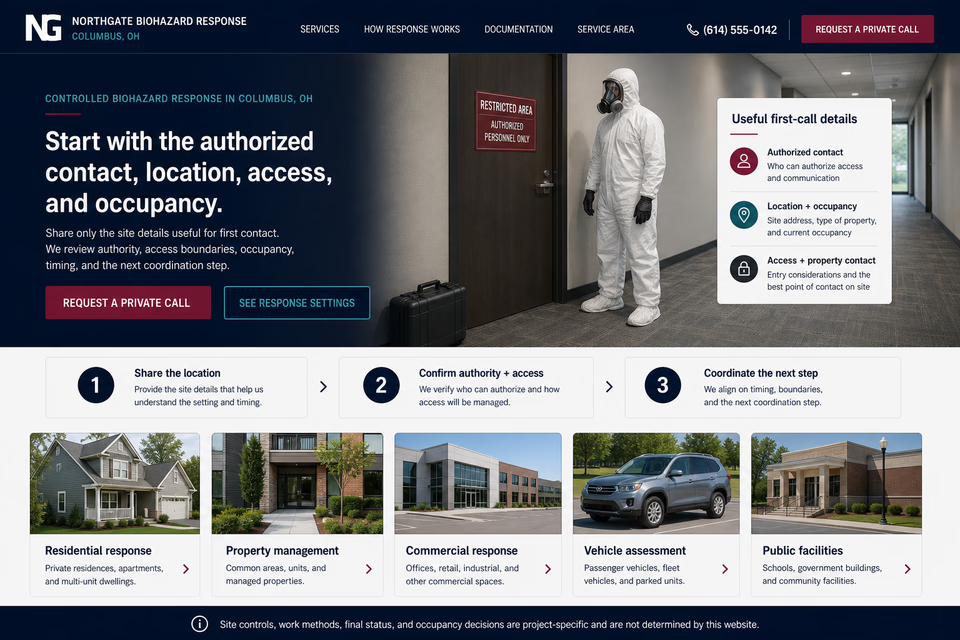
The complete customer system for biohazard cleanup companies
Receive the request discreetly. Control access. Keep every site note and decision attached.
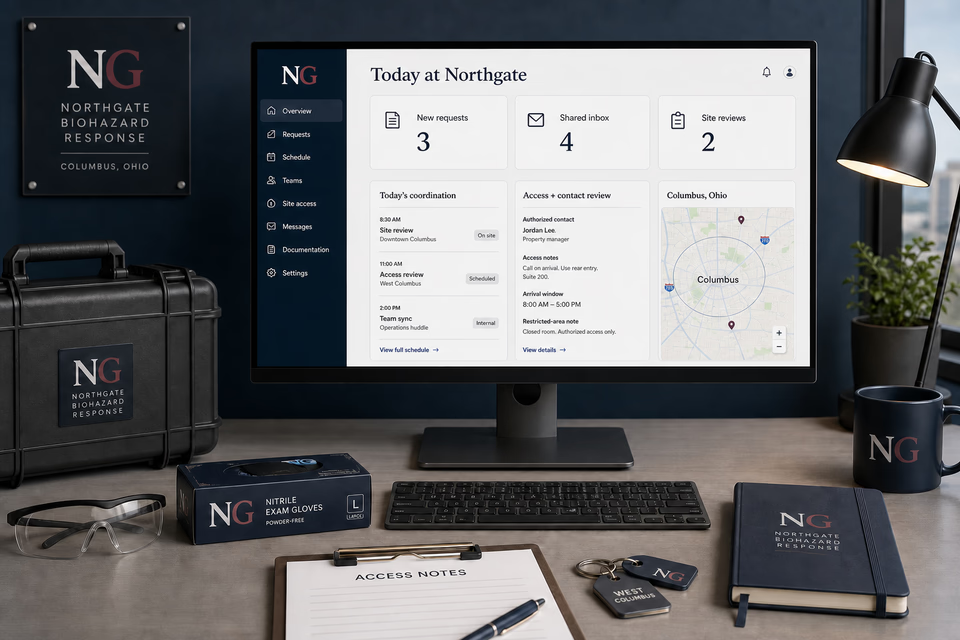
Biohazard cleanup requests can be sensitive, urgent, and incomplete. We connect the website, calls, messages, local search, documentation, reviews, and follow-up so reported site conditions, authorized contacts, access boundaries, occupancy, arrival coordination, company decisions, progress updates, and closeout records stay together without turning an inquiry into a method, disposal, compliance, clearance, or safe-to-occupy claim.
Northgate Biohazard ResponseWebsite, response, search, reviews, and follow-up
What the complete setup should do
Be useful before, during, and after the service call.
A private residence, rental property, commercial building, vehicle, or public facility can involve different authorized contacts, privacy needs, access controls, occupied areas, building rules, response timing, and documentation. The system should improve the first conversation while leaving site controls, protective measures, work methods, material handling, disposal, final status, and re-entry decisions to the company and other responsible parties for that specific project.
01
Confirm who can authorize access and service
Ask for the caller's relationship to the property, the authorized contact, site address, affected area as generally reported, whether the property and adjacent spaces are occupied, existing access restrictions, building or property contacts, privacy preferences, and the best way to coordinate arrival.
02
Keep the intake discreet and non-graphic
Use concise categories, neutral site notes, secure attachments when the company requests them, and role-based access. The public path should not require disturbing descriptions, expose private details, or prescribe protective measures, work methods, material handling, or disposal.
03
Attach access boundaries and decisions to the project
Authorized contacts, arrival instructions, property access, restricted-area notes, occupancy updates, site observations, company decisions, customer approvals, progress messages, third-party coordination, and closeout records should stay with one controlled project record.
04
Close out with documentation, not a clearance promise
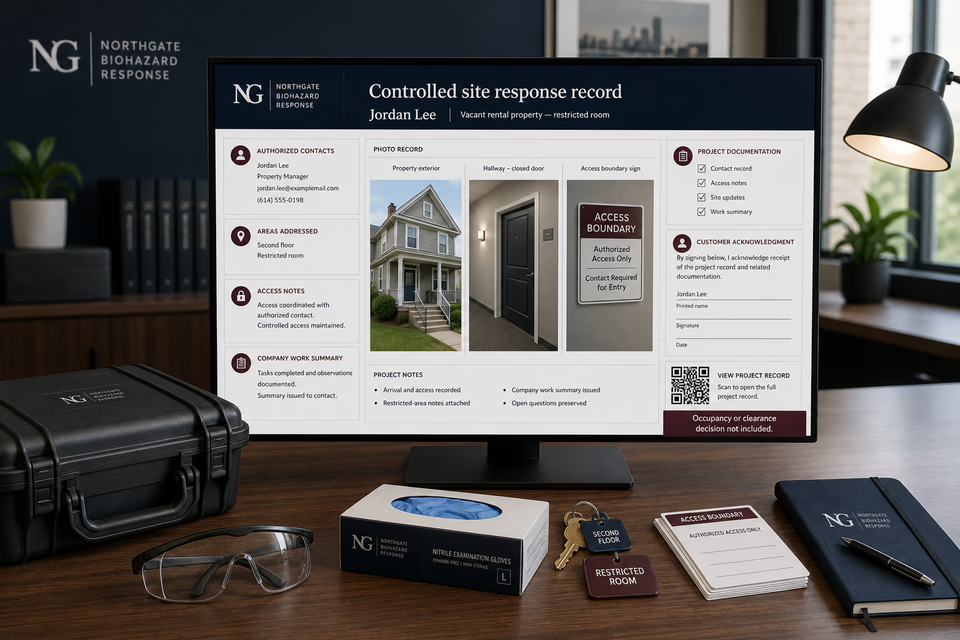
A useful closeout can record the areas addressed, access controls observed, company-provided work summary, project photos when appropriate, open questions, customer acknowledgments, and next-party responsibilities without declaring regulatory compliance, complete hazard removal, clearance, or safe occupancy.
The biohazard cleanup system
Three parts. One customer journey.
Each part is built around controlled residential, commercial, property-management, vehicle, and public-facility biohazard response, and every service below links to the full explanation of what it does.
01
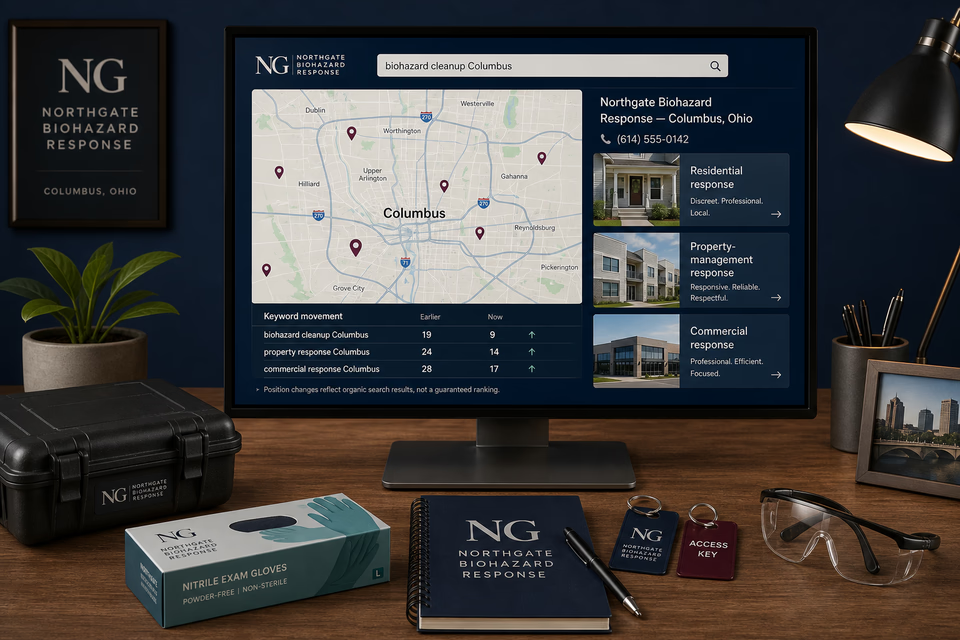
Make discreet help findable without sensational imagery
Give residential, commercial, property, vehicle, and public-facility requests a clear contact path.
Build focused pages around the service settings the company genuinely supports, the information useful for first contact, privacy-minded communication, access coordination, and documented next steps. Use restrained local proof and neutral site imagery rather than graphic scenes, procedural claims, certification seals, or guaranteed outcomes.
Keep authority, site, occupancy, access, privacy, and arrival details together.
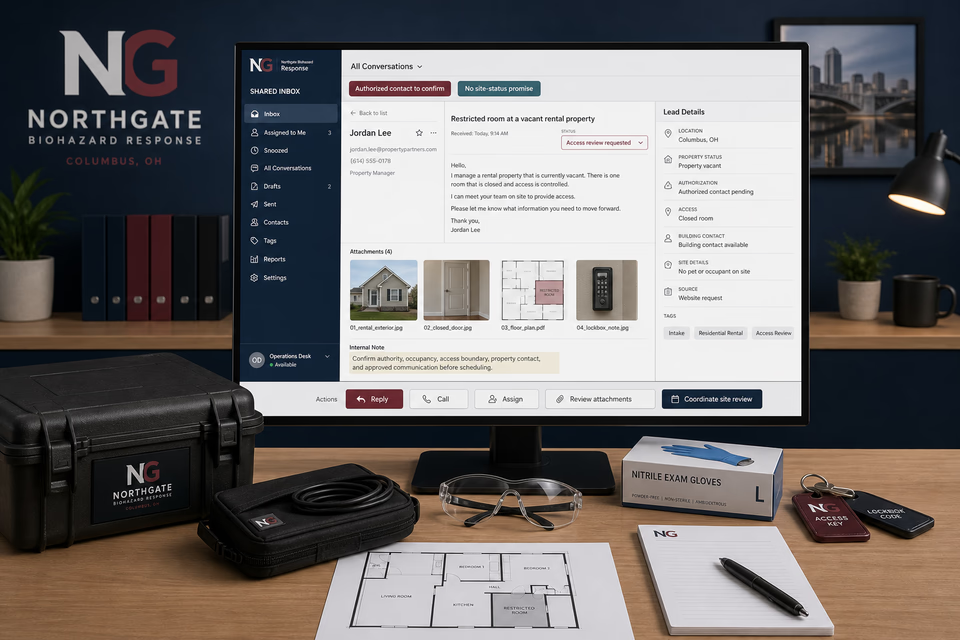
A missed call can become a discreet structured conversation. The authorized contact, location, generally reported area, occupancy, access restrictions, property contacts, timing, and secure attachments requested by the company stay together so the team can decide the next action without offering public handling instructions or declaring a site status remotely.
Package the service summary, access notes, updates, acknowledgments, and open responsibilities.
Share a concise closeout record, organize approved documentation by area and date, record remaining questions and responsible parties, gather private feedback, and keep a restrained path open for future property-response planning when the customer has agreed to hear from the company.
Pages built around controlled access and documented response
One “services” page is not enough.
Residential, commercial, property-management, vehicle, public-facility, and after-hours response pages need distinct contact, authority, access, privacy, timing, and documentation paths. Focused pages help people reach the company without publishing handling instructions, implying certifications, displaying disturbing scenes, or promising clearance, complete removal, regulatory compliance, or safe occupancy.
Residential biohazard response
Commercial biohazard response
Rental-property response
Property-management response
Vehicle biohazard assessment
Public-facility response
Hospitality-property response
Vacant-property response
After-hours response requests
Multi-site property response planning
Service-area pages for the communities you really cover
From search to the next job
The handoffs are the whole point.
The website should not end at a form, and a completed job should not end at an invoice. Each useful step gives the next person context.
01
They find the right service
A useful page or local listing matches the problem and gives the customer one obvious way to act.
02
The request stays alive
The call, form, or message lands in the same customer record with the service, location, and conversation attached.
03
A person owns the next step
The owner or office can reply, call, qualify, assign, and schedule with the history already in front of them.
04
The finished job keeps working
Feedback, reviews, print, referrals, and useful customer follow-up help one completed job create the next opportunity.
Biohazard cleanup questions, handled carefully
Start with authority, location, access, and occupancy—not assumptions about the site.
01What information should someone share on the first call?
Start with the caller's relationship to the property, authorized contact, location, generally reported area, whether the property and nearby spaces are occupied, access restrictions, building or property contacts, privacy preferences, and timing. The company can decide what additional information is appropriate after reviewing the request.
02Should the website explain protective equipment, cleanup methods, or disposal steps?
No. Public marketing should make contact and coordination easier without teaching site entry, protective measures, work methods, material handling, transport, or disposal. Those decisions belong to the company and other responsible parties for the specific project and circumstances.
03Can the company promise clearance or that a property is safe to occupy?
No. A marketing page or preliminary conversation should not declare clearance, complete hazard removal, regulatory compliance, or safe occupancy. Document what the company reports it addressed, preserve open questions and responsible-party decisions, and avoid substituting a website statement for project-specific determinations.
04How can the company handle a sensitive request without exposing private details?
Use neutral intake categories, collect only information useful to the response, limit access to the project record, keep approved attachments and messages together, and confirm how the authorized contact wants updates delivered. Avoid graphic public examples, sensational copy, and unnecessary personal information.
Want to see the complete setup for your biohazard cleanup company?
Bring the old site. Or the lack of one.
We will show you how the website, calls, messages, local search, reviews, and follow-up can work as one practical customer system.