Start with the room and storage goal
A useful inquiry identifies the room, property type, existing layout, storage priorities, and any photos or customer-supplied measurements before the first design conversation.

The complete customer system for cabinet makers
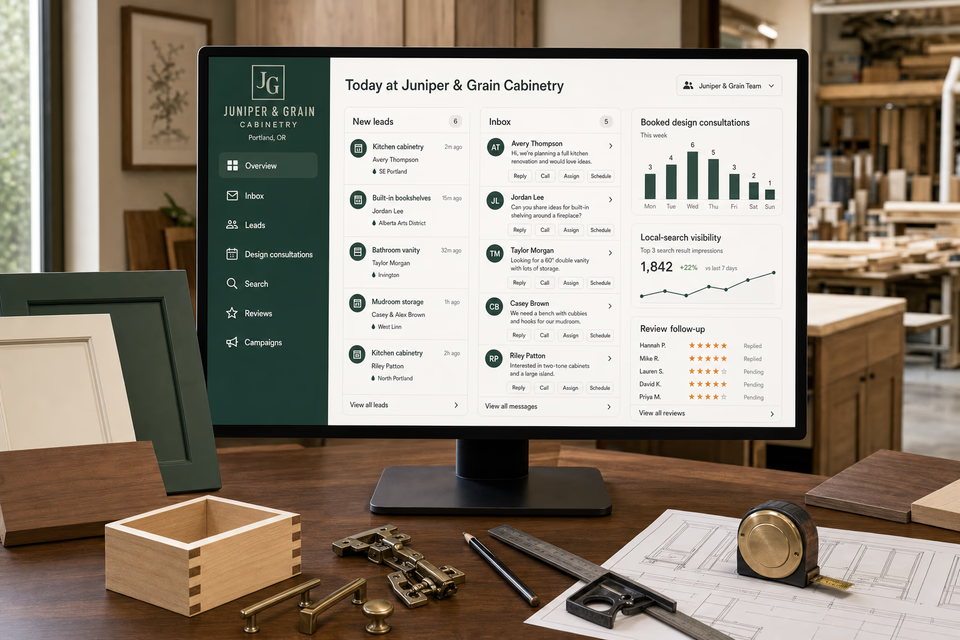
Cabinet projects begin with room dimensions, appliance openings, storage goals, and a long chain of door, finish, hardware, drawing, fabrication, and installation decisions. We connect the website, calls, messages, local search, reviews, and follow-up so every inquiry arrives with useful context and every approval stays attached to the project.
What the complete setup should do
A kitchen, vanity, built-in, or mudroom inquiry should move from initial measurements and photos through a design consultation, documented selections, drawing approval, fabrication updates, installation coordination, and a useful project record without losing the details that shaped the work.
A useful inquiry identifies the room, property type, existing layout, storage priorities, and any photos or customer-supplied measurements before the first design conversation.
Appliance widths, doorways, windows, utilities, and other fixed conditions affect the questions a cabinet maker asks. Keeping those details together helps the team prepare without treating preliminary dimensions as final field verification.
Door style, wood or paint finish, hardware, storage accessories, drawings, revisions, and approvals should remain in one project history from design through fabrication and installation coordination.
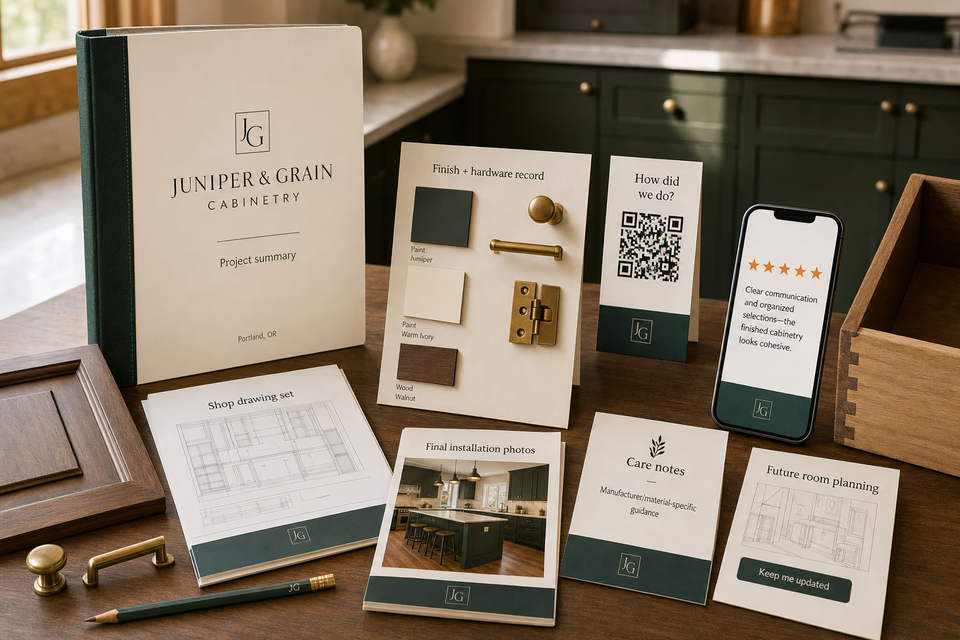
A coordinated handoff can preserve the approved finish and hardware, shop drawing set, final installation photos, material-specific care guidance, and feedback request for the finished room.
The cabinet maker system
Each part is built around custom cabinetry, built-ins, vanities, storage, and cabinet updates, and every service below links to the full explanation of what it does.
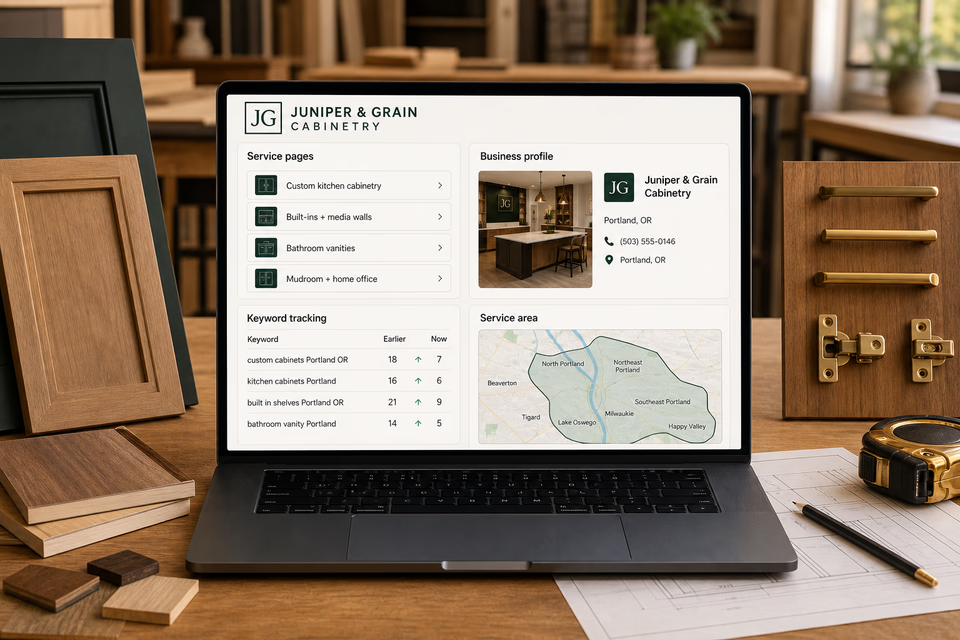
Get found for the room they want to improve
Build useful pages around the cabinetry you genuinely offer, the rooms you serve, your design process, and completed work. Connect local search and campaigns to the relevant page instead of one generic woodworking claim.
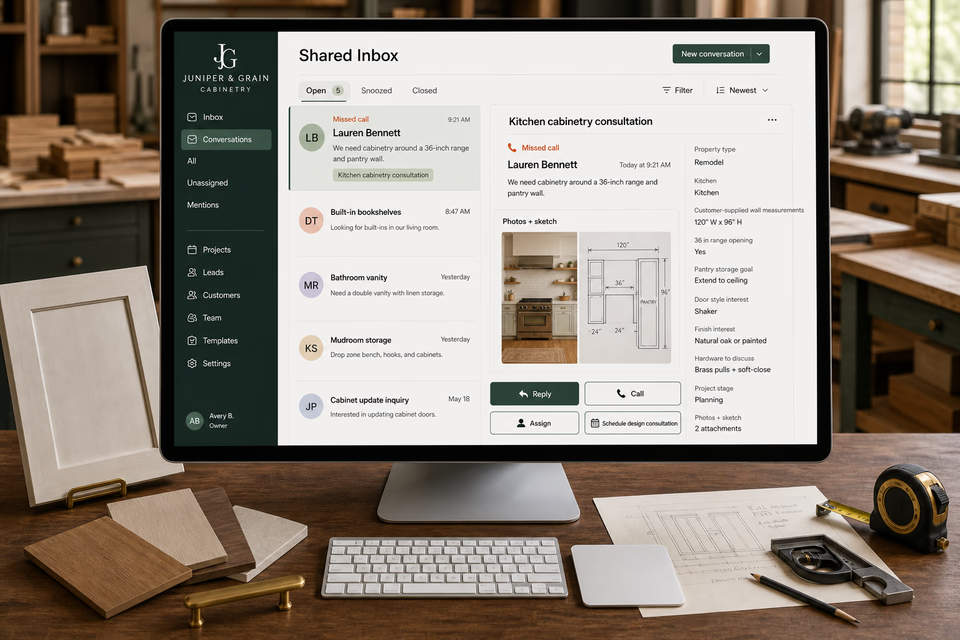
Turn a missed call into a prepared design conversation
A missed call can become a normal text conversation. The room, remodel status, customer-supplied dimensions, appliance openings, door and finish interests, photos, and sketch stay attached so the office can schedule a better-informed design consultation.
Finish with the selections customers may need later
Share the project summary, finish and hardware record, drawing set, final photos, and manufacturer- or material-specific care guidance. Then collect feedback and offer future-room planning to customers who choose to hear from you.
Every part of the offer
These are the complete Worker Websites services that can support a cabinet maker. Open any service for the deeper explanation.
Explain custom cabinetry, built-ins, vanities, storage, and cabinet updates, show the real service area, and make the next step easy on a phone.
See the service 02Acknowledge an allowed missed call while the customer is still deciding who to contact.
See the service 03Keep calls, texts, forms, email, chat, and social messages in one active customer conversation.
See the service 04Give the team one work number for calls, texts, and job photos without sharing a personal cell.
See the service 05Follow up on design-consultation requests, unanswered measurement questions, open drawing approvals, pending finish and hardware selections, and installation coordination without losing the human handoff.
See the service 06Survey the customer first, then make the public review path easy when they are fully satisfied.
See the service 07Send future-room planning, practical material-specific care reminders, project-photo requests, and referral check-ins to past customers who agreed to hear from you.
See the service 08Improve the pages people find and keep the local listing complete, accurate, and tied to the right services.
See the service 09Track the searches that matter and keep improving useful cabinet maker service and location content.
See the service 10Put paid search behind specific custom cabinetry, built-ins, vanities, storage, and cabinet updates, locations, landing pages, and clear tracking.
See the service 11Use project folders, finish and hardware records, shop drawing sets, material-specific care cards, QR feedback pieces, and design-consultation leave-behinds and other practical pieces before and after the job.
See the service 12Make the website, showroom, install vehicles, sample boards, drawing sets, project folders, crew apparel, and customer messages look like the same cabinet maker.
See the servicePages built around real cabinetry decisions
Kitchen cabinetry, vanities, built-ins, mudrooms, home offices, refacing, and installation solve different room and storage problems. Focused pages help customers recognize the right service, understand what to prepare, and request a productive design conversation.
From search to the next job
The website should not end at a form, and a completed job should not end at an invoice. Each useful step gives the next person context.
A useful page or local listing matches the problem and gives the customer one obvious way to act.
The call, form, or message lands in the same customer record with the service, location, and conversation attached.
The owner or office can reply, call, qualify, assign, and schedule with the history already in front of them.
Feedback, reviews, print, referrals, and useful customer follow-up help one completed job create the next opportunity.
Cabinet maker questions, straight answers
A cabinet maker page should center the room, storage plan, openings, door and finish choices, hardware, drawings, fabrication handoff, and installation coordination. A general remodeling page covers a wider project scope, while a carpenter page may emphasize framing, trim, repair, or site-built work.
Ask for the room, project stage, existing-layout photos, storage priorities, appliance or fixture openings, style references, and any customer-supplied measurements. Explain that final dimensions and feasibility still require the cabinet maker's own process.
No. The site can explain how field measurements, samples, drawings, approvals, fabrication updates, and installation coordination work, but final outcomes depend on verified site conditions, selected materials, supplier information, and the actual project scope.
Only for work and selections the shop genuinely offers. A focused page should answer a distinct customer question, show relevant project proof, and lead to a useful consultation instead of repeating the same generic copy across a large directory.
Want to see the complete setup for your cabinet maker?
We will show you how the website, calls, messages, local search, reviews, and follow-up can work as one practical customer system.
Book the 20-minute demo