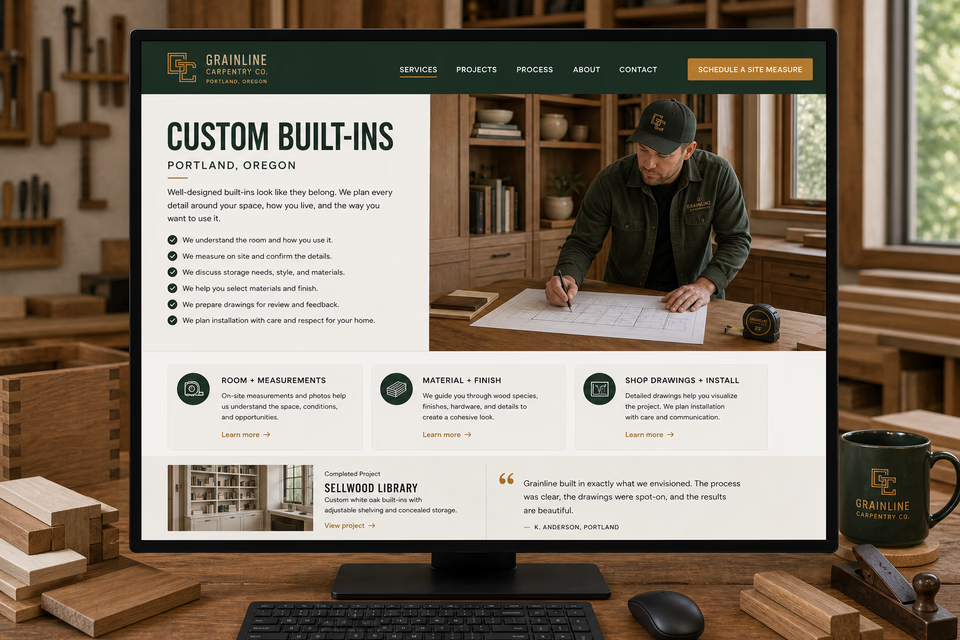
The complete customer system for carpentry contractors
Show the space. Measure the details. Keep every decision attached.
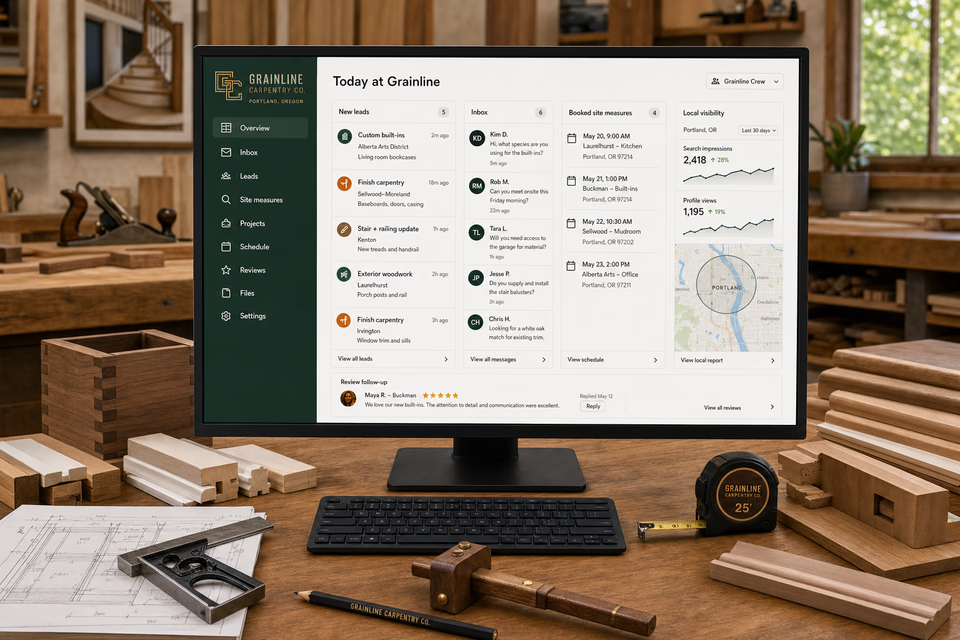
Carpentry customers arrive with a room, a sketch, inspiration photos, material questions, and work that depends on real dimensions and site conditions. We connect the website, calls, messages, local search, reviews, and follow-up so photos, site measures, drawings, finish decisions, estimates, project updates, and closeout stay together.
Grainline Carpentry Co.Website, response, search, reviews, and follow-up
What the complete setup should do
Be useful before, during, and after the service call.
Custom built-ins, finish carpentry, stairs, railings, trim, repairs, and exterior woodwork may share tools, but they do not share one generic scope. The system should help customers identify the space and desired result while leaving dimensions, structural questions, fastening, code, and material suitability to the qualified people reviewing the real project.
01
Start with the room and intended use
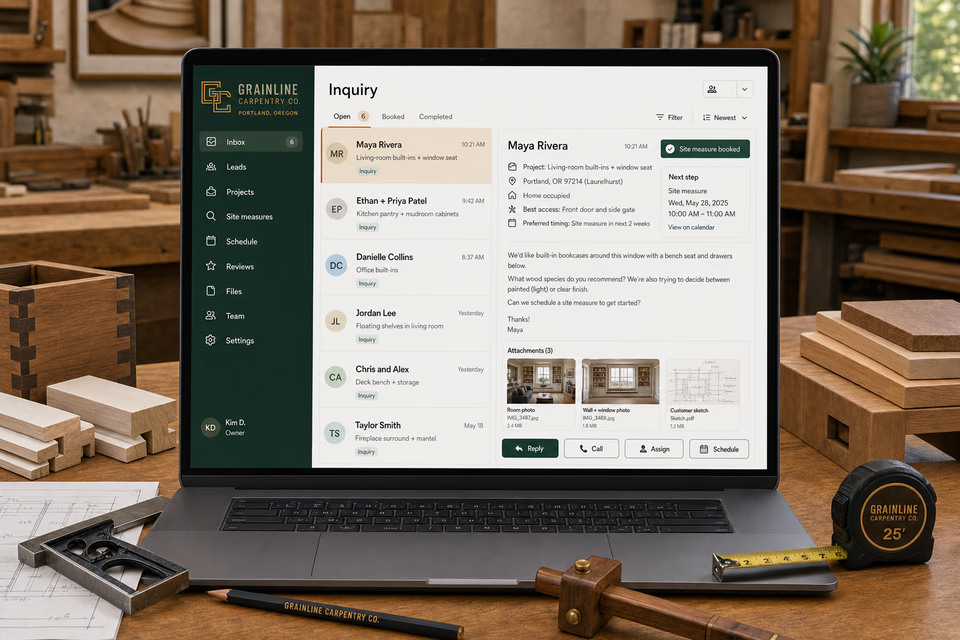
Ask which space or feature is involved, how the customer wants to use it, what photos or sketches exist, preferred materials or finish, access, timing, and whether the home is occupied before scheduling a site measure.
02
Separate the actual carpentry scopes
Built-ins, finish trim, stairs, railings, doors, exterior woodwork, repairs, and structural framing questions need different proof, measurements, drawings, partners, and estimating steps.
03
Keep measures, drawings, and selections attached
Room photos, field dimensions, existing-condition notes, elevations, material samples, finish decisions, estimates, revisions, install notes, and customer messages should stay with one project record.
04
Turn finished details into useful proof
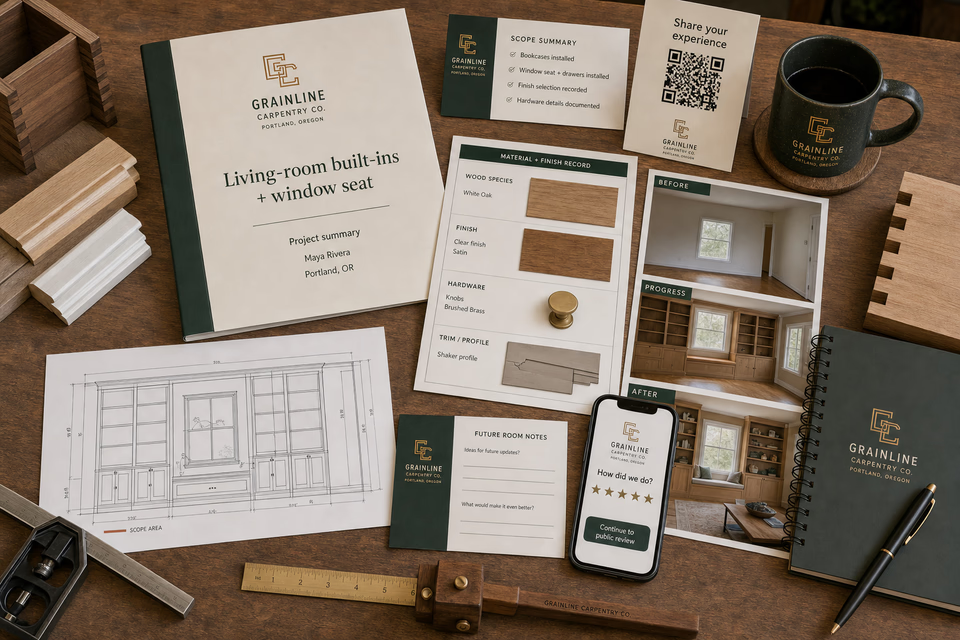
A strong closeout can organize the agreed scope, shop drawing, wood and finish record, hardware details, before, progress, and after photos, feedback, and later-room ideas without claiming hidden strength or guaranteed durability.
The carpentry system
Three parts. One customer journey.
Each part is built around custom built-ins, finish carpentry, stairs and railings, trim, exterior woodwork, and site-built details, and every service below links to the full explanation of what it does.
01
Get found for the detail people are trying to build
Give built-ins, finish carpentry, stairs, railings, trim, and exterior work distinct proof.
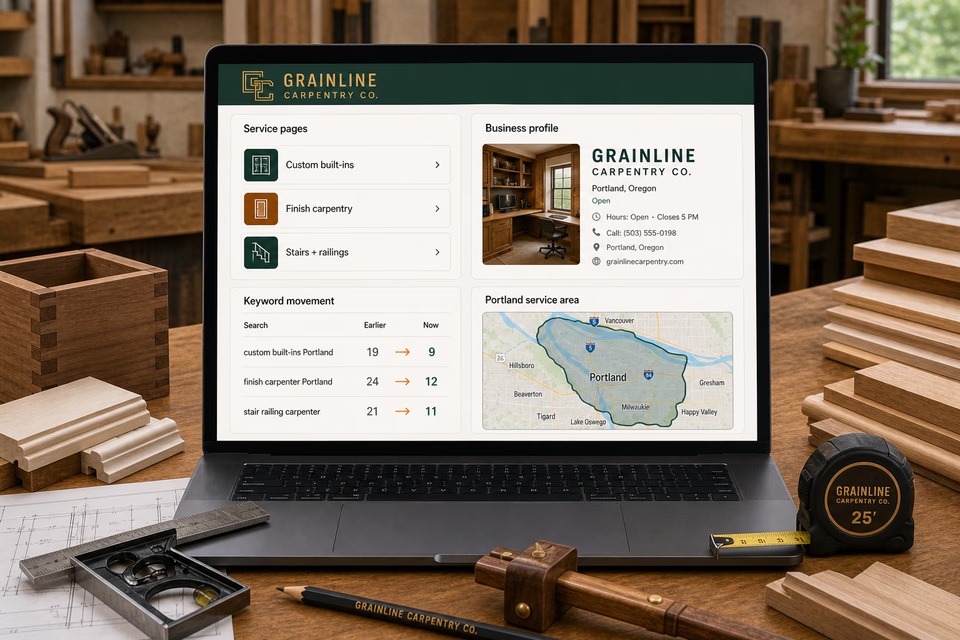
Build focused pages around the real carpentry services, room types, materials, measuring process, completed details, and communities the company genuinely serves. Aim local search and ads at those specific offers instead of one anonymous woodwork gallery.
Keep the room, photos, sketch, intended use, material questions, and access together.
A missed call can become a structured conversation. The project area, visible conditions, customer goals, attachments, occupancy, access, timing, and early questions stay together so the team can schedule a better-informed site measure without quoting or promising fit remotely.
Package the drawing, selections, project photos, feedback, and future-room notes.
Share a concise project summary, organize materials and visible progress, ask how the experience went, make a public review easy, and keep a restrained path open for a later built-in, room, or repair when the customer has agreed to hear from you.
Built-ins, finish work, trim, stairs and railings, doors, exterior carpentry, and custom details need different measurements, material proof, drawings, and site expectations. Focused pages help customers request the right next step without promising fit, price, schedule, or performance before the work is reviewed.
Custom built-ins
Finish carpentry
Interior trim + moulding
Stairs + railings
Custom shelving + storage
Window seats + benches
Door installation + trim
Fireplace mantels + surrounds
Exterior carpentry
Carpentry repairs
Service-area pages for the communities you really cover
From search to the next job
The handoffs are the whole point.
The website should not end at a form, and a completed job should not end at an invoice. Each useful step gives the next person context.
01
They find the right service
A useful page or local listing matches the problem and gives the customer one obvious way to act.
02
The request stays alive
The call, form, or message lands in the same customer record with the service, location, and conversation attached.
03
A person owns the next step
The owner or office can reply, call, qualify, assign, and schedule with the history already in front of them.
04
The finished job keeps working
Feedback, reviews, print, referrals, and useful customer follow-up help one completed job create the next opportunity.
Carpentry contractor questions, straight answers
Show the room. Measure on site. Skip the structural guesswork.
01Can a carpenter quote custom work from customer photos?
Photos and sketches can clarify the room, visible condition, style, and intended use, but they do not establish field dimensions, wall conditions, material quantities, joinery, fastening, or the complete install scope. Use them to improve the site measure, not promise a final price or fit.
02Should carpenters and cabinet makers share one profession page?
Not automatically. Site-built trim, stairs, railings, and general finish carpentry can have a different process from shop-built cabinetry and casework. A company that genuinely offers both can connect the services while keeping each scope and proof set clear.
03Can the site say a stair, railing, or built-in is structurally approved?
Only when that conclusion is supported by the real design, measurements, materials, fastening, code requirements, and qualified project team. General marketing copy should not turn photos or a finished appearance into an unsupported structural or compliance claim.
04What carpentry project photos are most useful?
Use wide room context, close joint and profile details, material and finish records, measured drawings, progress steps, protection and installation context, and consistent before-and-after angles. Label the scope so the gallery shows more than attractive wood.
Want to see the complete setup for your carpentry contractor?
Bring the old site. Or the lack of one.
We will show you how the website, calls, messages, local search, reviews, and follow-up can work as one practical customer system.