The complete customer system for commercial janitorial companies
Map the facility. Plan the frequency. Keep every access note, task, and service record connected.
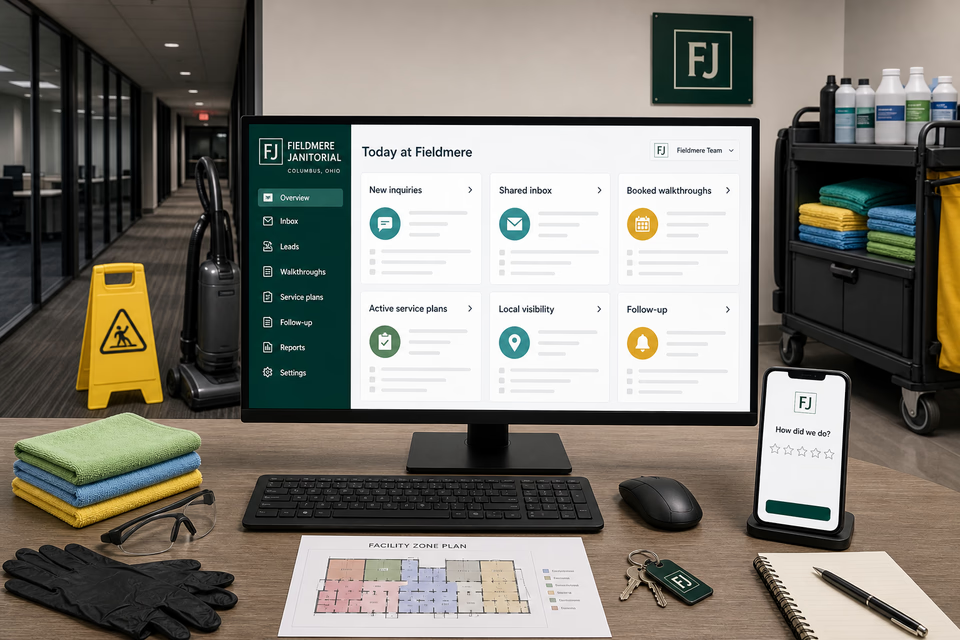
Commercial janitorial work moves from facility use and occupancy into service areas, surfaces, requested tasks, visit frequencies, access windows, keys or badges, supply responsibilities, site controls, quality notes, issue follow-up, and service records. We connect the website, calls, messages, walkthroughs, proposals, service plans, reviews, and retention so property contacts, account managers, and field teams keep the same operating picture without turning preliminary information into a price, staffing, chemical-safety, sanitation, compliance, or outcome promise.
Fieldmere JanitorialWebsite, response, search, reviews, and follow-up
What the complete setup should do
Be useful before, during, and after the service call.
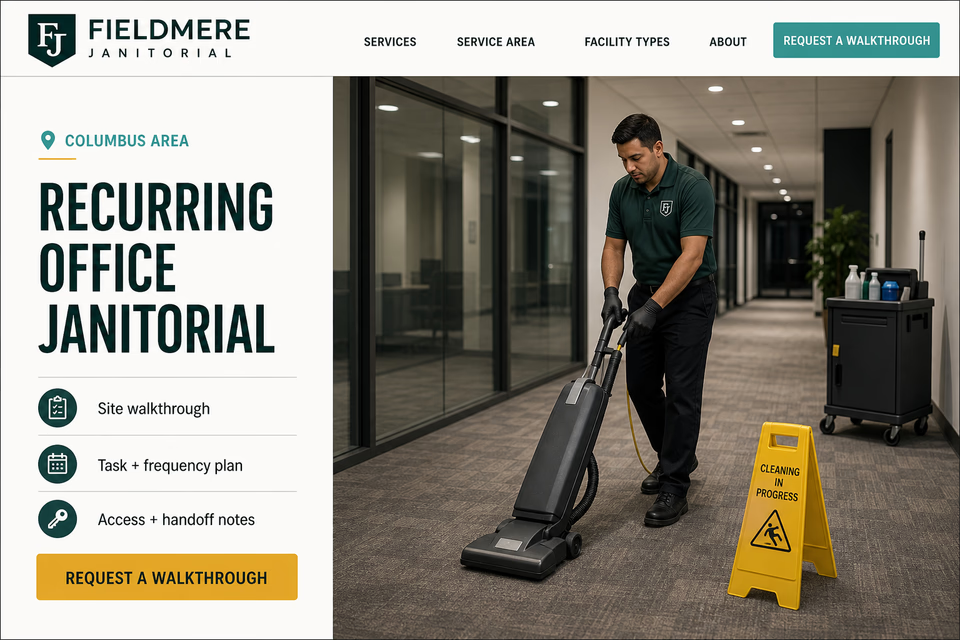
A recurring office plan, daytime porter assignment, restroom program, floor-care visit, retail site, and warehouse administrative area need different tasks, frequencies, access arrangements, equipment, and handoffs. The customer system should organize facility size and use, occupied hours, surface types, requested areas, supply expectations, security procedures, issue history, and walkthrough timing before the company confirms scope, products, staffing, schedule, price, or results.
01
Start with the facility, occupancy, and surfaces
The request path should collect the property type, approximate square footage, occupied hours, service areas, floor and surface types, restroom and breakroom counts, photos where appropriate, current concerns, and a facility contact before a walkthrough is scheduled.
02
Turn expectations into a task-and-frequency plan
Daily, weekly, periodic, daytime, and after-hours work should be attached to specific areas and tasks. High-touch points, restocking responsibilities, floor-care cycles, exclusions, event needs, seasonal changes, and approval steps belong in the plan rather than in a vague promise that the whole property will always be clean.
03
Keep access, security, supplies, and site controls attached
Keys, badges, alarms, check-in steps, locked areas, occupied zones, delivery points, supply storage, customer-provided items, equipment limits, caution-sign placement, incident contacts, and schedule changes should stay with the same account and visit. Public copy should not publish chemical instructions or imply universal product, security, safety, or compliance guarantees.
04
Close out with useful service and issue records
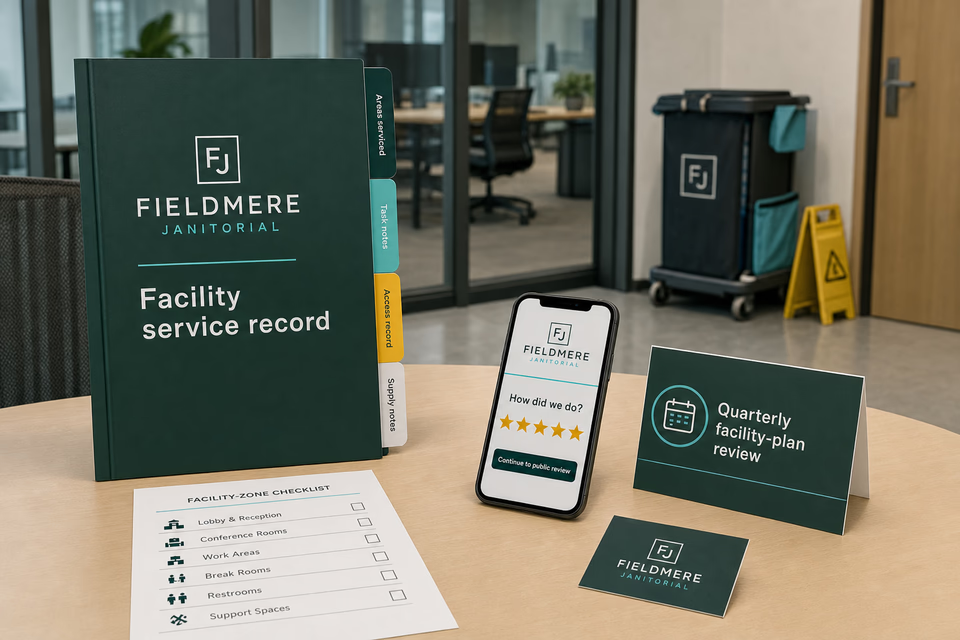
A practical handoff can organize areas serviced, task notes, access records, supply notes, photos when appropriate, reported exceptions, issue ownership, customer feedback, and a restrained facility-plan review without certifying sanitation, pathogen removal, regulatory compliance, or a guaranteed cleaning result.
The commercial janitorial system
Three parts. One customer journey.
Each part is built around recurring office janitorial service, day porter support, restroom and breakroom care, floor and carpet care, lobby and common-area cleaning, supply restocking, and documented commercial facility service, and every service below links to the full explanation of what it does.
01
Get found for the facility and service plan buyers actually need
Give offices, day porter work, restrooms, floors, retail sites, and recurring facility plans distinct room to explain themselves.
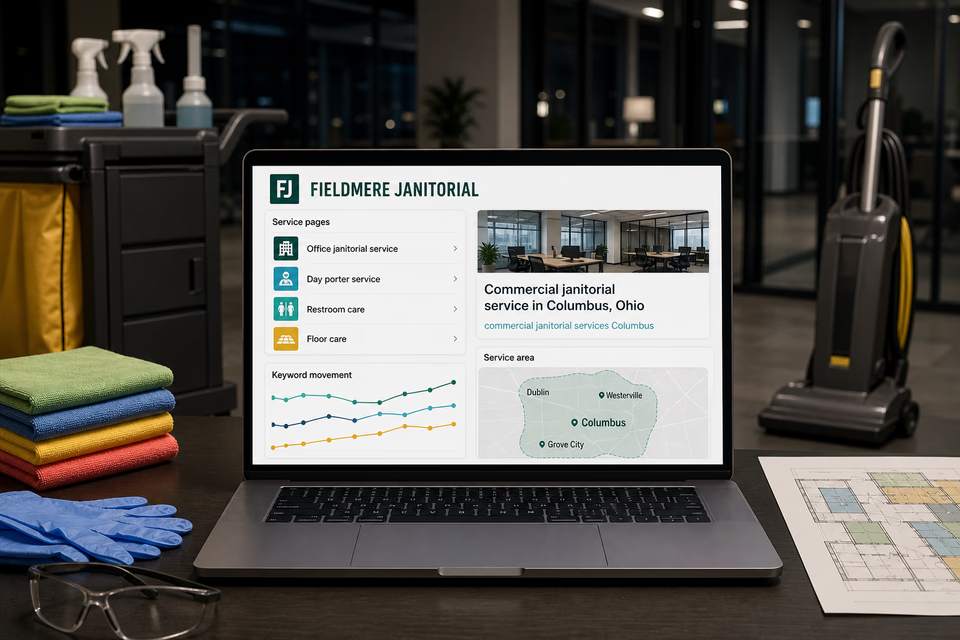
Build focused pages around the janitorial services and property types the company genuinely supports, the walkthrough and task-planning process, and the communities actually covered. Keep local profiles and search work accurate without ranking, response-time, price, staffing, chemical-safety, sanitation, compliance, or result claims.
Keep the facility, access, and task story together
Hold onto square footage, occupied hours, surfaces, service areas, restocking needs, security steps, and the walkthrough window.
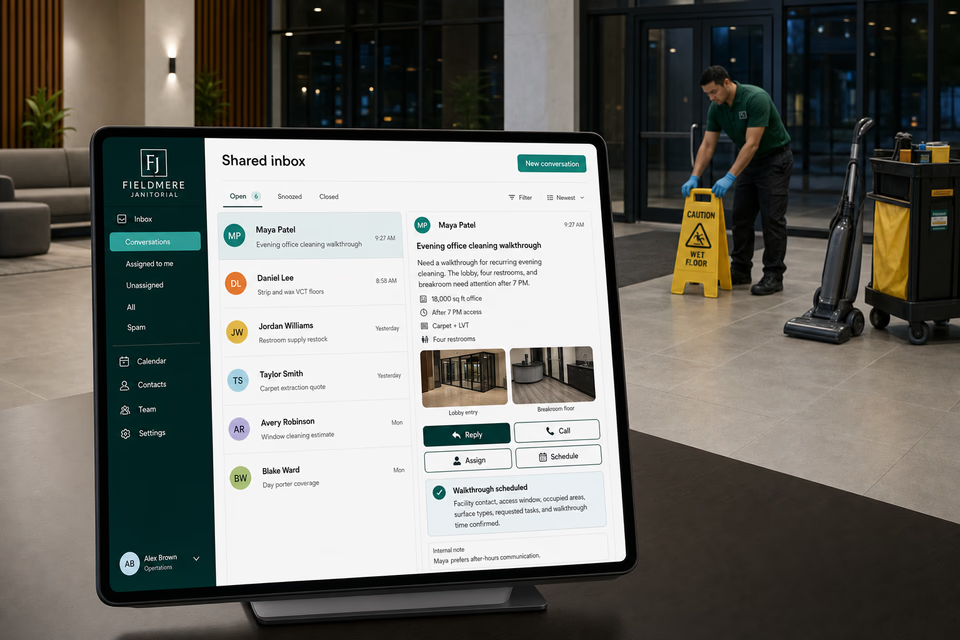
A form, call, or message can become one owned conversation. Facility use, approximate size, requested areas, floor types, access hours, restroom counts, supply responsibilities, keys or badges, photos, reply, assignment, and walkthrough schedule stay together for the account manager and field team.
Make completed visits, reported exceptions, and plan changes easier to confirm and revisit.
Provide an organized service record with areas serviced, task notes, access records, supply notes, reported issues, customer feedback, and accountable follow-up. Send restrained quarterly plan reviews when appropriate without claiming guaranteed cleanliness, disinfection, pathogen removal, compliance, staffing, or future outcomes.
Pages built around real facilities, tasks, and frequencies
One “services” page is not enough.
Office janitorial service, day porter support, restrooms, breakrooms, common areas, hard floors, carpet, retail sites, and property-specific service plans require different facility facts, task lists, visit frequencies, access controls, equipment, and quality checks. Give each service and facility type the company genuinely supports a focused walkthrough path, while keeping biohazard, trauma, mold, medical waste, hazardous materials, and other regulated or specialty remediation separate unless the company is actually trained, equipped, and contracted for that work.
Recurring office janitorial services
Day porter services
Restroom cleaning + supply restocking
Breakroom + kitchenette cleaning
Lobby + common-area cleaning
Hard-floor routine care
Carpet vacuuming + scheduled care
Retail janitorial services
Warehouse office + administrative-area cleaning
HOA + community amenity cleaning
Education-facility janitorial—only when genuinely offered and site requirements are supported
Medical-office janitorial—only for properly scoped services the company is trained and equipped to perform
Post-construction final cleaning—when genuinely offered and site conditions support it
Recurring multi-site facility plans
Service-area pages for the communities you really cover
From search to the next job
The handoffs are the whole point.
The website should not end at a form, and a completed job should not end at an invoice. Each useful step gives the next person context.
01
They find the right service
A useful page or local listing matches the problem and gives the customer one obvious way to act.
02
The request stays alive
The call, form, or message lands in the same customer record with the service, location, and conversation attached.
03
A person owns the next step
The owner or office can reply, call, qualify, assign, and schedule with the history already in front of them.
04
The finished job keeps working
Feedback, reviews, print, referrals, and useful customer follow-up help one completed job create the next opportunity.
Commercial janitorial questions, straight answers
Clear task plans. Controlled access. No chemical, sanitation, compliance, or outcome guarantees.
01Is this just a commercial janitorial website package?
No. The website is the front door. The complete setup can connect calls, texts, forms, facility details, walkthrough requests, the shared inbox, task-and-frequency plans, proposals, access records, schedule changes, field notes, reported issues, reviews, local search, print, and branding around the way the company actually manages recurring facility service.
02Can the website promise a germ-free, sanitized, or disinfected facility?
No. Those claims depend on the contracted scope, trained personnel, selected products and labels, required application steps, surface compatibility, site conditions, facility use, and verified records. Public pages should describe only the cleaning or disinfecting services the company genuinely performs and should not publish chemical-mixing instructions or guarantee pathogen removal, health, or a universal outcome.
03Can the site give a final janitorial price from square footage alone?
No. Approximate area is useful intake information, but pricing can also depend on facility type and use, occupied hours, surfaces, task list, visit frequency, restroom and breakroom counts, access and security steps, supply responsibilities, equipment, periodic work, staffing, and what the company confirms during a walkthrough.
04Should medical, biohazard, trauma, mold, hazardous-material, or industrial-production cleaning appear as ordinary janitorial services?
No. List those scopes only when the company is genuinely trained, equipped, insured, authorized, and contracted for the relevant work and facility requirements. Recurring offices, day porter work, common areas, restrooms, breakrooms, floors, retail sites, and supported administrative spaces fit this page; specialty remediation and regulated waste work should remain separate rather than being implied by generic cleaning language.
Want to see the complete setup for your commercial janitorial company?
Bring the old site. Or the lack of one.
We will show you how the website, calls, messages, local search, reviews, and follow-up can work as one practical customer system.