Start with the site and project stage
The request path should collect the facility type, project phase, locations, approximate drop count, floor plans, telecom-room photos, access constraints, and stakeholders before a survey is scheduled.

The complete customer system for data + telecom contractors
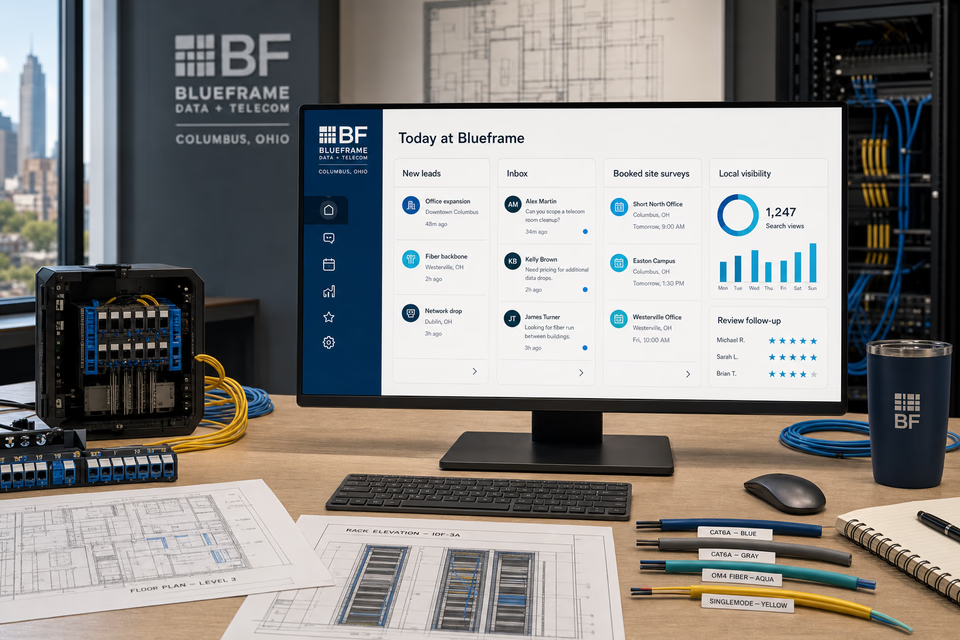
Commercial cabling projects arrive with floor plans, deadlines, room constraints, existing infrastructure, and multiple stakeholders. We connect the website, calls, messages, local search, reviews, and follow-up so site survey, scope, installation, and project closeout stay part of one organized customer record.
What the complete setup should do
Data and telecom work spans new drops, office expansions, fiber links, moves and changes, telecom-room cleanup, and documentation. The system should clarify the contractor's actual scope without turning cabling marketing into an uptime or compliance promise.
The request path should collect the facility type, project phase, locations, approximate drop count, floor plans, telecom-room photos, access constraints, and stakeholders before a survey is scheduled.
Structured cabling, fiber, rack work, cleanup, testing records, and moves or changes should be described precisely without implying managed IT, carrier service, electrical power work, or credentials the company does not provide.
Calls, emails, drawings, room photos, site-survey notes, proposals, change details, and scheduling decisions should stay in one customer record while the project moves from discovery to installation.
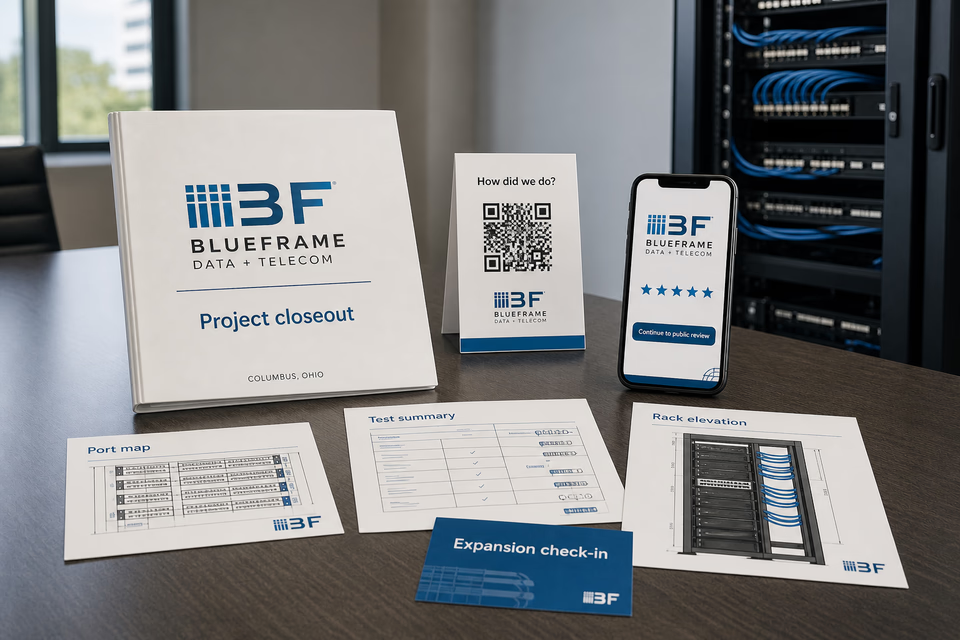
A strong closeout can organize labels, port and room references, rack elevations, recorded test results, scope notes, feedback, and future expansion context for the customer and the next technician.
The data + telecom system
Each part is built around structured cabling, fiber, network drops, telecom-room work, testing, and documentation, and every service below links to the full explanation of what it does.
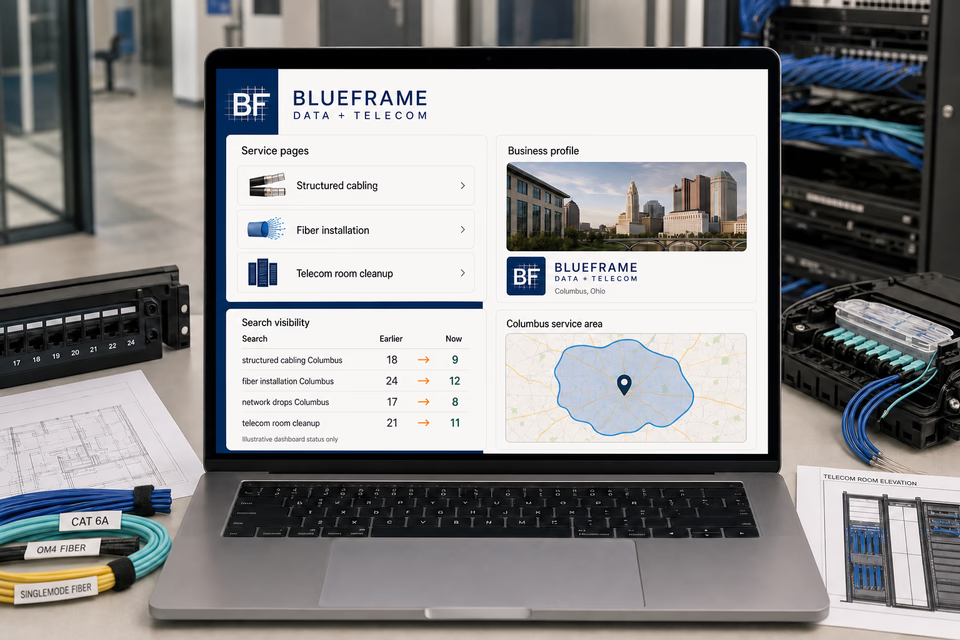
Get found for the actual commercial scope
Build useful pages around the services and facility types you genuinely handle, the site-survey process, project documentation, and the communities you serve. Connect search and ads to specific commercial work instead of a generic technology claim.
Qualify before the site survey
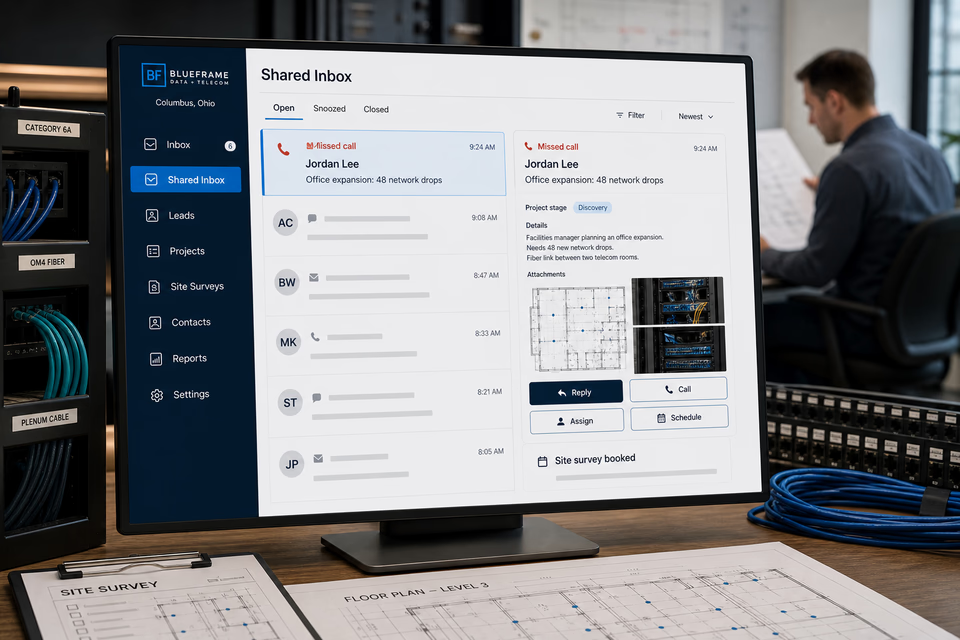
A missed call can become a normal text or email conversation. The project stage, sites, rooms, approximate quantities, existing rack conditions, attachments, and stakeholders stay together so the team can schedule a better-informed survey.
Close out with a map of the work
Ask how the project went, make a five-star review easy, hand over clear labels and documentation, and keep a restrained path open for later moves, additions, or cleanup requests without promising response times.
Every part of the offer
These are the complete Worker Websites services that can support a data + telecom contractor. Open any service for the deeper explanation.
Explain structured cabling, fiber, network drops, telecom-room work, testing, and documentation, show the real service area, and make the next step easy on a phone.
See the service 02Acknowledge an allowed missed call while the customer is still deciding who to contact.
See the service 03Keep calls, texts, forms, email, chat, and social messages in one active customer conversation.
See the service 04Give the team one work number for calls, texts, and job photos without sharing a personal cell.
See the service 05Follow up on site-survey requests, open proposals, project revisions, later expansion phases, and unanswered facilities inquiries without losing the human handoff.
See the service 06Survey the customer first, then make the public review path easy when they are fully satisfied.
See the service 07Send expansion check-ins, relocation planning reminders, documentation updates, and referral requests to past customers who agreed to hear from you.
See the service 08Improve the pages people find and keep the local listing complete, accurate, and tied to the right services.
See the service 09Track the searches that matter and keep improving useful data + telecom contractor service and location content.
See the service 10Put paid search behind specific structured cabling, fiber, network drops, telecom-room work, testing, and documentation, locations, landing pages, and clear tracking.
See the service 11Use project-closeout binders, port maps, rack elevations, label schedules, QR feedback pieces, and site-survey folders and other practical pieces before and after the job.
See the service 12Make the website, vehicles, technician apparel, proposals, plans, cable labels, closeout binders, and customer messages look like the same data + telecom contractor.
See the servicePages built around real commercial cabling projects
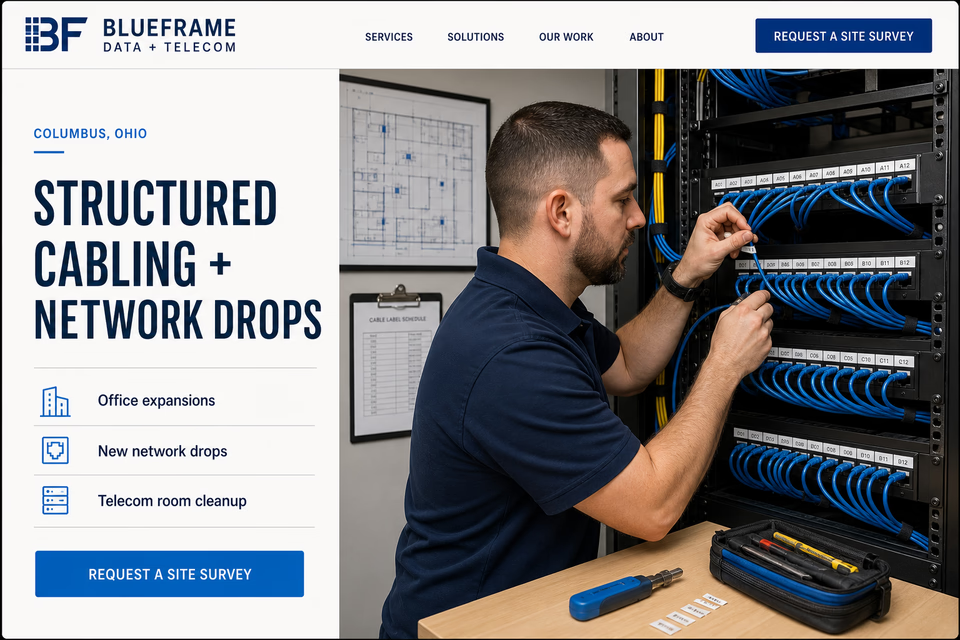
Structured cabling, fiber, network drops, telecom-room work, tracing, labeling, and moves or changes require different site details. Focused pages help facilities, construction, and IT buyers request the right survey and understand the handoff.
From search to the next job
The website should not end at a form, and a completed job should not end at an invoice. Each useful step gives the next person context.
A useful page or local listing matches the problem and gives the customer one obvious way to act.
The call, form, or message lands in the same customer record with the service, location, and conversation attached.
The owner or office can reply, call, qualify, assign, and schedule with the history already in front of them.
Feedback, reviews, print, referrals, and useful customer follow-up help one completed job create the next opportunity.
Data + telecom questions, straight answers
No. A data and telecom contractor may install pathways, cable, fiber, racks, patch panels, labels, and documentation, while another provider configures or manages the network. The site should define the company's real handoff and never imply services it does not perform.
No. Network performance depends on the full design, active equipment, service provider, configuration, environment, and use—not cabling copy alone. The site can explain the installation and documentation scope without promising an operational result.
Only when the exact credential or claim is verified, current, applicable to that work, and stated accurately for the relevant jurisdiction. The default page should not invent certifications, licensing, inspection outcomes, or blanket compliance claims.
Port and room references, cable labels, rack elevations, pathway notes, recorded test summaries, approved scope changes, and clear handoff contacts can all help. Share only what the project actually produced, and avoid exposing sensitive network details in public case studies.
Want to see the complete setup for your data + telecom contractor?
We will show you how the website, calls, messages, local search, reviews, and follow-up can work as one practical customer system.
Book the 20-minute demo