Start with the structure and requested boundary
A useful inquiry identifies the property, structure or interior area, approximate dimensions, requested removal limits, slab or foundation questions, current contents, and the next project phase.

The complete customer system for demolition contractors
Demolition customers may be property owners, builders, facility teams, or project managers preparing for the next phase of a site. We connect the website, calls, messages, local search, reviews, and follow-up so structure details, access notes, removal boundaries, photos, site-walk findings, and project records stay together.
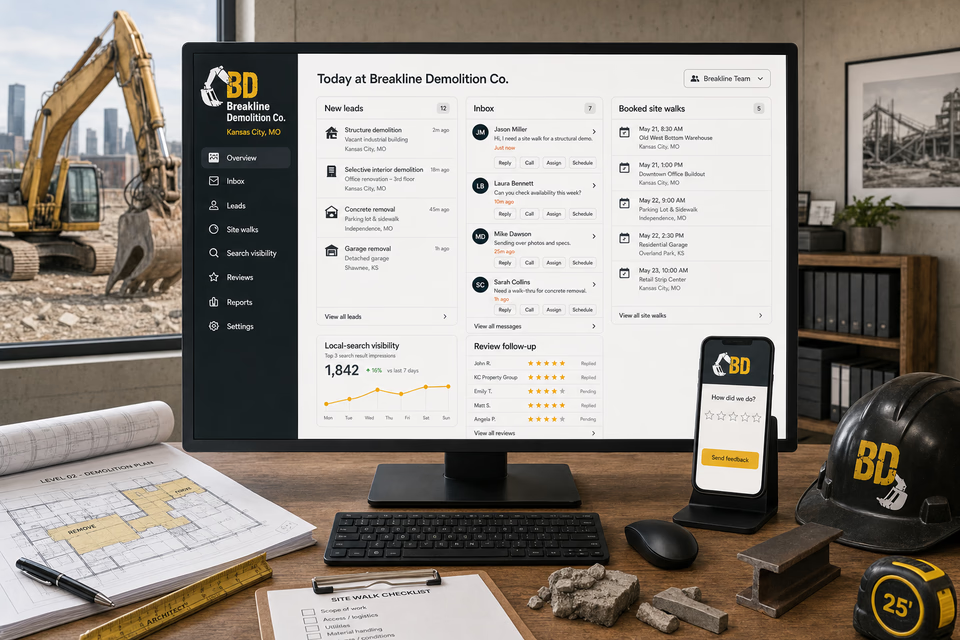
What the complete setup should do
Demolition demand moves between detached structures, commercial buildings, selective interiors, concrete and asphalt removal, and larger planned projects. The system should distinguish each scope while helping the office collect enough site context for a useful walk-through.
A useful inquiry identifies the property, structure or interior area, approximate dimensions, requested removal limits, slab or foundation questions, current contents, and the next project phase.
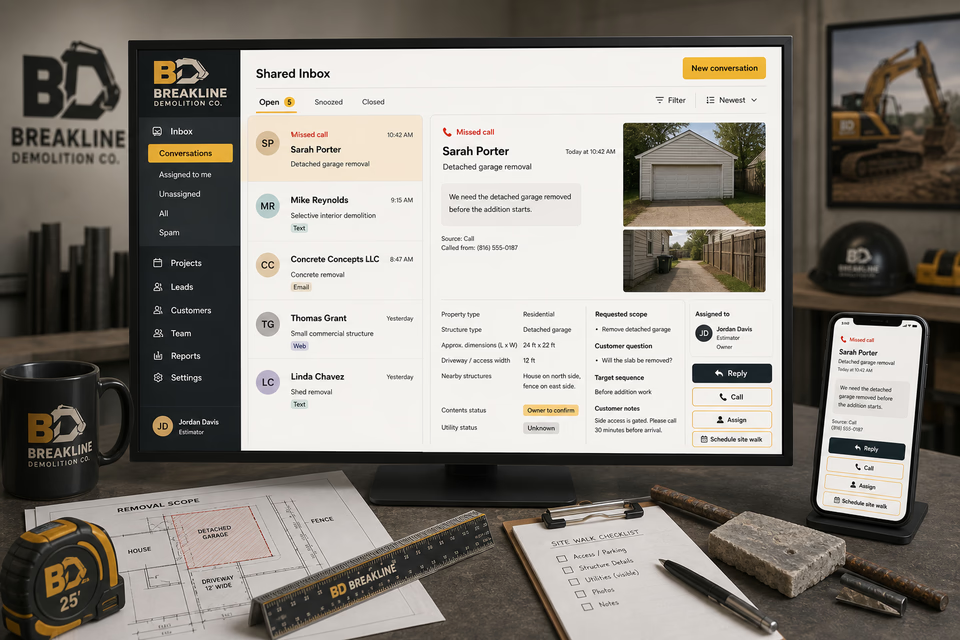
Driveway or gate width, nearby buildings, overhead constraints, staging space, customer-supplied photos, and known utility status should remain with the lead so the estimator can prepare focused questions.
Calls, texts, marked drawings, structure photos, site-walk notes, owner decisions, slab questions, equipment assumptions, and haul-off needs should stay in one project history from inquiry through accepted work.
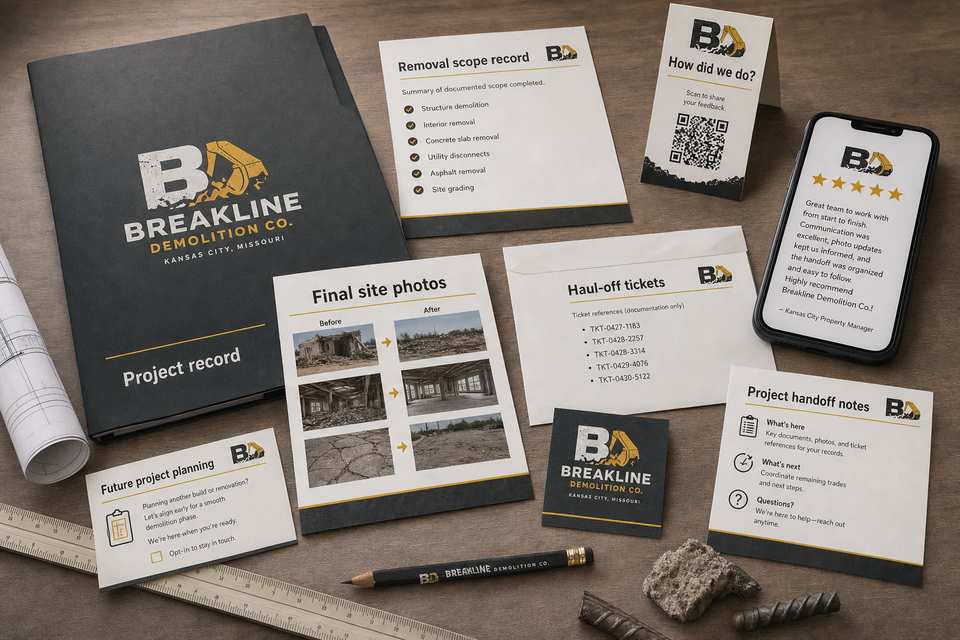
A closeout can preserve the removal-scope record, final-site photos, haul-off ticket references, feedback, and notes the customer's next project team may need.
The demolition system
Each part is built around structure demolition, selective interior removal, concrete removal, equipment staging, haul-off coordination, and project handoffs, and every service below links to the full explanation of what it does.
Get found for the scope they are planning
Build useful pages around full structures, selective interiors, garages and outbuildings, slabs and foundations, parking surfaces, pools, equipment bases, and the communities you truly serve. Connect local search and ads to the relevant scope instead of one broad construction claim.
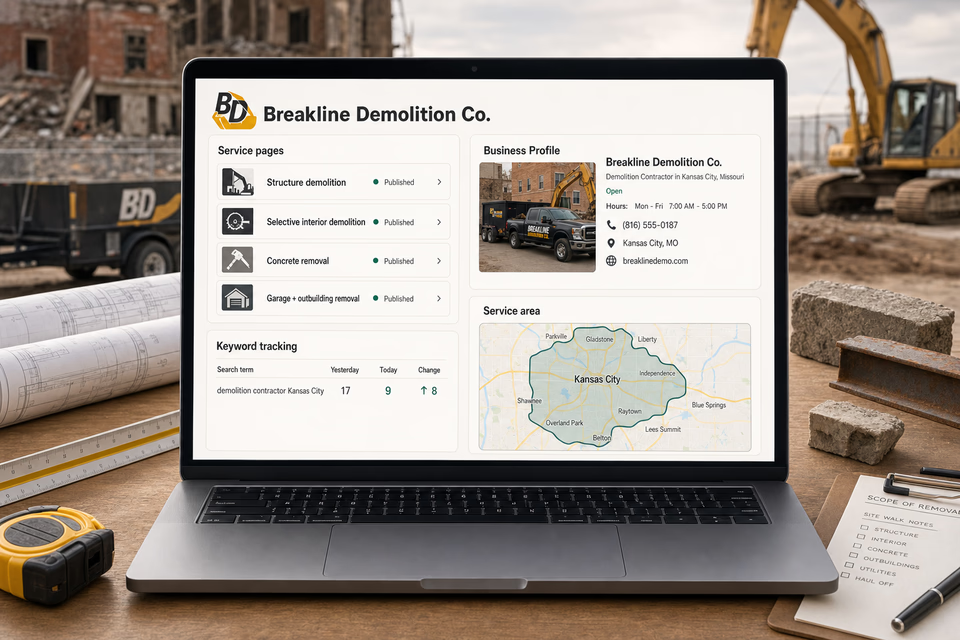
Qualify the site before the walk-through
A missed call can become a normal text conversation. The structure type, approximate dimensions, access width, nearby buildings, contents status, customer-supplied utility status, requested boundary, owner assignment, and site-walk time stay in one record.
Make the handoff useful to the next project team
Provide a concise project record, preserve the documented removal scope, organize final-site photos and haul-off ticket references, make feedback easy, and offer future-project planning follow-up to builders and property managers who agreed to hear from you.
Every part of the offer
These are the complete Worker Websites services that can support a demolition contractor. Open any service for the deeper explanation.
Explain structure demolition, selective interior removal, concrete removal, equipment staging, haul-off coordination, and project handoffs, show the real service area, and make the next step easy on a phone.
See the service 02Acknowledge an allowed missed call while the customer is still deciding who to contact.
See the service 03Keep calls, texts, forms, email, chat, and social messages in one active customer conversation.
See the service 04Give the team one work number for calls, texts, and job photos without sharing a personal cell.
See the service 05Follow up on new site-walk requests, unanswered scope questions, open estimates, requested-boundary decisions, access details, project-sequence updates, and past commercial customers planning future work without losing the human handoff.
See the service 06Survey the customer first, then make the public review path easy when they are fully satisfied.
See the service 07Send future-project planning check-ins, builder and property-manager follow-up, project feedback, review requests, and referral requests for opted-in contacts to past customers who agreed to hear from you.
See the service 08Improve the pages people find and keep the local listing complete, accurate, and tied to the right services.
See the service 09Track the searches that matter and keep improving useful demolition contractor service and location content.
See the service 10Put paid search behind specific structure demolition, selective interior removal, concrete removal, equipment staging, haul-off coordination, and project handoffs, locations, landing pages, and clear tracking.
See the service 11Use project-record folders, marked removal-scope drawings, site-walk worksheets, final-photo sheets, haul-off ticket-reference envelopes, QR feedback pieces, and project-handoff notes and other practical pieces before and after the job.
See the service 12Make the website, trucks, equipment, hard hats, estimator apparel, proposals, marked drawings, project folders, closeout pieces, and customer messages look like the same demolition contractor.
See the servicePages built around real demolition scopes
Full structures, selective interiors, garages, slabs, pools, parking surfaces, and equipment bases involve different access, staging, boundaries, documentation, and handoffs. Focused pages help customers identify the relevant removal scope and request the right site walk.
From search to the next job
The website should not end at a form, and a completed job should not end at an invoice. Each useful step gives the next person context.
A useful page or local listing matches the problem and gives the customer one obvious way to act.
The call, form, or message lands in the same customer record with the service, location, and conversation attached.
The owner or office can reply, call, qualify, assign, and schedule with the history already in front of them.
Feedback, reviews, print, referrals, and useful customer follow-up help one completed job create the next opportunity.
Demolition contractor questions, straight answers
Yes. Full-structure work usually needs building type, dimensions, access, nearby structures, slab or foundation questions, photos, and project sequence. Selective interior work needs marked areas, occupied-space context, access routes, retained elements, and coordination with the customer's next team.
Ask for the address, property and structure type, approximate dimensions, requested removal boundary, current contents, access width, nearby buildings, known utility status, slab or foundation questions, clear photos, and the next planned project phase.
No. The page should define the requested removal scope and separately identify any slab, foundation, asphalt, backfill, grading, haul-off, or documentation items that are actually part of the proposed work. Final records should describe what was documented, not imply work outside the agreed scope.
Only list work the contractor genuinely performs. When a project depends on specialist evaluations, third-party decisions, or services outside the company's scope, the website should keep those boundaries clear instead of presenting them as included.
Want to see the complete setup for your demolition contractor?
We will show you how the website, calls, messages, local search, reviews, and follow-up can work as one practical customer system.
Book the 20-minute demo