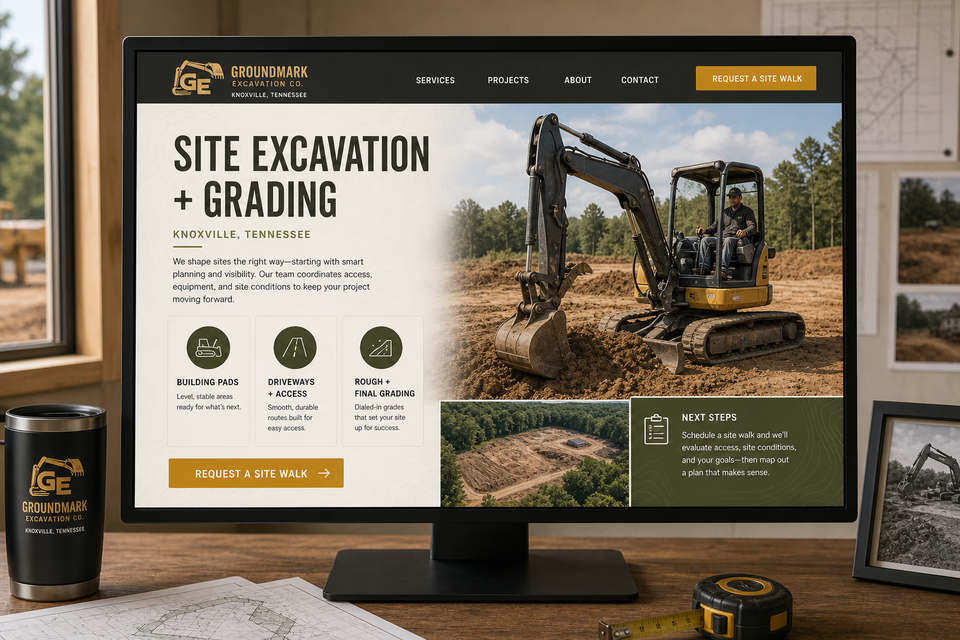
The complete customer system for excavation + grading contractors
Show the site. Define the scope. Keep the next move clear.
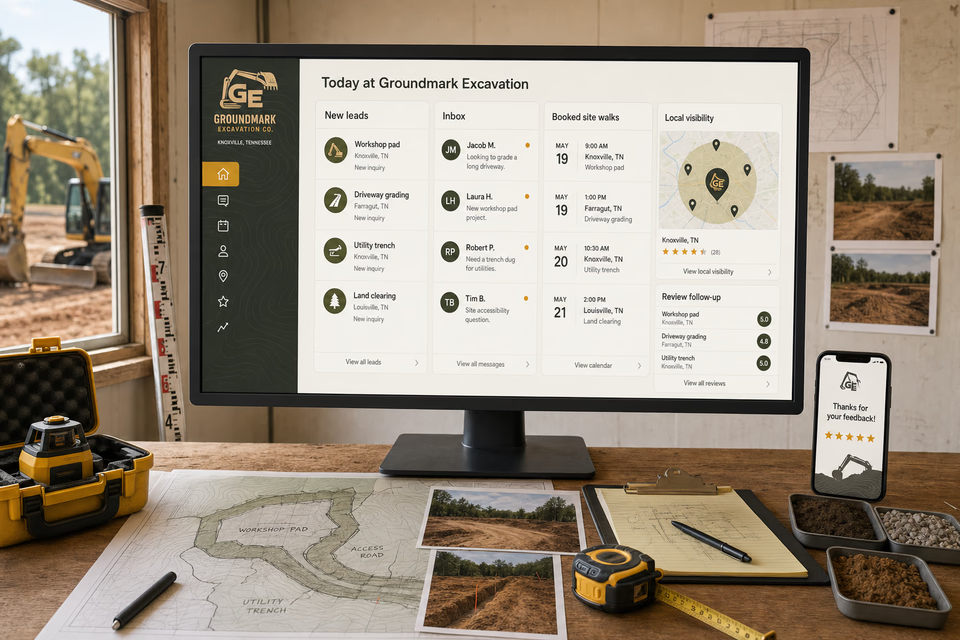
Excavation and grading customers often arrive with an address, a plan, a few site photos, and questions about access, quantities, sequencing, or later phases. We connect the website, calls, messages, local search, reviews, and follow-up so the site conditions, work area, documents, estimates, revisions, and next steps stay together.
Groundmark Excavation Co.Website, response, search, reviews, and follow-up
What the complete setup should do
Be useful before, during, and after the service call.
Site excavation, clearing, grading, trenching, and access work may share equipment, but they do not share one generic scope. The system should help customers describe the property and intended work while leaving field evaluation, utility coordination, engineering, permitting, testing, and technical conclusions to the qualified people responsible for the real project.
01
Start with the site and access
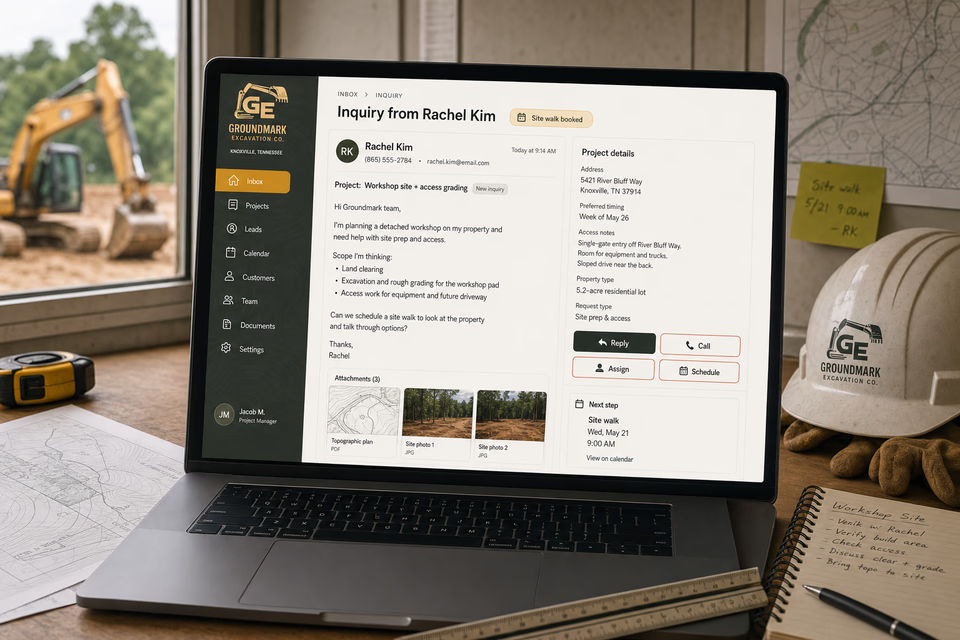
Ask for the property address, intended work area, available plans or surveys, site photos, terrain, access notes, timing, and any utility information the customer already has before turning the inquiry into a site walk.
02
Separate the actual scopes
Land clearing, site excavation, rough grading, final grading, trenching, material handling, and access work need different questions, equipment context, proof, and estimating steps.
03
Keep plans, photos, and revisions attached
Marked photos, surveys, plans, site-walk notes, quantities, estimates, access details, revisions, and scheduling updates should stay with one customer record as the scope develops.
04
Document the work without overclaiming
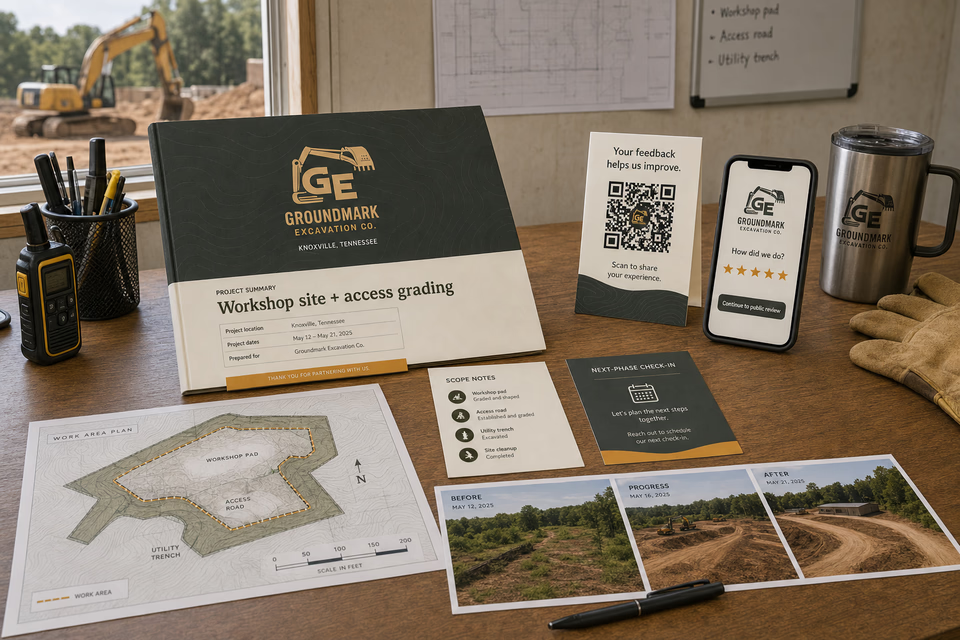
A useful closeout can identify the agreed work areas, scope notes, visible progress, project photos, feedback, and next-phase questions without turning marketing materials into unsupported engineering, drainage, compaction, inspection, or outcome claims.
The excavation + grading system
Three parts. One customer journey.
Each part is built around site excavation, rough and final grading, land clearing, trenching, and access work, and every service below links to the full explanation of what it does.
01
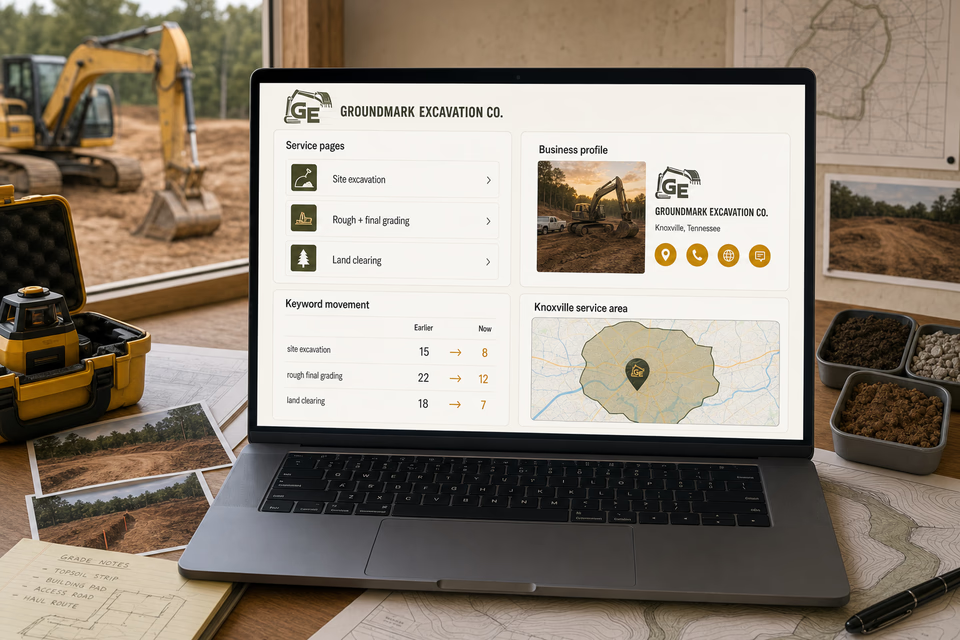
Get found for the sitework people are actually planning
Give excavation, grading, clearing, trenching, and access work distinct proof.
Build focused pages around the real services, equipment, project types, planning inputs, site-walk process, and communities the company genuinely covers. Aim local search and ads at those specific offers instead of one vague sitework page.
Keep the address, plan, marked photos, access notes, and timing together.
A missed call can become a structured conversation. The work area, existing documents, customer goals, access, visible site conditions, timing, and attachments stay together so the team can schedule a better-informed site walk without diagnosing or promising the project remotely.
Package scope notes, project photos, feedback, and later-phase context.
Share a clear summary of the completed scope, organize before, progress, and after photos, ask how the experience went, make a public review easy, and keep a restrained path open for a later project phase when the customer has agreed to hear from you.
Site excavation, rough grading, final grading, land clearing, building pads, access work, trenching, and commercial sitework need different proof, intake questions, and site-walk expectations. Focused pages help customers choose the right starting point without promising a result before the site is reviewed.
Site excavation
Rough grading
Final grading
Land clearing + brush removal
Building pad preparation
Driveway + access grading
Utility trenching
Residential excavation
Commercial sitework
Material hauling + spoil management
Service-area pages for the communities you really cover
From search to the next job
The handoffs are the whole point.
The website should not end at a form, and a completed job should not end at an invoice. Each useful step gives the next person context.
01
They find the right service
A useful page or local listing matches the problem and gives the customer one obvious way to act.
02
The request stays alive
The call, form, or message lands in the same customer record with the service, location, and conversation attached.
03
A person owns the next step
The owner or office can reply, call, qualify, assign, and schedule with the history already in front of them.
04
The finished job keeps working
Feedback, reviews, print, referrals, and useful customer follow-up help one completed job create the next opportunity.
Excavation + grading questions, straight answers
Show the work area. Share the plan. Leave technical conclusions to the project team.
01Can an excavation contractor estimate from photos or a plan?
Photos, surveys, and plans can help clarify the work area, access, visible conditions, and likely conversation. Many projects still need a site walk and additional information before the contractor can define quantities, equipment, sequencing, exclusions, or price.
02Can the website guarantee drainage or compaction results?
No. Those conclusions depend on the real plan, soils, materials, specifications, testing, engineering, weather, and work performed. Marketing should explain the contractor's actual process and documented scope without inventing a performance guarantee.
03How should the site discuss permits, utilities, and engineering?
Explain the company's real responsibilities and the information it needs from the customer. Do not imply that every permit, utility locate, design decision, inspection, or engineering task is included unless that is true for the specific service and project.
04What excavation and grading photos are most useful?
Use wide site context, marked work areas, access and equipment context, existing conditions, and clearly labeled before, progress, and after views. Pair the images with scope notes so customers understand what they are seeing without treating a photo as technical proof.
Want to see the complete setup for your excavation + grading contractor?
Bring the old site. Or the lack of one.
We will show you how the website, calls, messages, local search, reviews, and follow-up can work as one practical customer system.