Show the work you want more of
The site should lead with relevant project types, locations, process, and proof—not a catch-all claim that you do everything.

The complete customer system for general contractors
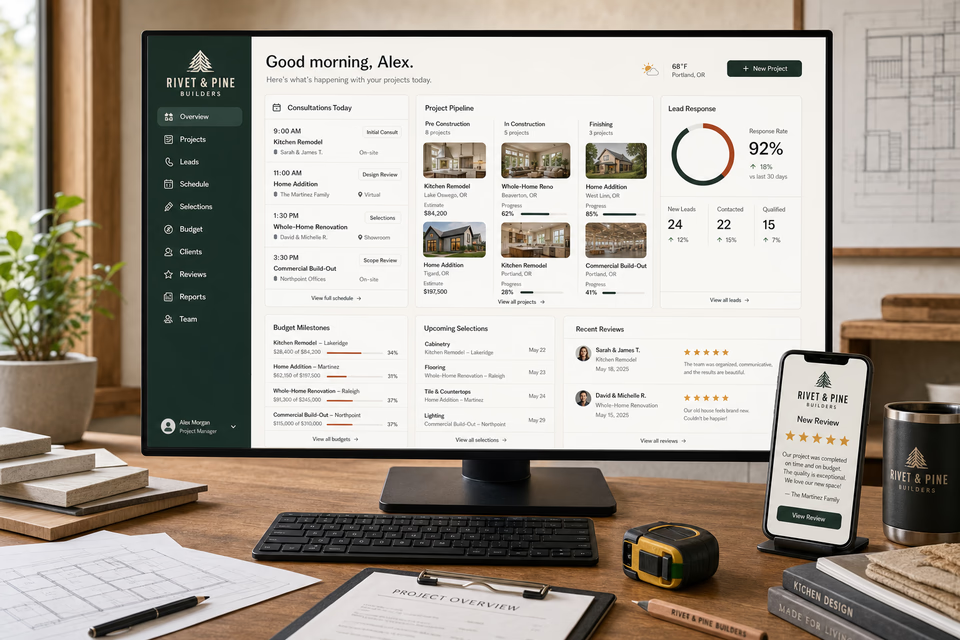
General contracting leads arrive with different budgets, timelines, property types, and levels of readiness. We connect the website, calls, messages, proof, reviews, and follow-up so the right projects move forward with context.
What the complete setup should do
A good contractor does not need every lead. The system should show the right work, set expectations, and make serious project inquiries easier to qualify.
The site should lead with relevant project types, locations, process, and proof—not a catch-all claim that you do everything.
Useful pages can explain fit, scope, timeline, design readiness, and the first conversation without publishing fake one-size-fits-all pricing.
Calls, forms, inspiration photos, notes, estimates, and follow-up should stay together while the prospect becomes a real project.
A strong closeout can earn a detailed review, organize project photography, invite referrals, and support future phases.
The general contractor system
Each part is built around remodels, additions, builds, and multi-trade projects, and every service below links to the full explanation of what it does.
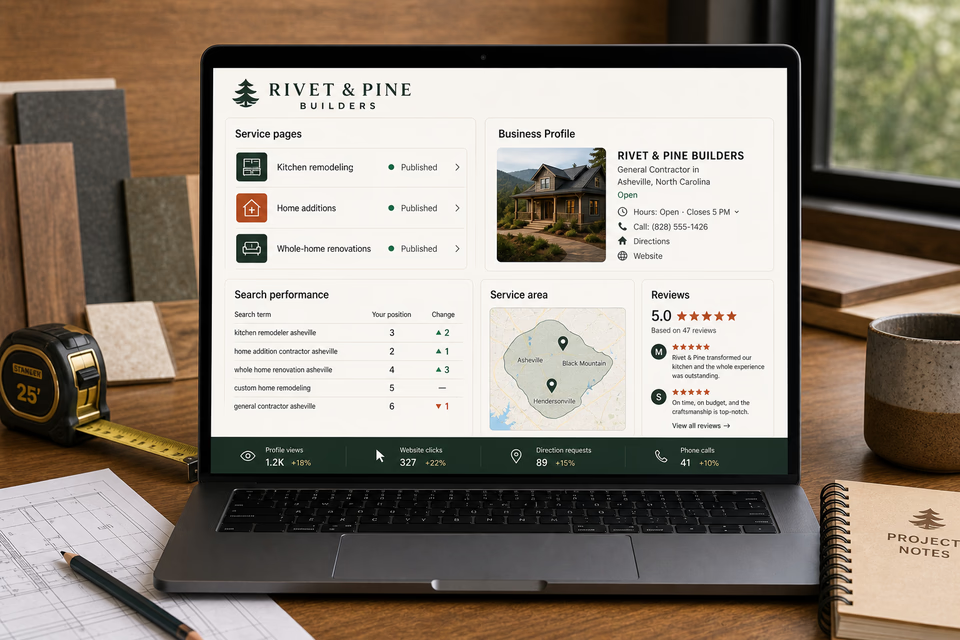
Lead with fit and proof
Build useful pages around remodels, additions, new builds, commercial work, and the places you serve. Pair each with relevant process details and real project proof.
Qualify without creating friction
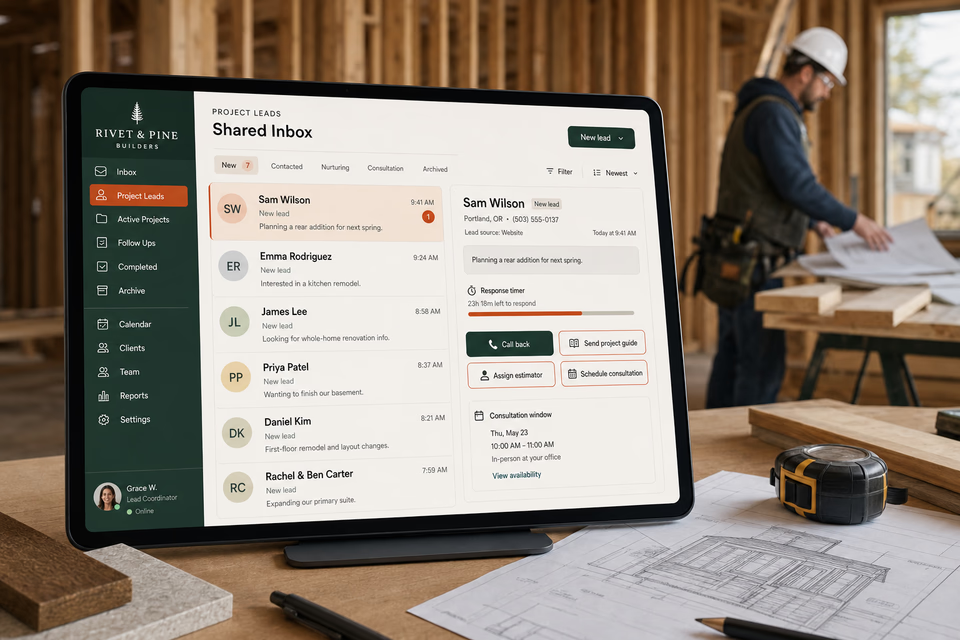
A project request can move into one conversation with the customer's goals, timeline, location, photos, and follow-up. The office sees what is known before scheduling the first call.
Finish the project story
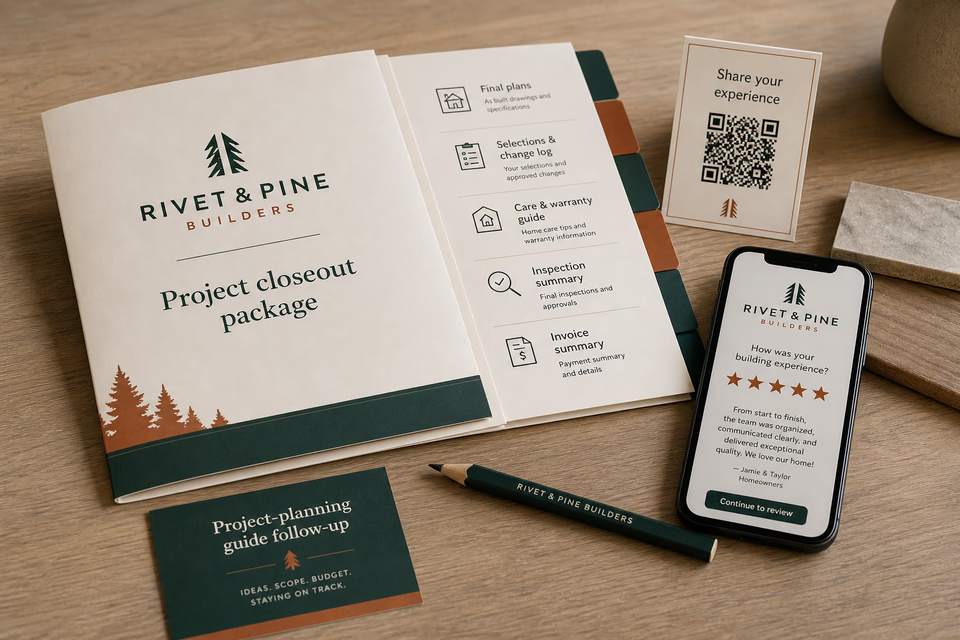
Ask for feedback, make a detailed review easy, organize useful print and closeout materials, and reconnect when past customers have another phase or a referral.
Every part of the offer
These are the complete Worker Websites services that can support a general contractor. Open any service for the deeper explanation.
Explain remodels, additions, builds, and multi-trade projects, show the real service area, and make the next step easy on a phone.
See the service 02Acknowledge an allowed missed call while the customer is still deciding who to contact.
See the service 03Keep calls, texts, forms, email, chat, and social messages in one active customer conversation.
See the service 04Give the team one work number for calls, texts, and job photos without sharing a personal cell.
See the service 05Follow up on qualified project inquiries, open proposals, and later-phase opportunities without losing the human handoff.
See the service 06Survey the customer first, then make the public review path easy when they are fully satisfied.
See the service 07Send project-planning guides, referral requests, and thoughtful past-client check-ins to past customers who agreed to hear from you.
See the service 08Improve the pages people find and keep the local listing complete, accurate, and tied to the right services.
See the service 09Track the searches that matter and keep improving useful general contractor service and location content.
See the service 10Put paid search behind specific remodels, additions, builds, and multi-trade projects, locations, landing pages, and clear tracking.
See the service 11Use project folders, proposal inserts, site signs, QR review cards, and referral pieces and other practical pieces before and after the job.
See the service 12Make the website, jobsite signs, proposals, project folders, crew apparel, and messages look like the same general contractor.
See the servicePages built around real construction projects
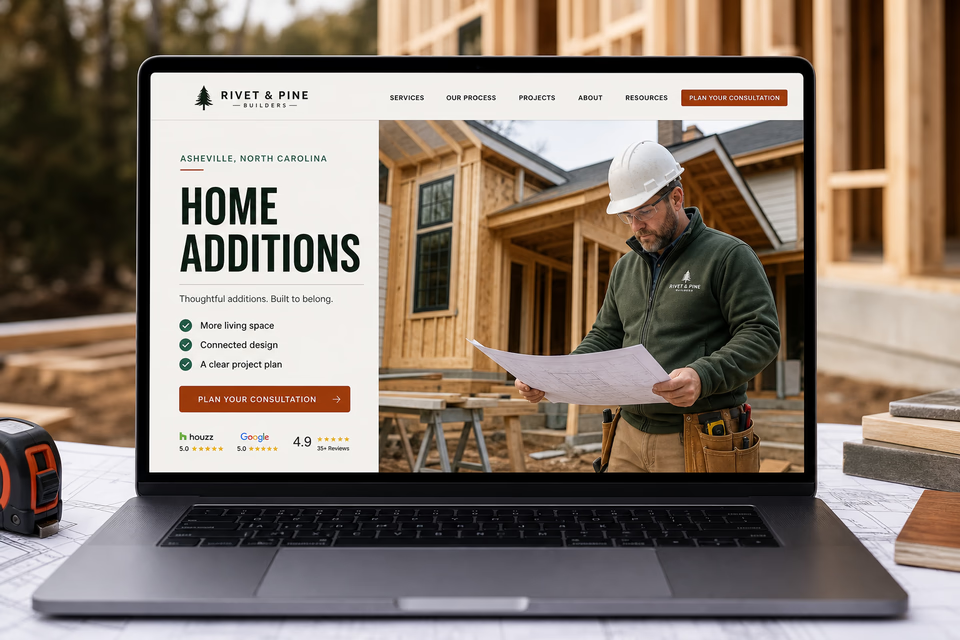
Kitchens, additions, whole-home remodels, commercial build-outs, and new construction have different buyers and proof. Give each project type room to explain the process.
From search to the next job
The website should not end at a form, and a completed job should not end at an invoice. Each useful step gives the next person context.
A useful page or local listing matches the problem and gives the customer one obvious way to act.
The call, form, or message lands in the same customer record with the service, location, and conversation attached.
The owner or office can reply, call, qualify, assign, and schedule with the history already in front of them.
Feedback, reviews, print, referrals, and useful customer follow-up help one completed job create the next opportunity.
General contractor questions, straight answers
That is not the goal. The site should make your best-fit project types, locations, process, and expectations clear so fewer poor-fit inquiries reach the calendar.
They can when the businesses, buyers, and proof are meaningfully different. This general contractor guide covers the shared system while focused project pages handle each real offer.
Only when they are honest and useful for your market. Otherwise the site can explain the factors that shape scope, schedule, and investment without pretending every project is comparable.
A smaller set of well-documented projects is better than a huge unlabeled gallery. Show the problem, process, decisions, finished work, and location when appropriate.
Contractor scenarios
LEGAL DISCLAIMER: Paid presentation. The person(s) featured in this video is a paid actor compensated for reading scripted content. This video is a dramatization. Individual results may vary.
Want to see the complete setup for your general contractor?
We will show you how the website, calls, messages, local search, reviews, and follow-up can work as one practical customer system.
Book the 20-minute demo