The complete customer system for handyman services
List the small repairs. Group the visit. Keep every detail attached.
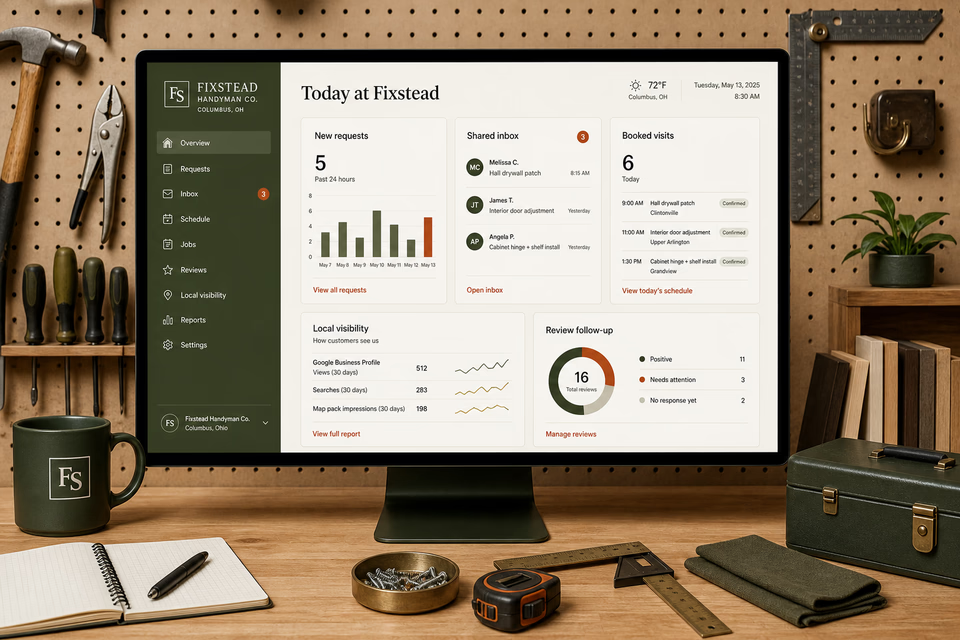
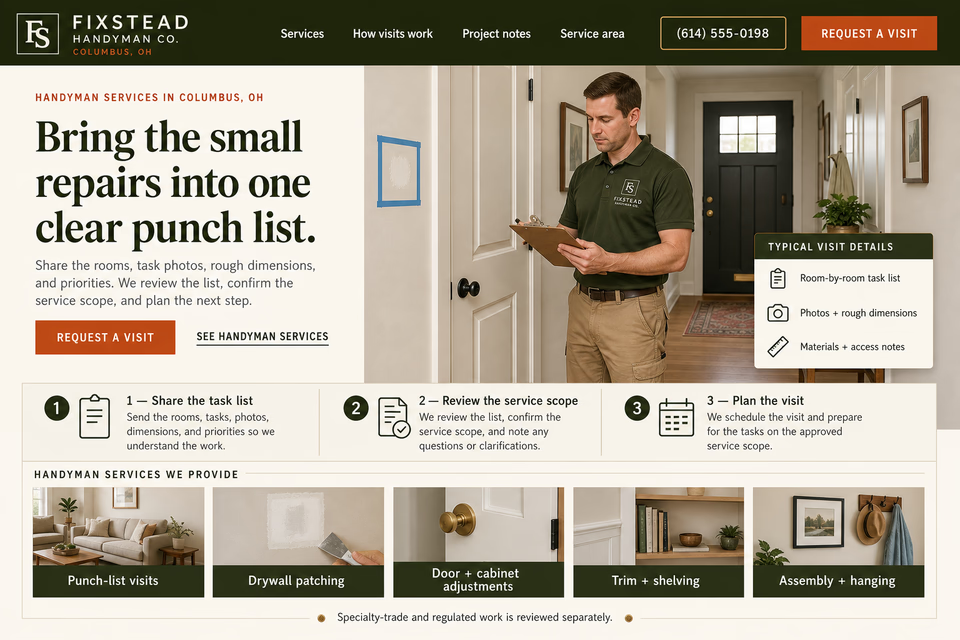
Handyman customers often have several practical repairs rather than one large project. We connect the website, calls, messages, local search, reviews, and follow-up so room photos, task lists, measurements, material notes, visit details, progress, and closeout stay together.
Fixstead Handyman Co.Website, response, search, reviews, and follow-up
What the complete setup should do
Be useful before, during, and after the service call.
A sticking interior door, drywall patch, loose cabinet hinge, trim repair, shelf installation, and furniture assembly can fit one visit, but each task still needs clear photos, access, dimensions, material notes, and scope boundaries. The system should help customers build a useful punch list without treating licensed, structural, hazardous, or specialty-trade work as general handyman service.
01
Start with one organized task list
Ask which rooms and items are involved, what changed, which photos and approximate dimensions are available, whether materials or replacement hardware are already on site, how the technician can access each area, and which items matter most.
02
Keep the service boundary clear
Small repairs, drywall patches, adjustments, trim, mounting, and assembly can follow a handyman path. Electrical, plumbing, gas, HVAC, roofing, structural, regulated, or hazardous work should be identified and routed according to the company's real qualifications and local requirements.
03
Keep every room and item attached
Room labels, task photos, dimensions, customer-provided products, material notes, visit access, approved scope, progress, added requests, and customer messages should stay with one service record.
04
Close out the completed list precisely
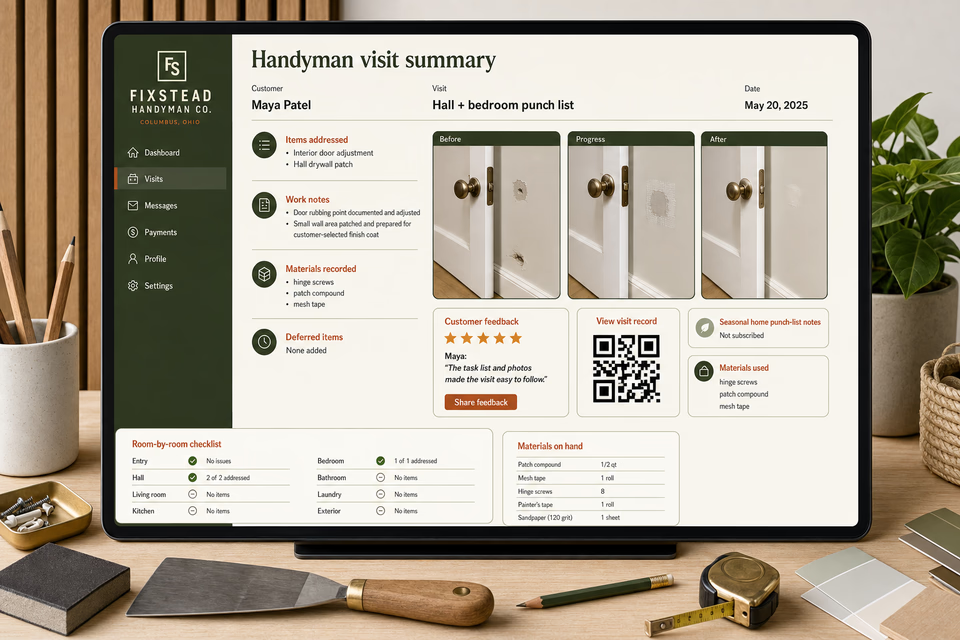
A useful closeout can show which listed items were addressed, materials and hardware documented, before, progress, and after photos, customer feedback, and deferred items without turning a routine repair visit into a structural, code, safety, durability, or workmanship guarantee.
The handyman service system
Three parts. One customer journey.
Each part is built around small home repairs, punch-list visits, drywall patching, door and cabinet adjustments, trim, shelving, and furniture assembly, and every service below links to the full explanation of what it does.
01
Get found for the small repair people actually need
Give punch lists, drywall patches, door adjustments, trim, shelving, and assembly distinct proof.
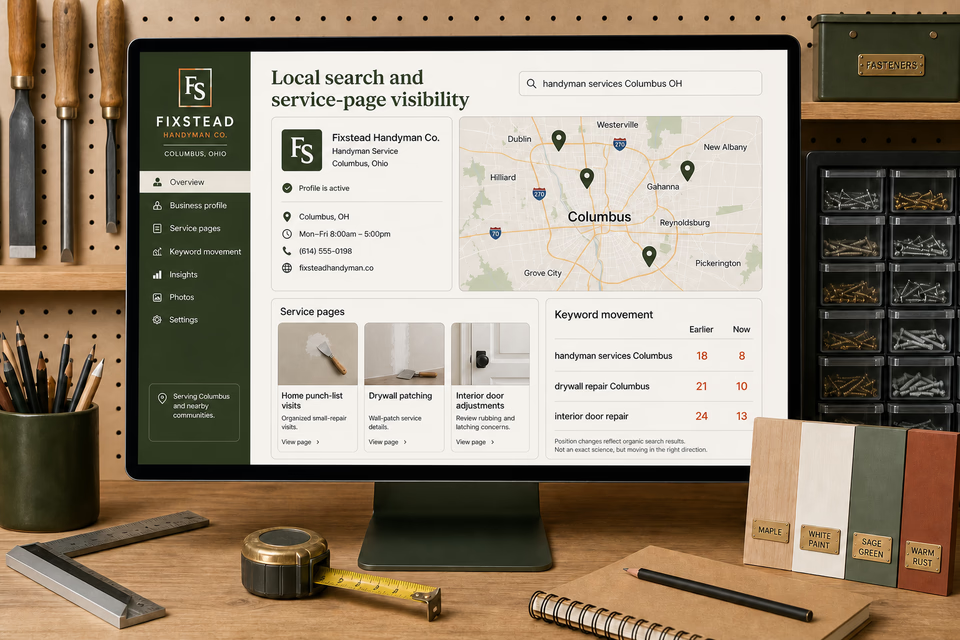
Build focused pages around the real handyman services, task examples, preparation process, completed details, service boundaries, and communities the company genuinely serves. Aim local search and ads at those specific offers instead of one vague home-repair page.
Keep the room, task, photo, dimensions, materials, access, and priority together.
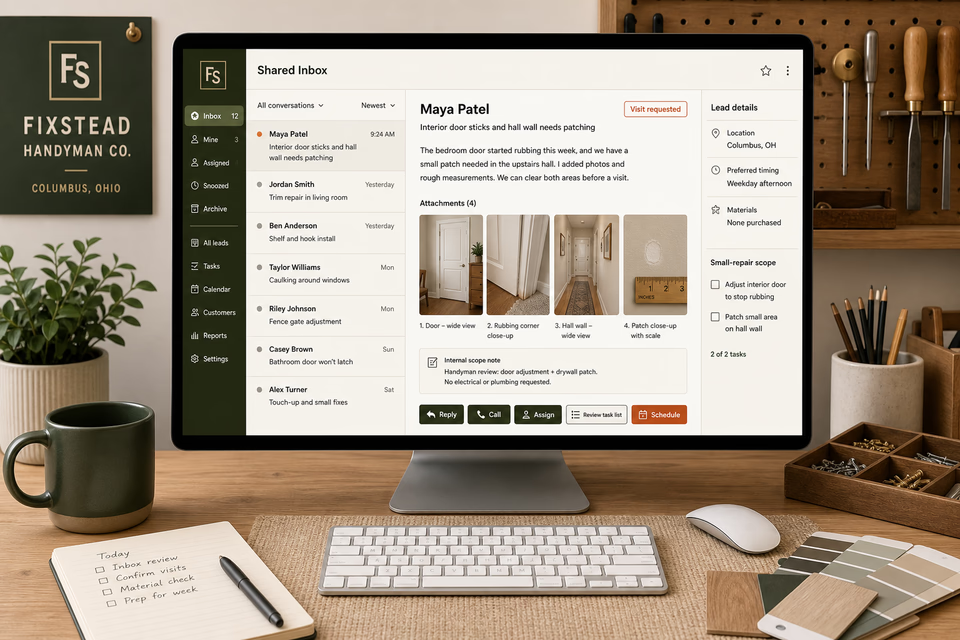
A missed call can become a structured conversation. Each requested item, visible condition, attachment, customer-provided product, approximate dimensions, access note, and preferred timing stay together so the team can review the list without pricing unseen conditions or accepting out-of-scope specialty work.
Package the completed items, material notes, project photos, feedback, and deferred tasks.
Share a concise visit summary, organize visible progress by room, ask how the experience went, make a public review easy, and keep a restrained path open for a later punch list or small repair when the customer has agreed to hear from you.
Punch-list visits, drywall repairs, door adjustments, cabinet hardware, trim, shelving, assembly, and small interior repairs need different examples and preparation notes. Focused pages help customers describe the work and request the right next step without promising price, timing, fit, or an outcome before the list and site conditions are reviewed.
Home punch-list visits
Drywall patching + touch-up preparation
Interior door adjustments
Cabinet door + hardware adjustments
Interior trim + moulding repairs
Shelving + wall-mounted storage
Furniture + fixture assembly
Picture, mirror + decor hanging
Caulk + weatherstrip replacement
Small interior home repairs
Service-area pages for the communities you really cover
From search to the next job
The handoffs are the whole point.
The website should not end at a form, and a completed job should not end at an invoice. Each useful step gives the next person context.
01
They find the right service
A useful page or local listing matches the problem and gives the customer one obvious way to act.
02
The request stays alive
The call, form, or message lands in the same customer record with the service, location, and conversation attached.
03
A person owns the next step
The owner or office can reply, call, qualify, assign, and schedule with the history already in front of them.
04
The finished job keeps working
Feedback, reviews, print, referrals, and useful customer follow-up help one completed job create the next opportunity.
Handyman service questions, straight answers
Share the list. Show each area. Keep specialty work with the right trade.
01Can a handyman service quote a whole punch list from photos?
Photos, room labels, approximate dimensions, and product information can make the first review more useful, but they do not reveal every substrate, fastener, hidden condition, material need, access constraint, or repair step. Use them to prepare the visit, not promise a final price, duration, or result.
02What work belongs on a handyman service page?
Only the work the company actually performs and is qualified to offer. Small repairs, adjustments, patching, trim, mounting, and assembly may fit; electrical, plumbing, gas, HVAC, roofing, structural, hazardous, or regulated work should be excluded or routed to appropriately qualified trades according to local requirements.
03Should every small task share one generic service page?
No. A drywall patch, sticking interior door, cabinet adjustment, shelf installation, and furniture assembly involve different photos, measurements, materials, preparation, and proof. Focused pages can still lead into one organized punch-list request.
04What photos make a handyman request more useful?
Ask for one wide room view, a close view of each task, an object for scale when helpful, product labels for customer-provided items, and the surrounding access area. Do not ask customers to open walls, move heavy objects, climb, dismantle equipment, or investigate electrical, plumbing, gas, structural, or other hazardous conditions.
Want to see the complete setup for your handyman service company?
Bring the old site. Or the lack of one.
We will show you how the website, calls, messages, local search, reviews, and follow-up can work as one practical customer system.