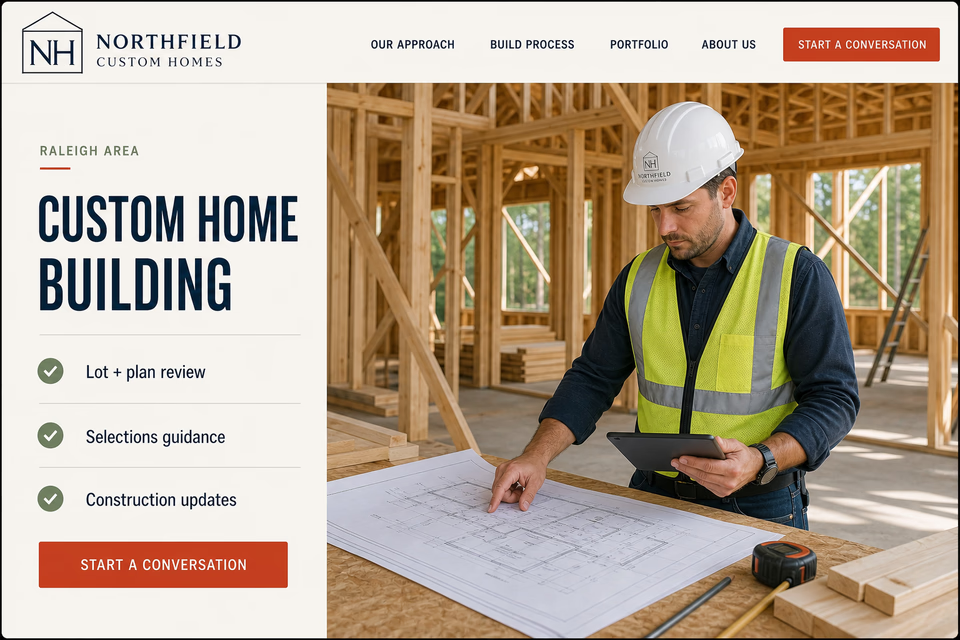
Show the homes. Explain the process. Keep every decision connected.
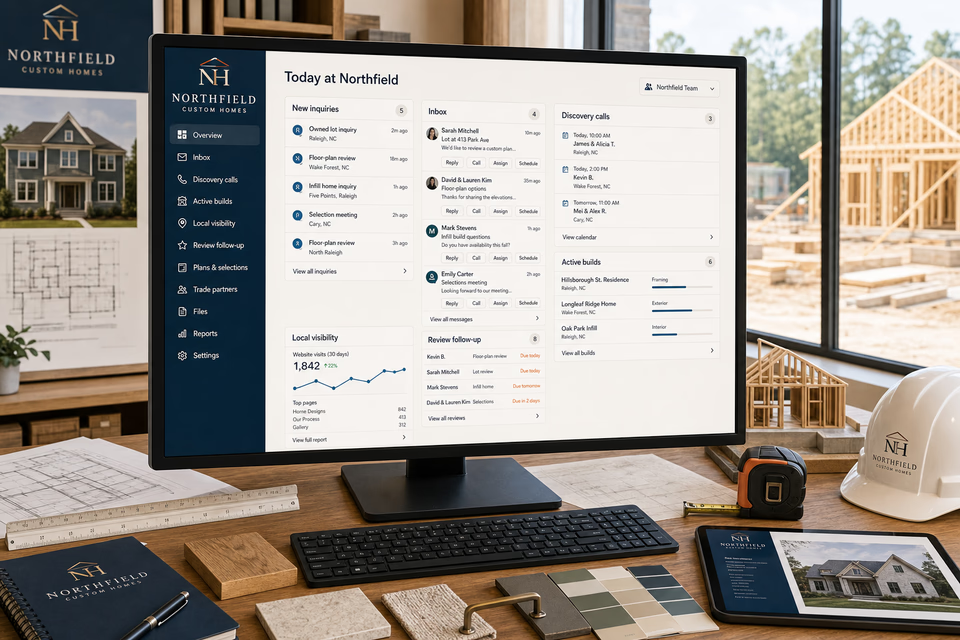
A new home has a long buying cycle and a lot of moving pieces: the lot, plans, budget range, financing status, selections, schedule questions, construction updates, and final handoff. We connect the website, calls, messages, proof, follow-up, and project communication so serious buyers understand the next step and the builder keeps every decision tied to one customer story.
Northfield Custom HomesWebsite, response, search, reviews, and follow-up
What the complete setup should do
Be useful before, during, and after the service call.
Some buyers already own a lot. Others are still looking. Some bring plans, while others need help understanding custom, semi-custom, and design-build paths. The customer system should qualify lot status, plan status, target size, must-haves, budget range, timing, and service area without publishing a fixed price or promising a move-in date before plans, site conditions, selections, and approvals are reviewed.
01
Qualify the lot, plans, budget, and timing
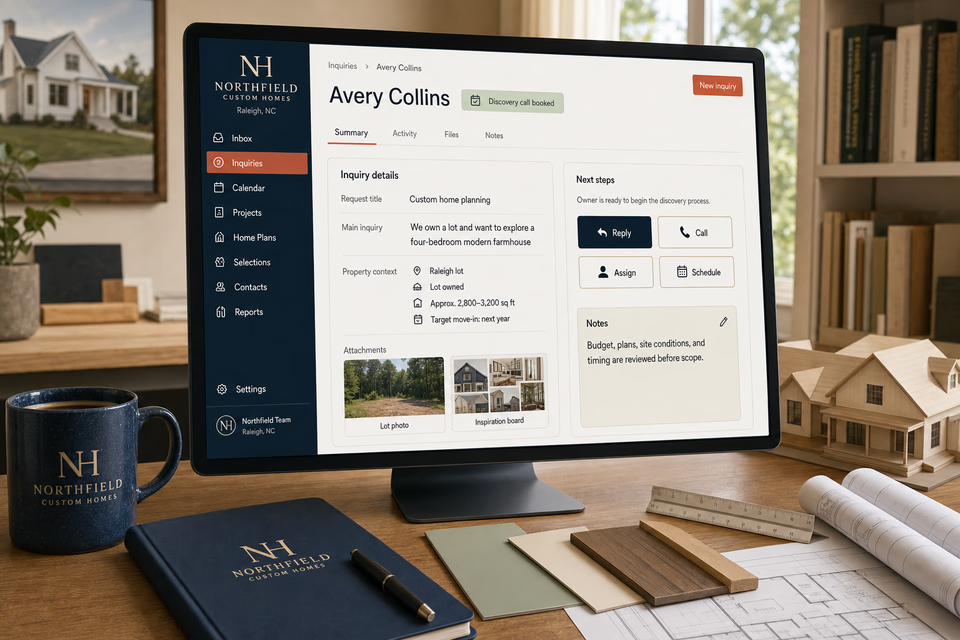
The inquiry path should gather the lot address or search status, desired size, bedrooms, baths, style, must-haves, plan status, budget range, financing status, target timing, and service area so the team can prepare for a useful discovery call.
02
Explain the right building path
Custom, semi-custom, design-build, infill, and community-based homes should have distinct explanations so buyers can understand the decisions, flexibility, and early planning steps for the services the company genuinely offers.
03
Keep selections and decisions attached
Inspiration images, floor-plan notes, allowances, finish selections, open questions, meeting notes, change documentation, and construction updates should stay connected to the same customer and project conversation.
04
Deliver useful homeowner records
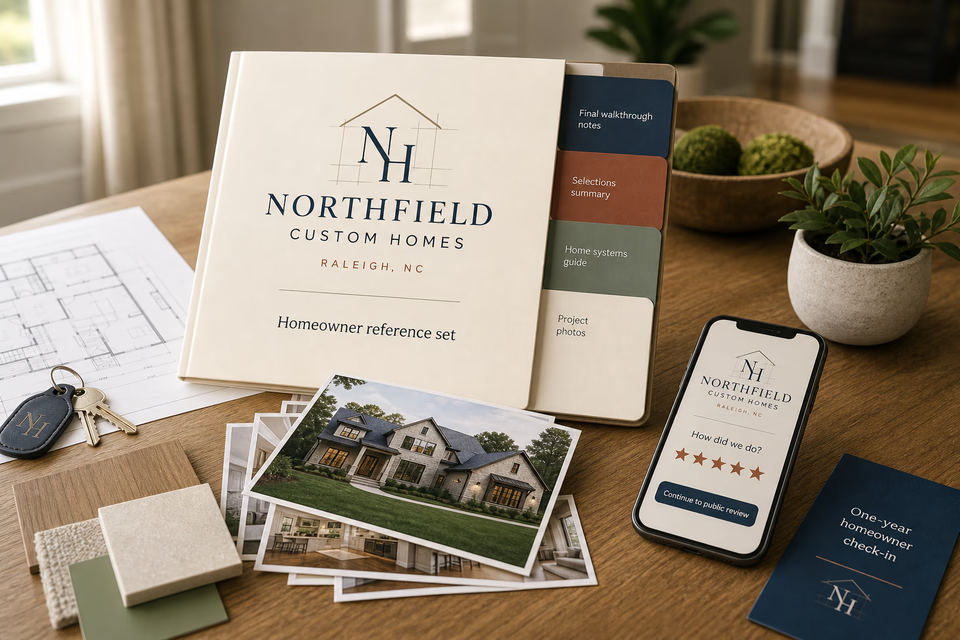
A thoughtful closeout can organize final walkthrough notes, the selections summary, home systems information, project photos, feedback, and future homeowner check-ins without overstating warranties or future performance.
The home building system
Three parts. One customer journey.
Each part is built around custom homes, semi-custom homes, design-build projects, infill construction, selections, and new-home delivery, and every service below links to the full explanation of what it does.
01
Get found for the home and the building path
Give custom, semi-custom, design-build, and infill work their own useful pages.
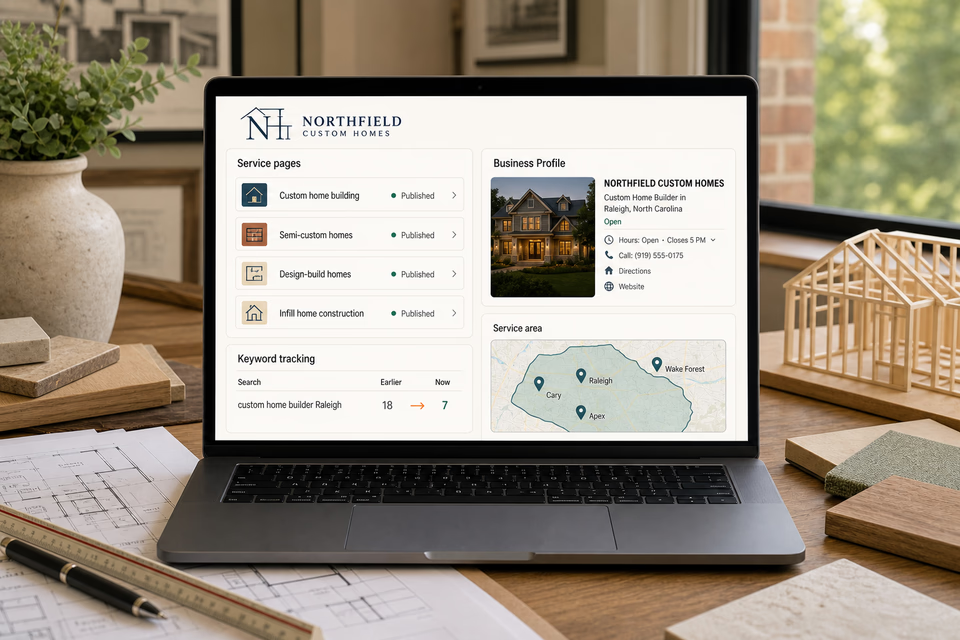
Build focused pages around the services, home styles, planning stages, portfolio proof, and communities you genuinely serve. Keep the local profile, search work, and campaigns aligned with those same offers instead of treating every new-home buyer as the same lead.
Turn early interest into a prepared discovery call
Keep the lot, plan, inspiration, must-haves, budget range, and timing together.
A form, call, or message can become one owned conversation. Lot status, target size, home style, plan files, inspiration, service area, financing status, questions, reply, assignment, and discovery-call time stay attached for the sales and preconstruction teams.
Connect progress updates, decisions, walkthrough records, and homeowner follow-up.
Organize milestone communication and open selections during the build, then provide a clear homeowner reference set, ask how the experience went, make a public review easy, and send restrained check-ins or referral invitations when they fit the completed project.
Custom building, semi-custom homes, design-build work, infill construction, lot evaluation, home styles, and community-specific projects are different conversations. Each page should show relevant homes, explain the process, identify the decisions a buyer should prepare for, and make the next step clear without turning an early inquiry into a construction commitment.
Custom home building
Semi-custom homes
Design-build homes
Infill home construction
Lot evaluation + preconstruction
Floor-plan development—when you genuinely offer it
Modern farmhouse homes
Contemporary homes
Single-story homes
Move-up + downsizing home plans
New-home communities—only where you actually build
Service-area pages for the communities you really serve
From search to the next job
The handoffs are the whole point.
The website should not end at a form, and a completed job should not end at an invoice. Each useful step gives the next person context.
01
They find the right service
A useful page or local listing matches the problem and gives the customer one obvious way to act.
02
The request stays alive
The call, form, or message lands in the same customer record with the service, location, and conversation attached.
03
A person owns the next step
The owner or office can reply, call, qualify, assign, and schedule with the history already in front of them.
04
The finished job keeps working
Feedback, reviews, print, referrals, and useful customer follow-up help one completed job create the next opportunity.
Home builder questions, straight answers
Clear process. Documented decisions. No price or move-in guarantees.
01Is this just a home builder website package?
No. The website is the front door. The complete setup can connect calls, texts, forms, lot and plan details, inspiration files, the shared inbox, discovery scheduling, preconstruction follow-up, reviews, local search, ads, print, and branding around the way your home-building company actually moves a customer from interest to handoff.
02Can the website quote an exact home price or completion date?
No. It can explain the building paths you offer and collect a buyer's lot status, plans, desired size, selections, budget range, and timing. Actual pricing and scheduling depend on the reviewed plans, site conditions, specifications, selections, trade availability, approvals, and the builder's signed documents.
03Can the site promise permits, zoning approval, engineering, or energy performance?
No. The site can describe the company's real process and identify the information customers may need to prepare. Local authorities and appropriately qualified professionals make approval, code, engineering, and performance determinations.
04Should the page promise a lifetime, defect-free home or future investment value?
No. Show honest portfolio proof, explain quality-control and communication practices, and publish only the written warranty the company actually provides. Do not promise that a home will never need service, that every material will last indefinitely, or that the property will gain a specific value.
Want to see the complete setup for your home builder?
Bring the old site. Or the lack of one.
We will show you how the website, calls, messages, local search, reviews, and follow-up can work as one practical customer system.