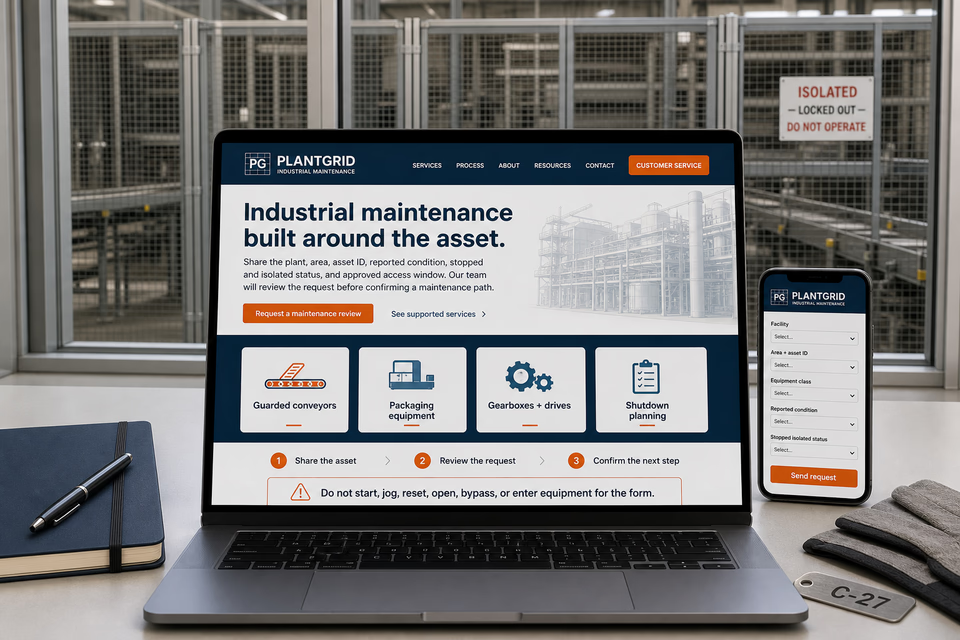
The complete customer system for industrial maintenance companies
Identify the asset. Confirm the controlled state. Keep observations, authorization, parts, and work history connected.
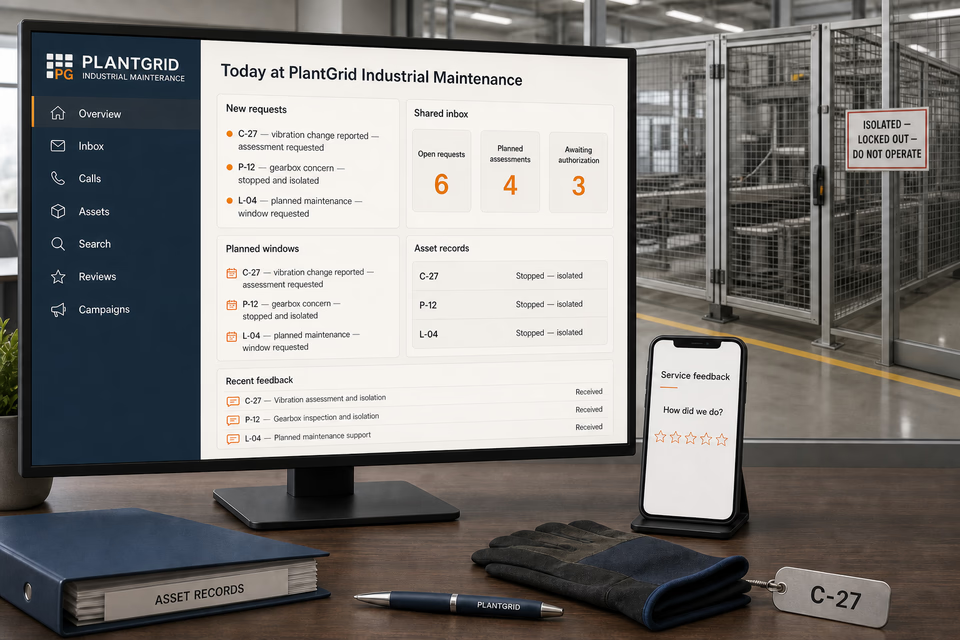
Industrial-maintenance requests begin with the account and facility, area and asset ID, fixed-equipment class, manufacturer and model when known, operator-reported condition, when it occurs, production context, current stopped and isolated status, approved access window, work-order history, safe photos taken outside guarding, site contacts, plant procedures, and authorization limits. We connect the website, calls, messages, local search, planned assessment windows, company-recorded isolation status, conditional observations, estimates, approvals, parts updates, maintenance records, closeout, reviews, and multi-asset planning so plant teams, facility managers, planners, advisors, and technicians keep the same facts without turning a form, photo, alarm, vibration report, or work request into a remote diagnosis, lockout authorization, repair promise, return-to-service decision, production guarantee, compliance statement, or certification.
PlantGrid Industrial MaintenanceWebsite, response, search, reviews, and follow-up
What the complete setup should do
Be useful before, during, and after the service call.
A guarded conveyor section with reported vibration, a gearbox or drive concern, a bearing-temperature report, a packaging-line maintenance request, a planned shutdown, a manufacturer-directed service interval, and a multi-asset maintenance review are different requests. The customer system should organize the exact asset and area, reported behavior, production context, stopped and isolated state, plant-controlled access, maintenance history, technician observations, estimate assumptions, customer authorization, parts status, completed-work record, limitations, deferred items, and next interval while keeping commercial-kitchen equipment, refrigeration and HVAC, elevators and lifts, electrical systems, mobile or heavy equipment, and general building-facility trades on their own qualified paths.
01
Start with the facility, asset, production context, and controlled state
Collect the account and plant, area and asset ID, fixed-equipment class, manufacturer and model when known, operator-reported condition, when it occurs, production context, current stopped and isolated status as confirmed by the facility, approved access window, maintenance history, site contacts, and safe photos taken outside closed guards. Do not ask a customer to start, jog, reset, reach into, open, bypass, remove guarding from, disconnect, test, or enter equipment for the form.
02
Separate the operator report from controlled maintenance observations
Keep reported vibration, noise, heat, wear, leakage, alarms, stoppages, or product-flow behavior distinct from technician observations, plant isolation verification, access limits, external condition findings, test conditions, parts considerations, unresolved questions, and recommendations. A symptom, trend, alarm, or photo does not establish a root cause, safe condition, repair scope, or return-to-service decision.
03
Keep shutdown, isolation, estimate, authorization, and parts decisions attached
Plant procedures, access permits, customer-controlled shutdown and isolation status, maintenance-window assumptions, estimate limits, customer authorization, declined work, parts references and availability, added findings, schedule changes, technician notes, adjacent-specialist referrals, and plant decisions should stay with the same asset and work order. A request or planned window is not authorization to begin work, alter isolation, or expand scope.
04
Close out with an asset maintenance record, not an uptime or compliance guarantee
A practical handoff can organize the asset, reported condition, company-recorded controlled-state observations, customer-authorized maintenance, parts and labor entries, approved closed-guard photos, limitations, deferred items, specialist referrals, and next planned interval. It should document the visit without certifying regulatory compliance, lockout adequacy, guarding, machine safety, production capacity, product quality, uptime, future component life, or return to service.
The industrial maintenance system
Three parts. One customer journey.
Each part is built around planned maintenance intake for supported fixed industrial production and material-handling equipment, asset and work-order records, controlled shutdown and isolation coordination, guarded mechanical condition assessment, customer-authorized maintenance, parts and schedule updates, documented closeout, and multi-asset planning, and every service below links to the full explanation of what it does.
01
Get found for the fixed industrial asset and planned maintenance path the facility actually needs
Give guarded conveyors, packaging equipment, drives, gearboxes, mechanical components, shutdown planning, and asset records distinct room to explain themselves.
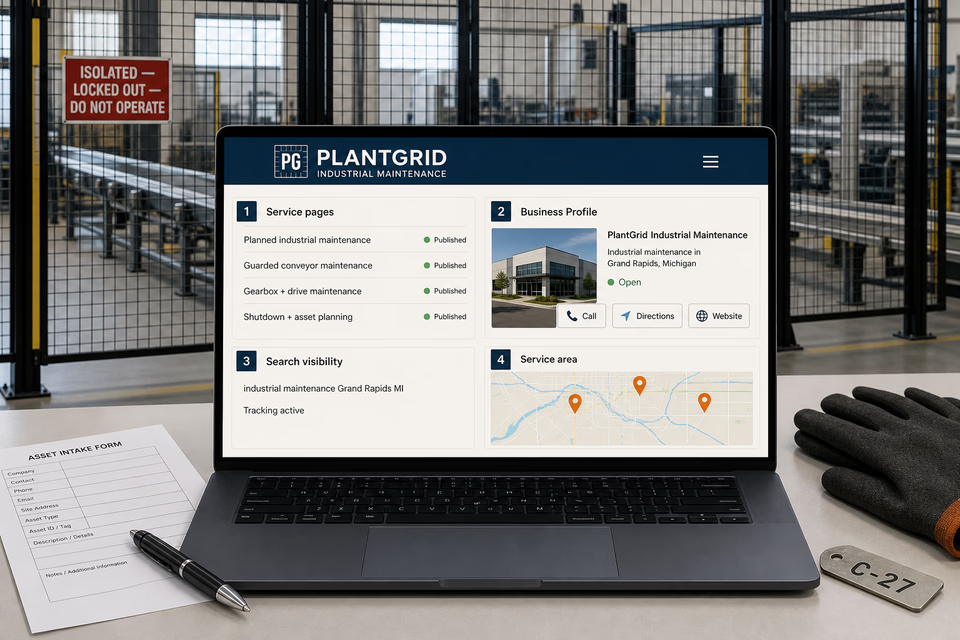
Build focused pages around the fixed industrial equipment and maintenance scopes the company actually supports, its controlled-access and authorization process, documented work, facility types, and service territory. Keep local profiles accurate without ranking, emergency-response, fixed-price, parts, completion-time, downtime reduction, production, energy-savings, safety, compliance, certification, or uptime claims.
Keep the plant, asset, reported condition, isolated status, history, and approved window together
Turn a planner or facility-manager message into a prepared industrial-maintenance request with one owned record.
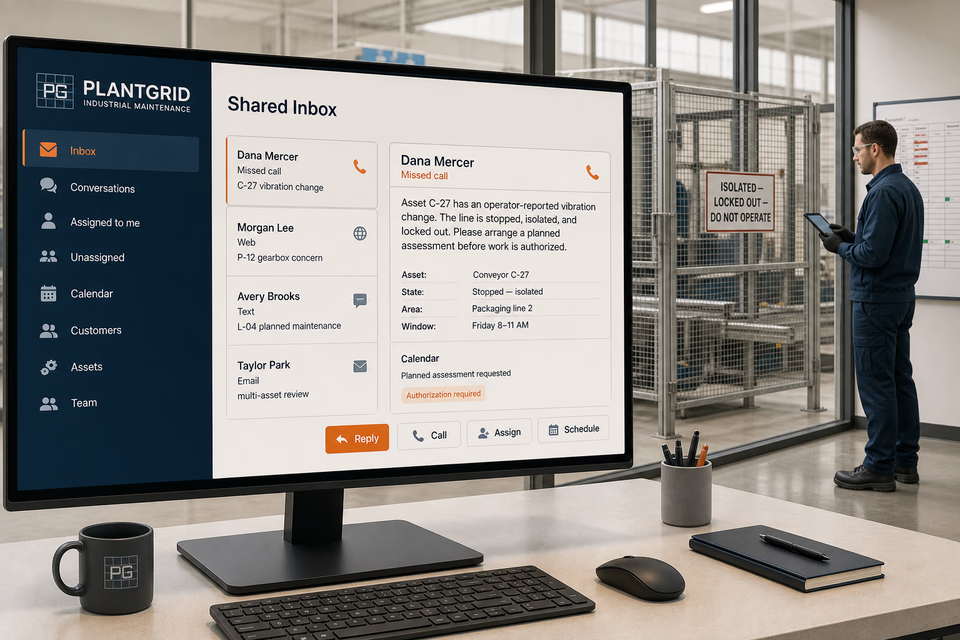
Account, facility, area, asset ID, equipment class, manufacturer and model when known, operator-reported condition, production context, stopped and isolated status as reported, maintenance history, safe outside-guard photos, site contacts, plant procedure references, authorization limits, reply, assignment, and planned assessment window stay attached without asking anyone to operate, expose, energize, enter, or troubleshoot machinery.
Close out with useful asset history and restrained interval planning
Make observations, authorized maintenance, parts, limitations, referrals, and the next planned interval easier to review.
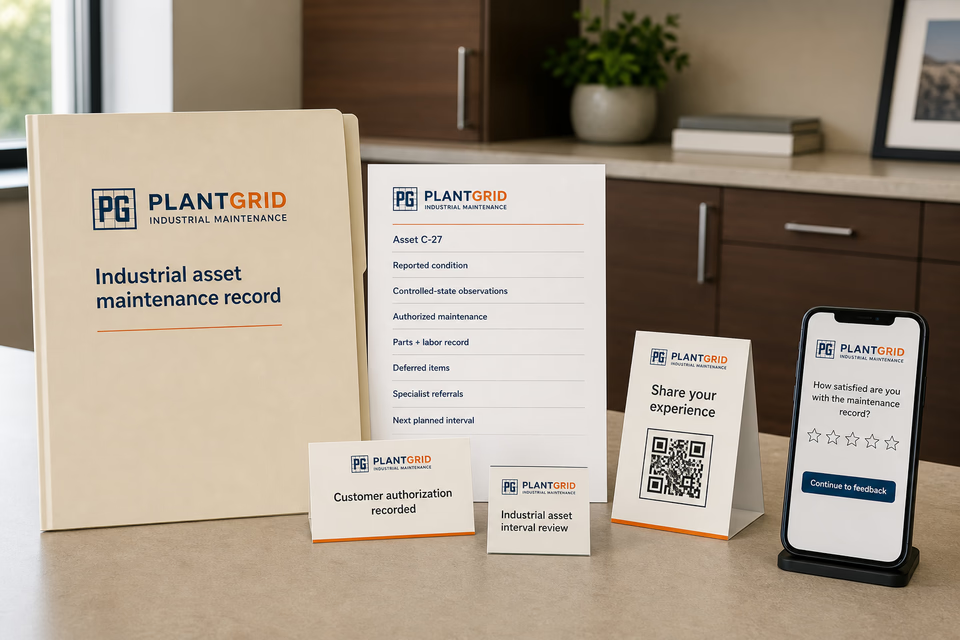
Provide an organized asset record with the reported condition, company-recorded controlled-state observations, customer-authorized maintenance, parts and labor entries, approved closed-guard photos, deferred items, limitations, specialist referrals, and next planned interval. Send restrained planning check-ins without implying that a prior visit assures compliance, safety, production, product quality, uptime, or future equipment life.
Pages built around fixed industrial assets, controlled shutdowns, and documented maintenance paths
One “services” page is not enough.
Guarded conveyors, fixed packaging equipment, gearboxes and drives, bearings and mechanical components, manufacturer-directed intervals, mechanical condition observations, planned shutdown coordination, asset records, and multi-line maintenance planning require different equipment details, production constraints, isolation procedures, access controls, parts, authorization, and documentation. Give each supported industrial-maintenance service a focused request path while routing kitchen, refrigeration, HVAC, elevator, electrical, mobile heavy-equipment, fire-protection, plumbing, and general building-maintenance work to the appropriate distinct profession.
Planned industrial mechanical maintenance
Guarded fixed-conveyor assessment + maintenance
Fixed packaging-equipment maintenance—only for supported machinery
Industrial gearbox + drive maintenance
Bearing + mechanical-component maintenance
Mechanical alignment assessment—only under controlled, qualified procedures
Clear asset records. Plant-controlled isolation. Conditional observations and no uptime promise.
01Is this just an industrial maintenance website package?
No. The website is the front door. The complete setup can connect calls, messages, account and plant details, areas and asset IDs, operator-reported conditions, stopped and isolated status, safe outside-guard photos, maintenance history, the shared inbox, planned access windows, conditional observations, estimates, authorizations, parts updates, completed asset records, reviews, local visibility, print, and interval-planning follow-up around the way the company actually moves a controlled maintenance request from report to documented next step.
02Can the website diagnose machinery or ask a customer to start, jog, reset, open, bypass, or enter it?
No. An operator report, trend, alarm, or safe outside-guard photo can identify a starting point, but operating conditions, production context, isolation, guarding, prior work, multiple faults, access, test results, and what qualified personnel observe can change the assessment and scope. The request path should never direct anyone to operate, energize, expose, enter, release stored energy from, or troubleshoot machinery.
03Can the page promise uptime, production improvement, exact downtime, compliance, certification, machine safety, or return to service?
No. Timing and scope can depend on plant procedures, controlled access, customer authorization, findings, parts, added conditions, coordination, and service capacity. Compliance, isolation, guarding, machine safety, production, quality, and return-to-service decisions depend on the actual asset, facility responsibilities, applicable procedures and requirements, and qualified review; marketing copy and a routine maintenance summary should not replace them.
04How is industrial maintenance different from commercial kitchen service, refrigeration and HVAC, elevators, electrical work, heavy equipment, and general facility trades?
This route is for supported fixed industrial production and material-handling machinery under plant-controlled maintenance conditions. Foodservice equipment, cooling and building climate systems, vertical transportation, electrical distribution and controls, mobile off-road machines, and general building systems have different owners, hazards, qualifications, procedures, records, and authorities and should keep their own profession pages and specialist referrals.
Want to see the complete setup for your industrial maintenance company?
Bring the old site. Or the lack of one.
We will show you how the website, calls, messages, local search, reviews, and follow-up can work as one practical customer system.