The complete customer system for irrigation contractors
Map every zone. Capture every valve. Keep the controller, schedule, and property connected.
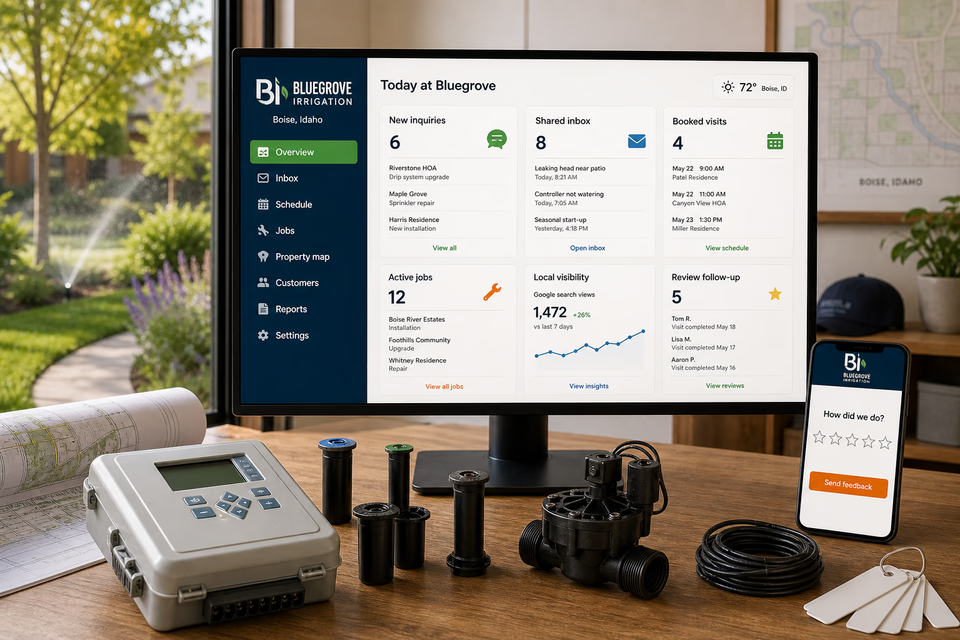
Irrigation customers may be dealing with dry areas, heads that do not rise, overspray, a leaking valve, controller confusion, a new landscape, a seasonal startup, winterization, or a larger HOA or commercial property. We connect the website, calls, messages, site and zone details, controller photos, appointments, estimates, approvals, job updates, service records, reviews, and follow-up so the customer understands the next step and the contractor keeps every part of the system attached to the right property.
Bluegrove IrrigationWebsite, response, search, reviews, and follow-up
What the complete setup should do
Be useful before, during, and after the service call.
A useful irrigation request starts with the property type, affected area or zone, visible symptoms, controller details, system age when known, water-source context, safe photos, landscape changes, access, service history, and season. The customer system should organize those facts without promising a water-savings percentage, exact spray coverage, code compliance, a fixed price, same-day service, or a guaranteed landscape or repair outcome before the site is evaluated.
01
Qualify the property and affected zone first
The request path should collect the property type, service address, affected lawn or planting area, zone number when known, visible symptoms, controller behavior, recent landscape work, access notes, and safe photos so the team arrives with useful context without treating the customer's observations as a final diagnosis.
02
Separate repair, installation, drip, and controller work
A broken head, stuck valve, wiring concern, controller change, new spray zone, drip conversion, seasonal startup, winterization, and commercial property request need distinct qualification paths. Each path should clarify the likely site review and handoff without promising exact coverage, savings, or an outcome before measurements and testing.
03
Keep the layout, valves, controller, and approvals together
Zone maps, head and nozzle notes, valve locations, controller model and settings, pressure or flow observations, plant and hardscape context, proposed changes, estimate approvals, property contacts, and schedule updates should remain attached to the same property and job rather than becoming scattered calls and texts.
04
Close out with a practical irrigation record
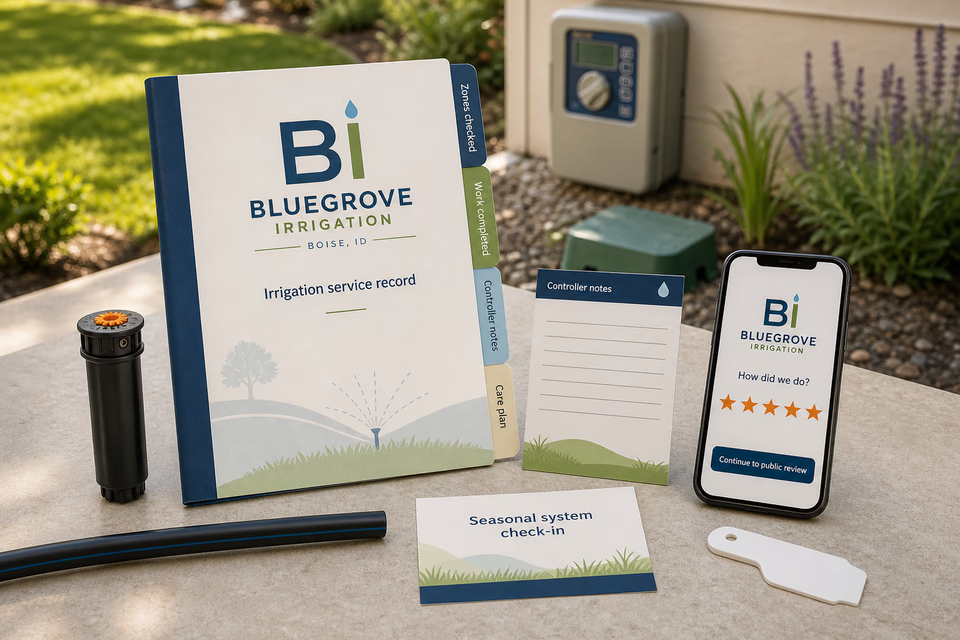
A useful handoff can organize the zones checked, work completed, controller notes, parts used, photos, customer feedback, and a restrained seasonal care plan. It should document observed conditions and company recommendations without guaranteeing future coverage, water use, plant health, code status, or system performance.
The irrigation system
Three parts. One customer journey.
Each part is built around sprinkler repair and installation, drip irrigation, valves and zones, controllers, seasonal service, and carefully scoped commercial irrigation work, and every service below links to the full explanation of what it does.
01
Get found for the irrigation scope the property actually needs
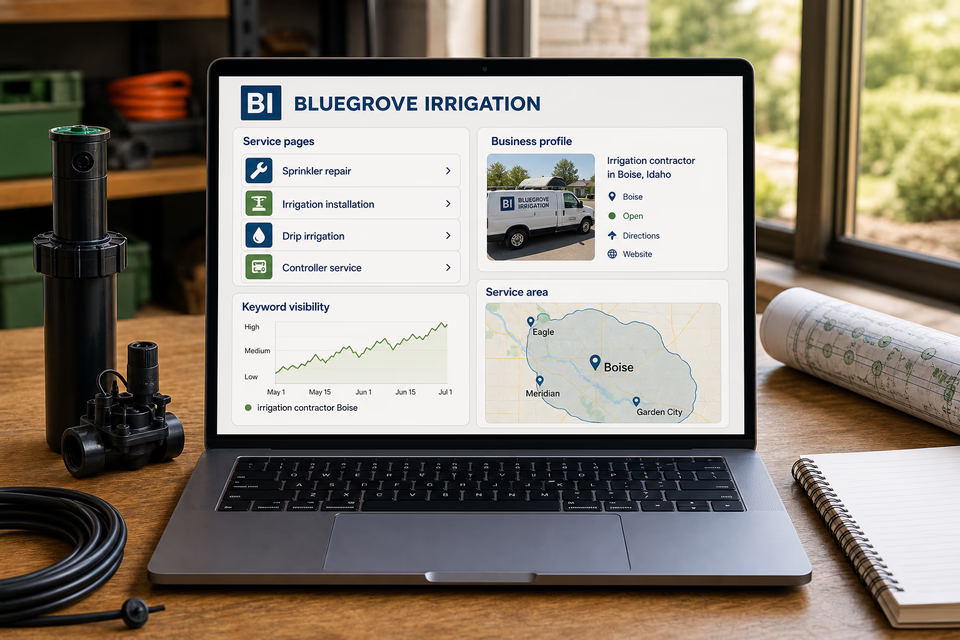
Give sprinkler repair, installation, drip, valve, controller, seasonal, HOA, and commercial work distinct pages.
Build focused pages around the irrigation services the company truly performs, the property types supported, the proof customers should provide, and the communities actually covered. Keep local visibility accurate without savings, coverage, ranking, timing, pricing, licensing, code-compliance, warranty, or outcome claims.
Turn a zone or controller concern into a prepared site visit
Keep the property, affected area, zone, controller, safe photos, and schedule together.
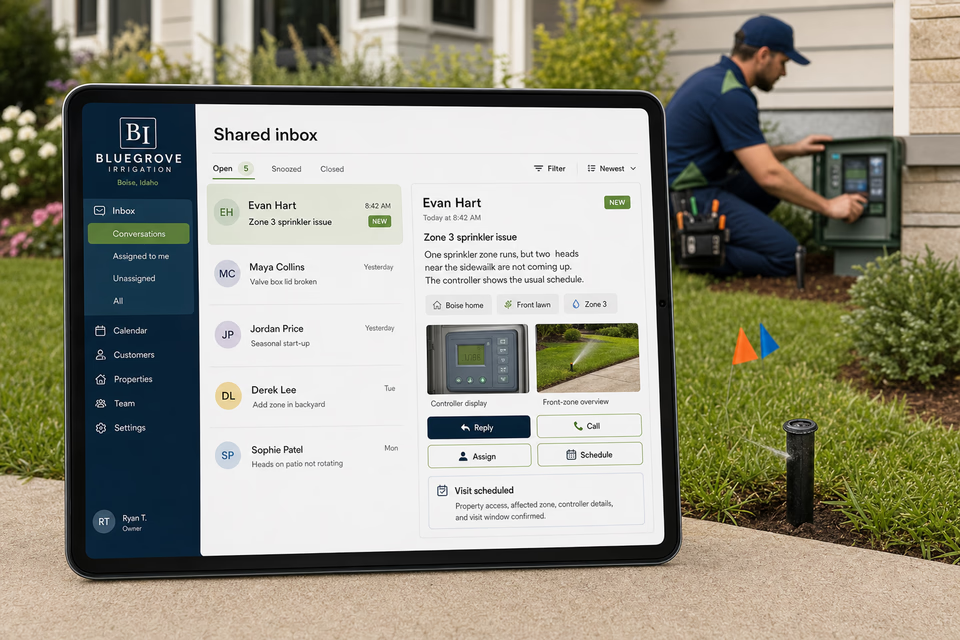
A form, missed call, or message can become one owned conversation. Property type, zone details, visible symptoms, controller behavior, landscape changes, safe photos, access, reply, assignment, and visit window stay attached for the office and field team without asking the customer to open wiring compartments or perform technical troubleshooting.
Make the completed work easier to confirm, reference, and revisit seasonally.
Provide an organized service record with zones checked, work completed, controller notes, parts, care guidance, and a feedback path. Send restrained startup, winterization, or seasonal system check-ins only when they fit the local climate and actual company offer, without promising savings or future performance.
Pages built around the property, zone, and controller path
One “services” page is not enough.
Sprinkler repair, new irrigation installation, head and nozzle work, valves, controllers, drip systems, seasonal startup, winterization, landscape-change coordination, HOA properties, and commercial sites are different scopes. Give each service the company genuinely performs a focused path that explains what the customer should document, how the site visit proceeds, and where the scope stops without claiming universal coverage, savings, compliance, or results.
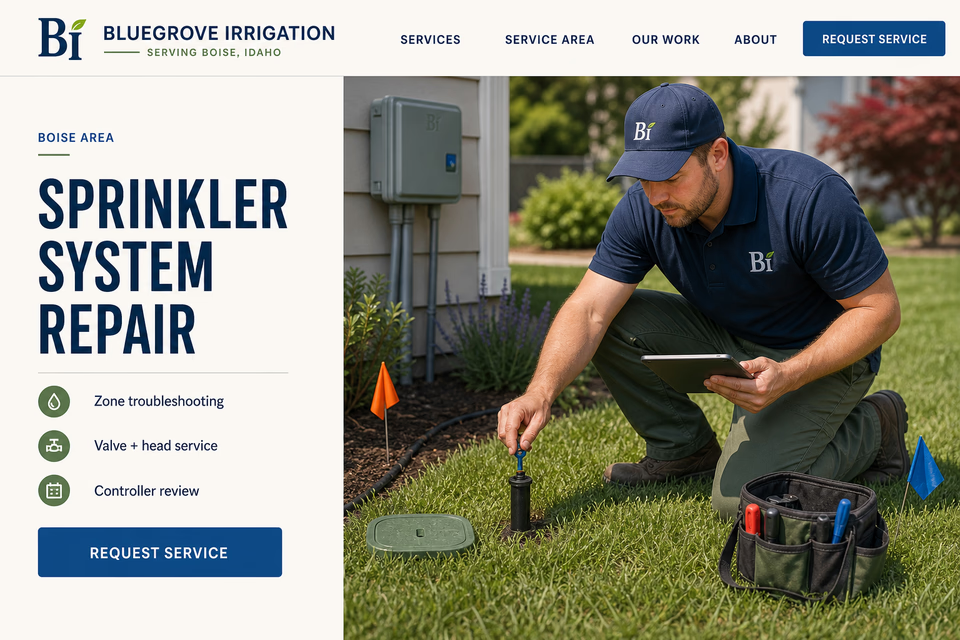
Sprinkler system repair
Irrigation system installation
Sprinkler head + nozzle service
Valve + zone repair
Irrigation controller replacement + programming
Drip irrigation installation + repair
Seasonal startup + system inspection
Irrigation winterization—where genuinely offered
Irrigation changes for landscape renovations
HOA + property-management irrigation service
Commercial irrigation service
Backflow-related irrigation coordination—only within qualified and authorized scope
Service-area pages for the communities you really cover
From search to the next job
The handoffs are the whole point.
The website should not end at a form, and a completed job should not end at an invoice. Each useful step gives the next person context.
01
They find the right service
A useful page or local listing matches the problem and gives the customer one obvious way to act.
02
The request stays alive
The call, form, or message lands in the same customer record with the service, location, and conversation attached.
03
A person owns the next step
The owner or office can reply, call, qualify, assign, and schedule with the history already in front of them.
04
The finished job keeps working
Feedback, reviews, print, referrals, and useful customer follow-up help one completed job create the next opportunity.
Irrigation contractor questions, straight answers
Clear zones. Useful controller records. No savings, coverage, code, or outcome guarantees.
01Is this just an irrigation contractor website package?
No. The website is the front door. The complete setup can connect calls, texts, forms, property and zone details, safe photos, controller information, the shared inbox, appointments, estimates, approvals, job updates, zone maps, controller records, reviews, local search, print, and branding around the way the irrigation company actually moves a request from first contact to documented service.
02Can the website promise a specific water-savings percentage or perfect sprinkler coverage?
No. Water use and distribution depend on the site, pressure and flow, equipment, zoning, soil, slopes, plants, weather, schedules, maintenance, and how the system is operated. The site can explain the contractor's assessment and design process, but it should not convert an estimate or improvement into a universal savings or coverage guarantee.
03Can the page guarantee that an irrigation system is code compliant or needs no permit or backflow work?
No. Local requirements, permits, water-provider rules, backflow protection, electrical connections, and inspection responsibilities can vary by jurisdiction and scope. Describe only the company's real qualifications and coordination process, and confirm applicable requirements for the specific property and project.
04Should landscape design, planting, main-water plumbing, wells, pumps, and backflow testing all appear as irrigation services?
Only when the company genuinely provides them. Irrigation often coordinates with landscapers, plumbers, well and pump specialists, electricians, and qualified backflow professionals, but the page should keep adjacent scopes distinct and route work outside the contractor's actual offer to the appropriate trade.
Want to see the complete setup for your irrigation contractor?
Bring the old site. Or the lack of one.
We will show you how the website, calls, messages, local search, reviews, and follow-up can work as one practical customer system.