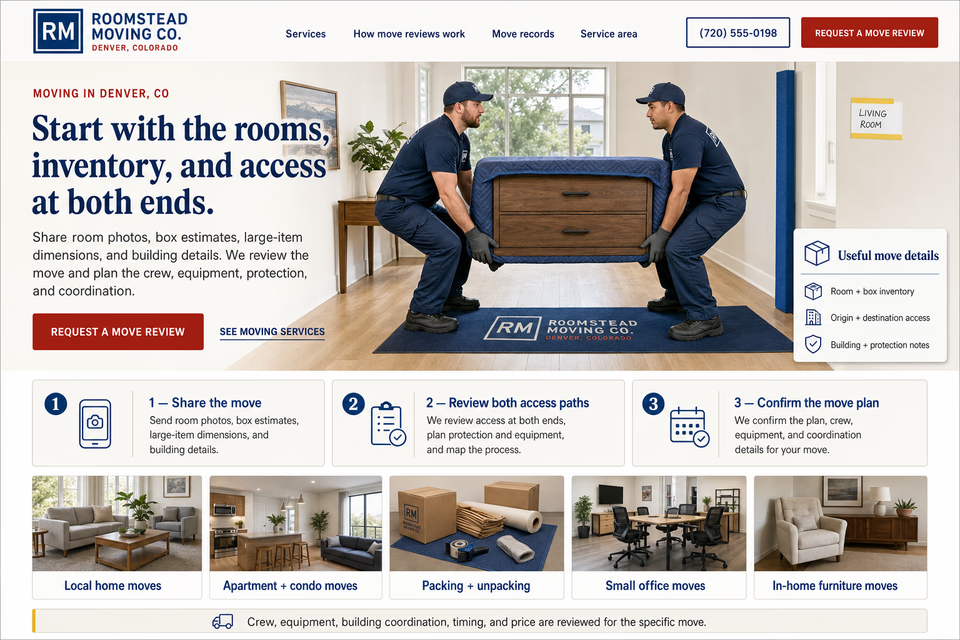
List the rooms and items. Confirm access at both ends. Keep the move plan attached.
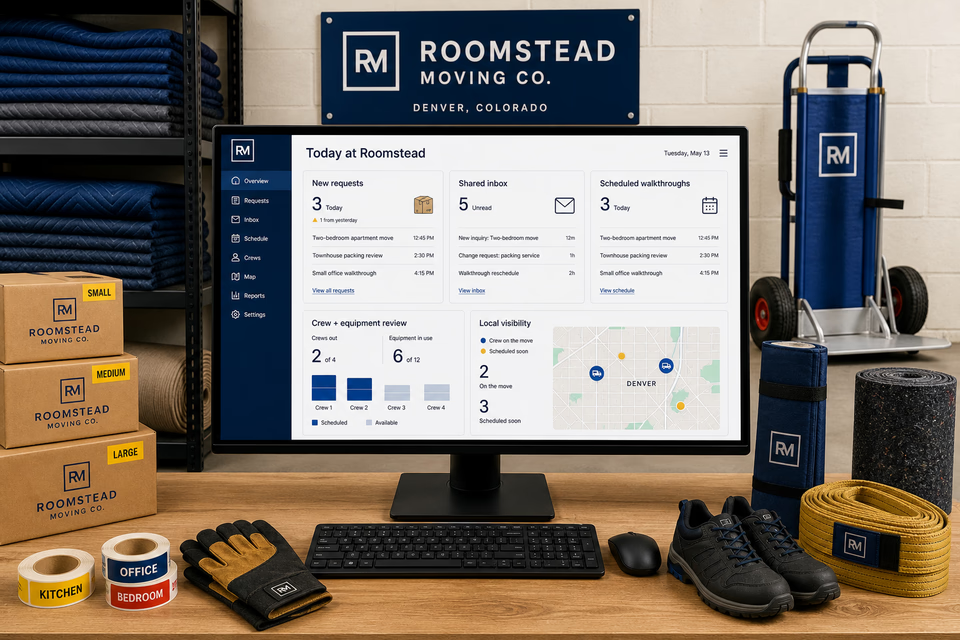
Moving customers arrive with rooms, furniture, boxes, dates, stairs, elevators, loading rules, parking questions, and a destination that may have different access from the origin. We connect the website, calls, messages, local search, reviews, and follow-up so inventory photos, room labels, building notes, walkthroughs, proposed scope, coordination items, project updates, and closeout stay together.
Roomstead Moving Co.Website, response, search, reviews, and follow-up
What the complete setup should do
Be useful before, during, and after the service call.
A local home move, apartment, townhome, office, packing request, storage load, and in-home furniture move can share a crew but not one generic plan. The system should improve the first conversation without exposing private addresses, promising crew or truck timing, assuming elevator or loading-zone approval, guaranteeing price or damage-free results, or claiming interstate authority or licensing that the company has not established.
01
Start with rooms, inventory, and priority items
Ask which rooms are moving, approximate box counts, large or fragile items, customer-packed versus company-packed scope, furniture measurements, items that need special review, desired move window, and which photos or inventory lists are available without collecting unnecessary private information.
02
Map access at the origin and destination
Stairs, elevators, hallways, door widths, loading areas, parking, long carries, building hours, certificates or reservations requested by a property, pets, floor protection, and destination layout can change the crew, equipment, coordination, and schedule.
03
Keep the inventory and move plan attached
Room labels, inventory photos, large-item dimensions, origin and destination access, building contacts shared appropriately, protection notes, proposed scope, exclusions, coordination status, project updates, condition observations, and customer messages should stay with one move record.
04
Close out without inventing a damage-free promise
A useful closeout can document room delivery, inventory groups, protection used, condition observations, exceptions, photos, customer feedback, and later service notes without promising that no item, wall, floor, doorway, or building surface could be damaged or that every timing expectation was guaranteed.
The moving system
Three parts. One customer journey.
Each part is built around local home moves, apartments and condos, townhomes, small offices, packing, furniture handling, storage loading, and in-home moves, and every service below links to the full explanation of what it does.
01
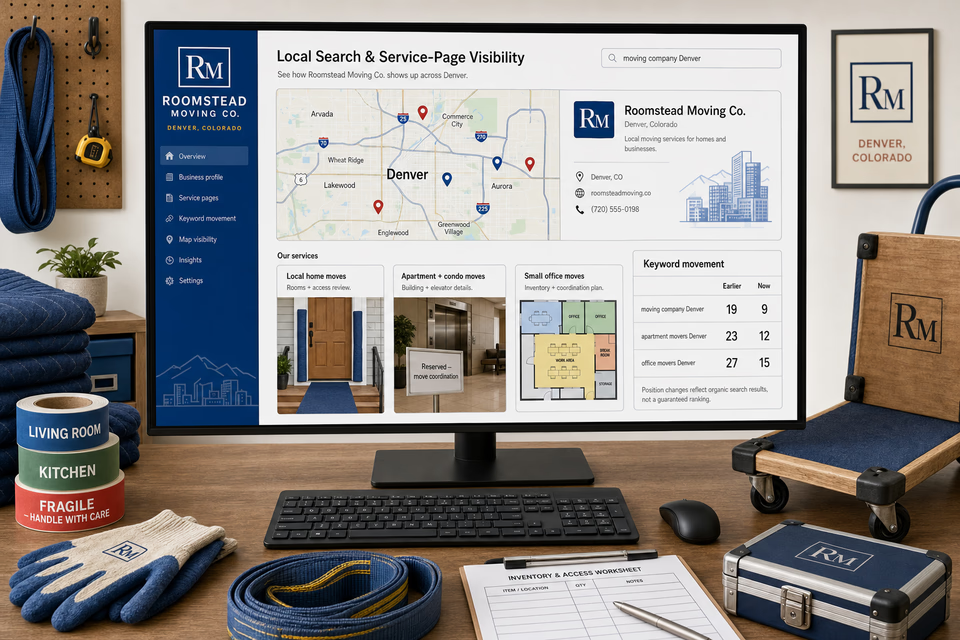
Get found for the move and building type people actually need
Give homes, apartments, offices, packing, storage, and in-home moves distinct proof.
Build focused pages around the real moving services, inventory review, access planning, building coordination, protection practices, documented moves, and communities the company genuinely serves. Aim local search and ads at those specific offers instead of one generic moving page.
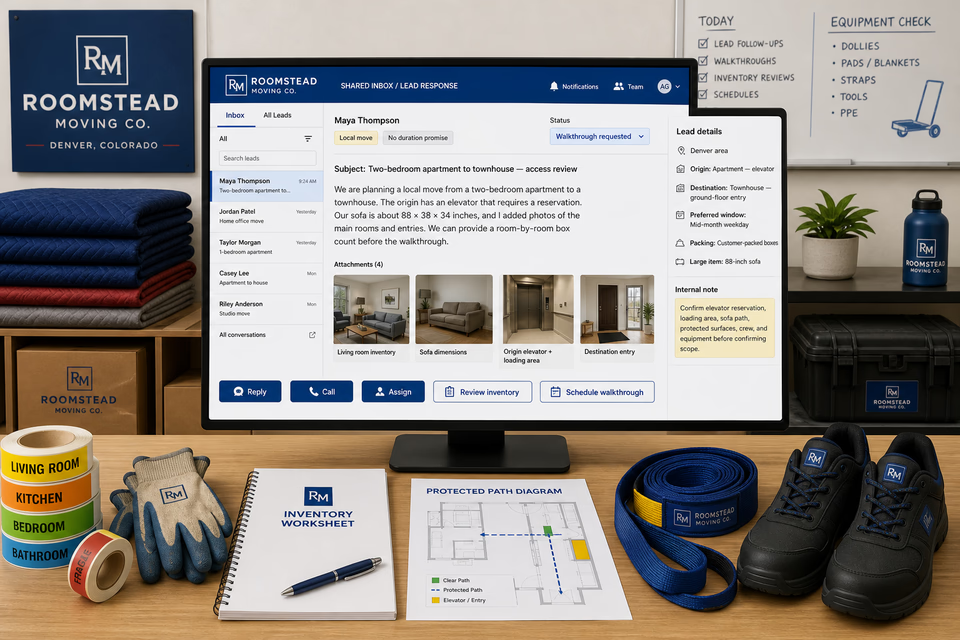
Keep the rooms, items, dimensions, photos, access, building rules, and timing preferences together.
A missed call can become a structured conversation. The origin and destination types, room inventory, large and fragile items, attachments, stairs and elevators, loading notes, pets, packing scope, and preferred timing stay together so the team can review the move without quoting, assigning resources, or promising a duration remotely.
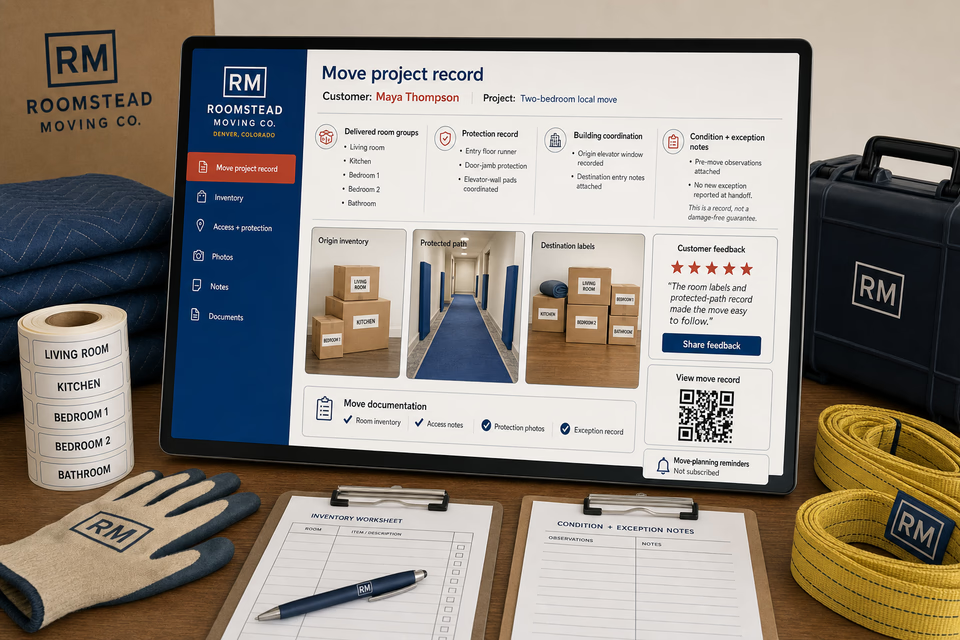
Package the delivered room groups, protection notes, project photos, feedback, and exceptions.
Share a concise move summary, organize visible progress by room or inventory group, document questions or exceptions, ask how the experience went, make a public review easy, and keep a restrained path open for later moving help when the customer has agreed to hear from you.
Homes, apartments, townhomes, offices, packing, storage, and in-home moves need different inventory, access, building coordination, protection, equipment, and proof. Focused pages help customers request the right walkthrough without promising price, availability, move duration, arrival time, staffing, truck capacity, building approval, damage-free handling, or interstate service before the move is reviewed.
Local home moves
Apartment + condo moves
Townhome moves
Small office moves
Packing + unpacking
Furniture disassembly + reassembly
Labor-only moving help
In-home furniture moves
Storage loading + unloading
Move-out + move-in coordination
Service-area pages for the communities you really cover
From search to the next job
The handoffs are the whole point.
The website should not end at a form, and a completed job should not end at an invoice. Each useful step gives the next person context.
01
They find the right service
A useful page or local listing matches the problem and gives the customer one obvious way to act.
02
The request stays alive
The call, form, or message lands in the same customer record with the service, location, and conversation attached.
03
A person owns the next step
The owner or office can reply, call, qualify, assign, and schedule with the history already in front of them.
04
The finished job keeps working
Feedback, reviews, print, referrals, and useful customer follow-up help one completed job create the next opportunity.
Moving company questions, straight answers
Show the rooms. Label the large items. Confirm the path at both ends.
01Can a moving company quote the move from a room list and photos?
A room list, box estimate, photos, furniture dimensions, and access notes can make the review more useful, but they may not establish the complete inventory, weight, disassembly, packing condition, carry distance, stair or elevator constraints, parking, building rules, crew, truck, equipment, or final scope. Use them to prepare the walkthrough, not promise a final price or duration.
02Can the website promise an exact arrival time or move duration?
Only when the company can accurately support that commitment for the specific move. Traffic, prior work, elevators, loading access, inventory changes, building rules, weather, and site conditions can affect timing, so general marketing should not guarantee arrival, completion, or a fixed number of hours.
03Can a mover promise that nothing will be damaged?
No. Good planning, team handling, wrapping, protected paths, equipment, and condition notes can reduce risk and create a clearer record, but marketing should not promise damage-free items, walls, floors, doors, elevators, or common areas.
04Should a local mover page claim interstate authority, licensing, or insurance coverage?
Only when the exact claim is current, relevant, and supported by the company's real registrations, authority, policies, service area, and documentation. A local profession page should not imply interstate service or legal and insurance status by default.
Want to see the complete setup for your moving company?
Bring the old site. Or the lack of one.
We will show you how the website, calls, messages, local search, reviews, and follow-up can work as one practical customer system.