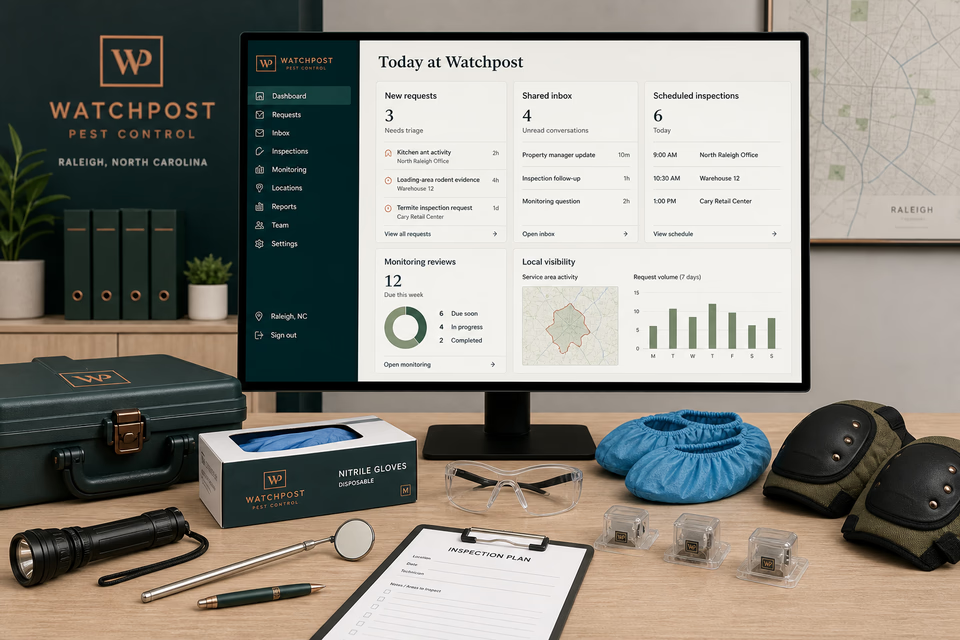
The complete customer system for pest control companies
Show the activity and location. Inspect the site. Keep the findings attached.
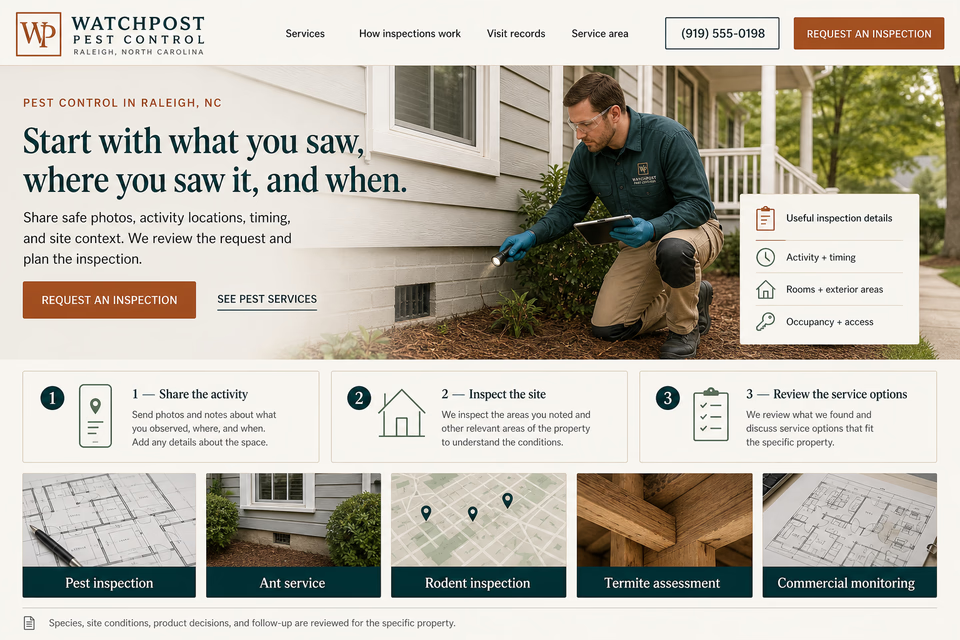
Pest-control customers often call after seeing insects, droppings, nesting material, damage, unusual activity, or a recurring seasonal pattern. We connect the website, calls, messages, local search, reviews, and follow-up so safe photos, room and exterior locations, inspection observations, monitoring records, proposed scope, appointments, visit notes, and follow-up stay together.
Watchpost Pest ControlWebsite, response, search, reviews, and follow-up
What the complete setup should do
Be useful before, during, and after the service call.
Ants, cockroaches, rodents, spiders, stinging insects, termites, pantry pests, and commercial monitoring involve different evidence, access, building conditions, service boundaries, product records, and follow-up. The system should improve the first conversation without identifying a species from a blurry photo, explaining pesticide handling, promising immediate response, or guaranteeing eradication, safety, health, or prevention.
01
Start with the activity, location, and timing
Ask what the customer saw, where and when it appeared, whether the activity is recurring, which safe photos are available, what rooms or exterior areas are involved, who and what uses the space, and how the technician can access the relevant areas.
02
Separate inspection, monitoring, and service paths
Ant trails, cockroach activity, rodent evidence, spiders, stinging insects, termite concerns, pantry pests, and commercial monitoring need different observations, building context, preparation, service plans, records, and follow-up.
03
Keep the site findings attached
Room and exterior photos, activity locations, inspection observations, building and sanitation notes, monitoring records, proposed service scope, preparation instructions approved by the company, product records, appointments, follow-up observations, and customer messages should stay with one service record.
04
Close out without inventing an eradication promise
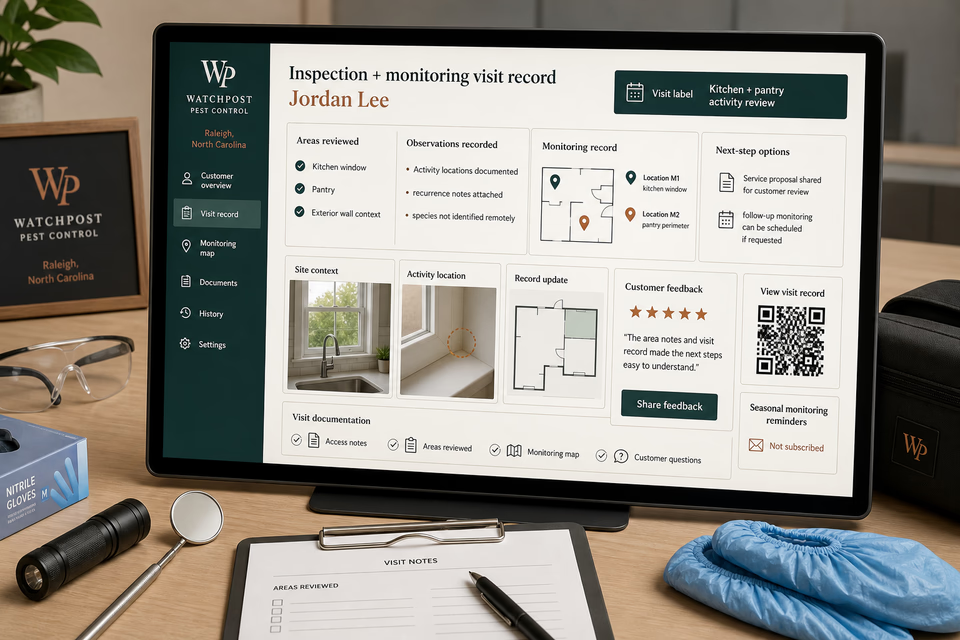
A useful visit record can document inspected areas, observations, monitoring locations, agreed service, exclusion or maintenance notes, photos, customer feedback, and follow-up timing without guaranteeing elimination, prevention, safety, health, non-toxicity, or a pest-free property.
The pest control system
Three parts. One customer journey.
Each part is built around pest inspections, monitoring, ant and cockroach service, rodent observations, termite assessment, exclusion planning, and commercial pest programs, and every service below links to the full explanation of what it does.
01
Get found for the activity people are trying to understand
Give inspections, ants, cockroaches, rodents, termites, and commercial monitoring distinct proof.
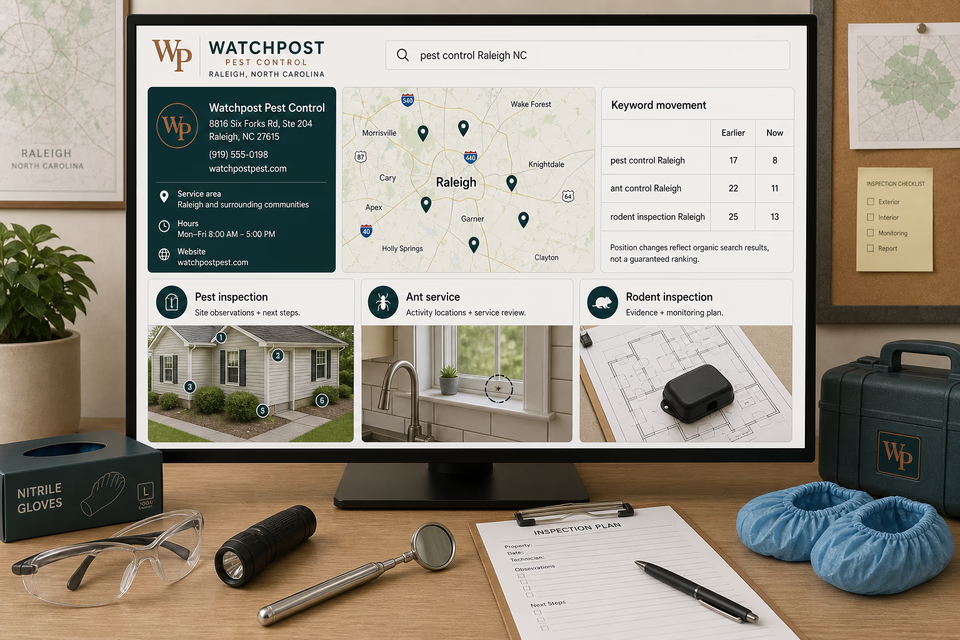
Build focused pages around the real pest services, inspection process, site observations, monitoring records, documented visits, preparation expectations, and communities the company genuinely serves. Aim local search and ads at those specific offers instead of one generic pest page.
Make the first inspection conversation more useful
Keep the activity, location, timing, safe photos, occupancy, access, and priorities together.
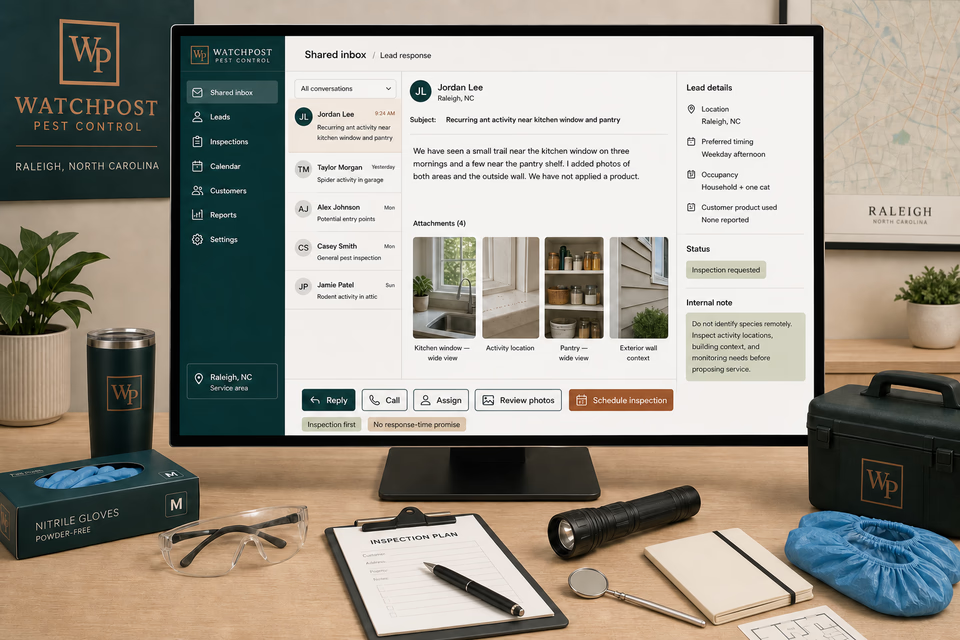
A missed call can become a structured conversation. The visible activity, rooms or exterior zones, attachments, recurrence, household or site context, access, and preferred timing stay together so the team can review the request and schedule an inspection without identifying a species remotely or promising arrival or treatment.
Finish with a clear inspection and monitoring record
Package the observed areas, monitoring notes, visit photos, feedback, and next review.
Share a concise visit summary, organize observations and monitoring by area, ask how the experience went, make a public review easy, and keep a restrained path open for a later service or monitoring review when the customer has agreed to hear from you.
Inspections, ants, cockroaches, rodents, spiders, stinging insects, termites, pantry pests, and commercial programs need different observations, preparation, monitoring, proof, and follow-up. Focused pages help customers request the right inspection without promising availability, treatment, price, species identification, eradication, health protection, or a specific outcome before the site is reviewed.
General pest inspection + monitoring
Ant control service
Cockroach control service
Rodent inspection + monitoring
Spider control service
Stinging-insect assessment
Termite inspection + service planning
Pantry-pest inspection
Exterior pest monitoring
Commercial pest monitoring programs
Service-area pages for the communities you really cover
From search to the next job
The handoffs are the whole point.
The website should not end at a form, and a completed job should not end at an invoice. Each useful step gives the next person context.
01
They find the right service
A useful page or local listing matches the problem and gives the customer one obvious way to act.
02
The request stays alive
The call, form, or message lands in the same customer record with the service, location, and conversation attached.
03
A person owns the next step
The owner or office can reply, call, qualify, assign, and schedule with the history already in front of them.
04
The finished job keeps working
Feedback, reviews, print, referrals, and useful customer follow-up help one completed job create the next opportunity.
Pest control questions, straight answers
Show the activity. Mark the location. Keep product decisions with the service team.
01Can a pest-control company identify the pest and quote service from customer photos?
Photos can clarify the visible activity, approximate size, location, and site context, but they may not establish the species, source, extent, building conditions, monitoring needs, treatment scope, product requirements, or follow-up. Use them to prepare the inspection, not promise identification or a final price.
02Should a profession page explain how to mix, apply, or place pesticides?
No. Public marketing should describe the inspection and service process at a useful level while leaving product selection, label directions, protective measures, application, placement, storage, and disposal to the company and qualified service personnel following applicable requirements.
03Can the website promise that pests will be gone or that a service is safe for everyone?
No. Site conditions, access, sanitation, neighboring activity, building openings, species behavior, weather, follow-up, and how spaces are used can affect results. Avoid eradication, prevention, health, non-toxicity, child-safe, pet-safe, or universal-safety guarantees unless an exact statement is supported and appropriately qualified.
04What pest-activity photos are useful and safe to request?
Ask for the activity or evidence from a normal standing distance, a wide view of the room or exterior zone, nearby openings or food and water sources visible without moving fixtures, and labels on any customer-owned product already used. Do not ask customers to touch pests, nests, droppings, traps, damaged materials, unknown substances, or enter a risky area.
Want to see the complete setup for your pest control company?
Bring the old site. Or the lack of one.
We will show you how the website, calls, messages, local search, reviews, and follow-up can work as one practical customer system.