The complete customer system for portable sanitation companies
Know the site. Plan the unit mix. Keep placement, visits, and pickup connected.
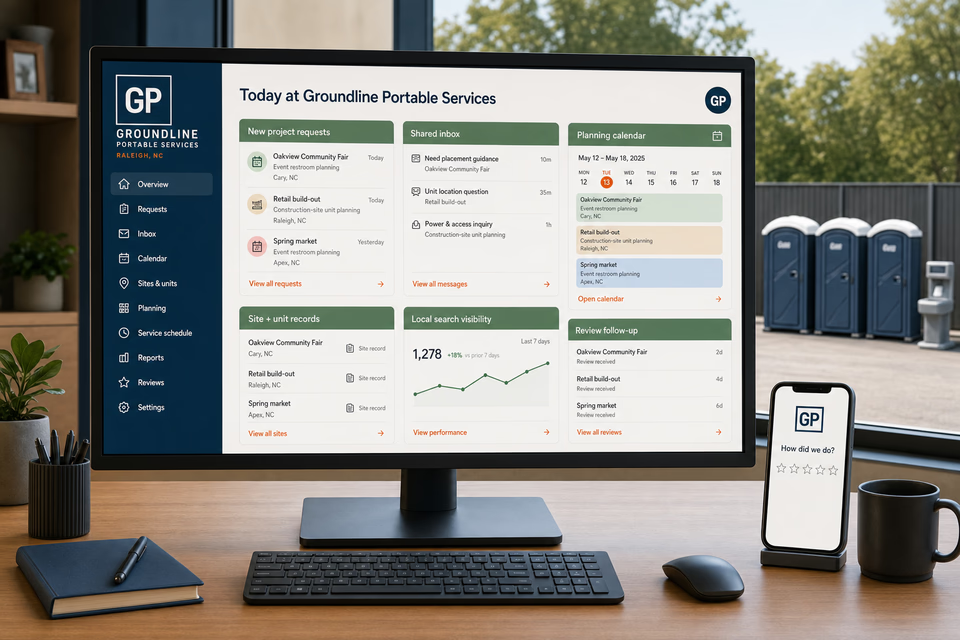
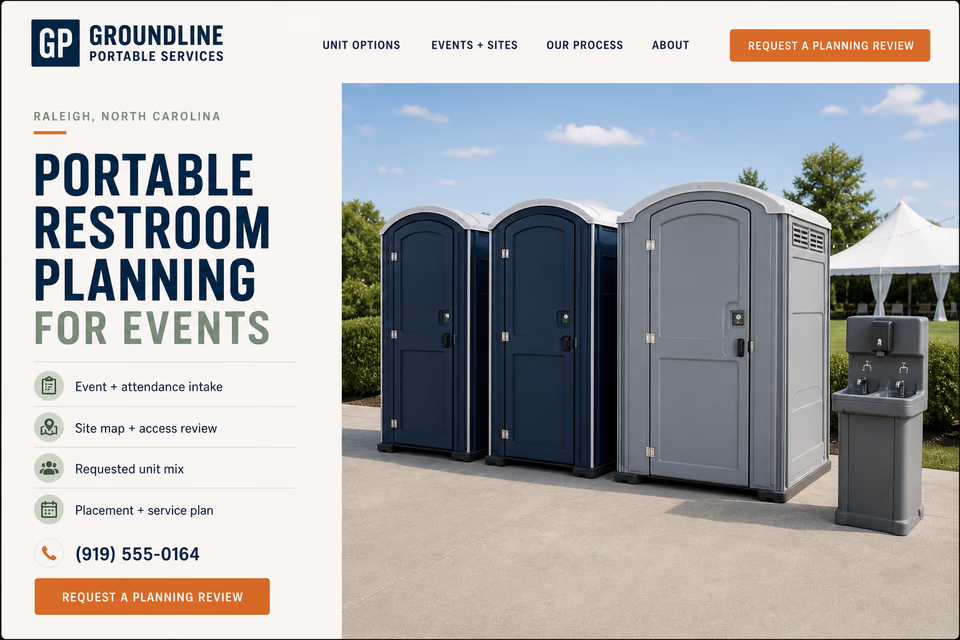
Portable restroom requests begin with the project or event type, dates, public or work hours, customer-provided attendance or workforce estimate, site map, surface, pedestrian and service access, placement preferences, delivery contact, requested unit mix, and scheduled-visit needs. We connect the website, calls, messages, local search, site and access review, selected-unit confirmation, placement planning, delivery and pickup coordination, scheduled-visit records, reviews, and future-project follow-up without turning an early estimate or map into a confirmed quantity, capacity, placement, availability, price, delivery time, service schedule, accessibility determination, site approval, or sanitation outcome.
Groundline Portable ServicesWebsite, response, search, reviews, and follow-up
What the complete setup should do
Be useful before, during, and after the service call.
A community fair, construction project, wedding, park event, commercial property need, and multi-day festival each create different dates, attendance estimates, surfaces, access routes, requested units, placement considerations, and visit plans. The customer system should preserve what the customer requested, what the company reviewed, the selected unit record, approved site plan, delivery contact, placement photos, scheduled-visit log, pickup condition, and customer feedback while keeping septic pumping, dumpster rental, cleaning and restoration, and plumbing on distinct operating paths.
01
Start with the project, dates, hours, and customer estimate
Collect the event or project type, dates, public or work hours, customer-provided attendance or workforce estimate, expected use pattern, requested unit types, and onsite contact. Keep estimates labeled as customer inputs so the company can review them rather than presenting a form as a final unit count or service plan.
02
Review the site map, surface, access, and placement request
The intake should organize the site map, surface, pedestrian routes, service access, gate or clearance notes, placement preferences, event or construction boundaries, delivery contact, and local site restrictions the customer identifies. The company still needs to review the actual site and its operating requirements before confirming placement or a delivery and pickup path.
03
Keep the requested mix separate from the confirmed record
Standard units, wider units, handwashing stations, dates, scheduled visits, and other requested options should remain clearly labeled until the company reviews the site, equipment, schedule, service route, and current inventory. Selected units, accepted placement, customer decisions, and changes should then become part of the owned project record.
04
Close out with useful site, visit, and pickup records
A practical handoff can organize the project dates, selected units, placement photos, scheduled-visit log, delivery and pickup notes, pickup condition, changes, customer decisions, and feedback. It should document what occurred without promising a future quantity, availability, placement, service schedule, site condition, or sanitation result.
The portable sanitation system
Three parts. One customer journey.
Each part is built around planned portable restroom and handwashing-station rentals for events and construction sites, project and attendance intake, site-map and access review, requested unit mix, placement and scheduled-visit planning, delivery-contact coordination, selected-unit records, pickup condition, and customer follow-up, and every service below links to the full explanation of what it does.
01
Get found for the project and portable-unit planning customers actually need
Give events, construction sites, standard units, accessible-unit planning, handwashing stations, scheduled visits, and delivery coordination distinct room to explain themselves.
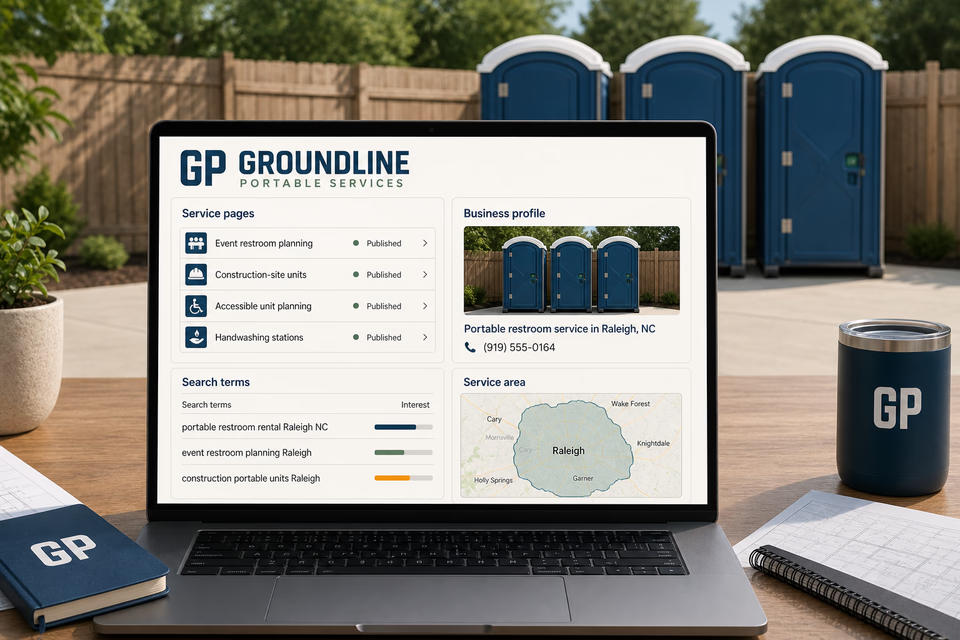
Build focused pages around the projects, unit types, and planning services the company truly supports, the site and access details needed to begin review, and the communities covered. Keep local profiles accurate without ranking, capacity, quantity, accessibility, compliance, availability, price, delivery-time, placement, sanitation, or outcome claims.
Keep the project, dates, site map, access, and requested mix together
Turn an event or jobsite message into a reviewable request with one owned record.
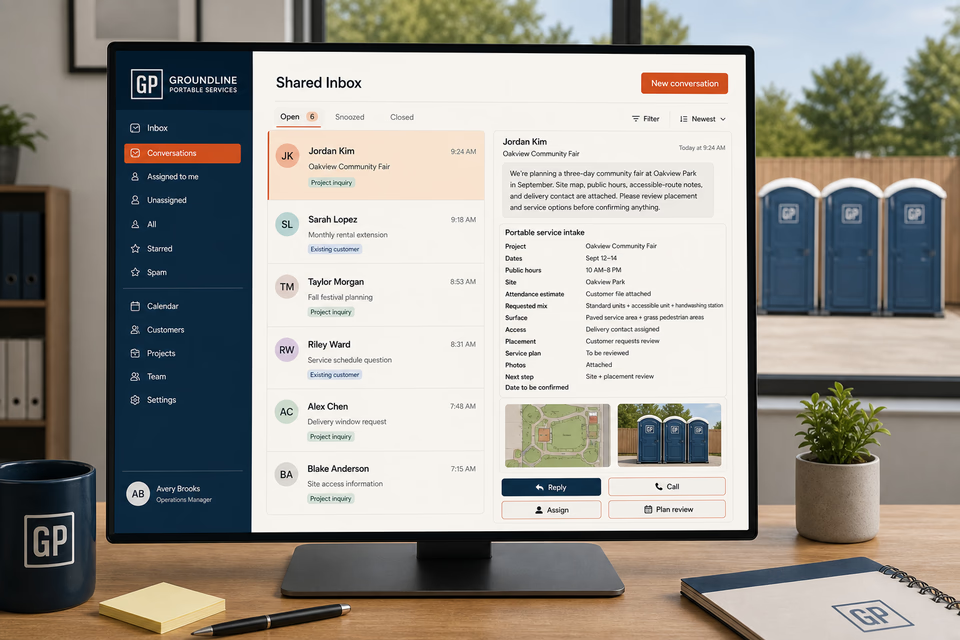
Project type, dates, hours, customer-provided estimate, site map, surface, pedestrian and service access, requested units, delivery contact, placement preferences, attachments, reply, assignment, and next review step stay attached. The team can request missing details before confirming selected units, placement, visits, delivery, or pickup.
Make selected-unit records, placement photos, scheduled visits, pickup notes, and future planning easier to review.
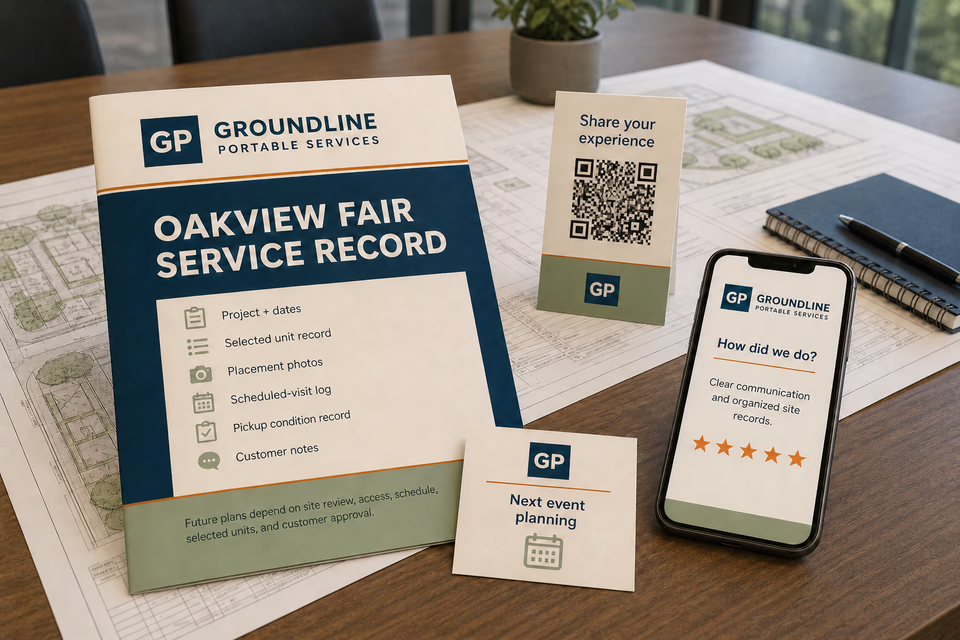
Provide an organized record with the project and dates, selected units, approved site notes, placement photos, scheduled-visit log, delivery and pickup entries, pickup condition, changes, and customer feedback. Send restrained future-project reminders without implying priority, availability, capacity, quantity, placement, service timing, or sanitation results.
Pages built around real event, jobsite, unit, and service-planning needs
One “services” page is not enough.
Standard portable restrooms, accessible-unit planning, handwashing stations, fairs, festivals, weddings, construction sites, parks, temporary commercial needs, multi-day service plans, delivery and pickup coordination, and multi-site accounts create different intake and proof requirements. Give each unit or project type the company genuinely supports a focused page that explains what begins the review, how site and access details are organized, how the selected unit mix and placement are documented, and where the scope stops. Keep septic systems, roll-off dumpsters, disaster cleanup, janitorial work, and plumbing repair on their own profession routes.
Event portable restroom planning
Construction-site portable restrooms
Accessible portable unit planning
Handwashing station rentals
Multi-day event service planning
Jobsite unit placement planning
Festival + community fair portable units
Wedding + private event portable units
Park + recreation site planning
Temporary commercial property units
Scheduled-visit planning
Delivery + pickup coordination
Multi-site account records
Service-area pages for the communities you really cover
From search to the next job
The handoffs are the whole point.
The website should not end at a form, and a completed job should not end at an invoice. Each useful step gives the next person context.
01
They find the right service
A useful page or local listing matches the problem and gives the customer one obvious way to act.
02
The request stays alive
The call, form, or message lands in the same customer record with the service, location, and conversation attached.
03
A person owns the next step
The owner or office can reply, call, qualify, assign, and schedule with the history already in front of them.
04
The finished job keeps working
Feedback, reviews, print, referrals, and useful customer follow-up help one completed job create the next opportunity.
Portable sanitation questions, straight answers
Clear project intake. Reviewed site details. Conditional unit, placement, visit, and schedule decisions.
01Is this just a portable restroom rental website package?
No. The website is the front door. The complete setup can connect calls, messages, project dates and hours, customer estimates, site maps, surface and access notes, requested units, site review, selected-unit records, placement planning, delivery-contact coordination, scheduled-visit logs, pickup records, reviews, local visibility, print, and future-project follow-up around the way the company moves each request to a documented next step.
02Can an attendance estimate or site map confirm the unit count, placement, or service schedule?
No. Those details can help organize the review, but the company still needs to consider the actual project, dates and hours, expected use, requested options, site conditions, access, placement constraints, service route, current inventory, schedule, and its operating policies before confirming selected units or a project plan.
03Can the page promise sanitation results, accessibility or site compliance, availability, price, or delivery timing?
No. The system can explain the planning inputs and current project status. Unit selection, placement, accessibility considerations, service schedule, availability, pricing, delivery and pickup timing, site approval, and sanitation outcomes depend on the company's review, current equipment and schedule, customer decisions, site conditions, access, and applicable requirements.
04Should septic service, dumpster rental, cleaning and restoration, and plumbing share this destination?
No. Portable restroom and handwashing-station rentals are a project, unit, placement, service-visit, and pickup operation. Septic pumping and onsite wastewater systems, roll-off container logistics, contamination or property cleanup, janitorial work, and plumbing installation or repair have different equipment, hazards, buyers, dispatch, records, and proof systems and should keep their own profession pages.
Want to see the complete setup for your portable sanitation company?
Bring the old site. Or the lack of one.
We will show you how the website, calls, messages, local search, reviews, and follow-up can work as one practical customer system.