The complete customer system for restoration contractors
Document the damage. Control the site. Keep every assessment, work record, and property update connected.
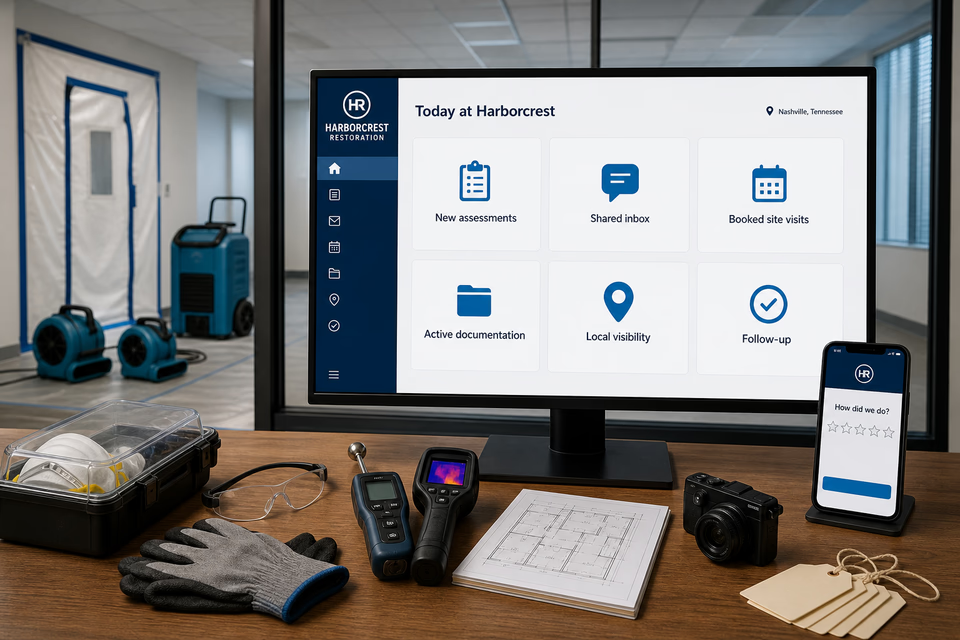
Restoration requests can begin with a stopped water source, suspected material growth, smoke or soot residue, storm damage, contents concerns, or a commercial interruption. The work then moves through property and occupant status, utilities and access, affected-area documentation, assessment findings, appropriate containment, scope decisions, equipment and work records, contents notes, customer updates, reconstruction handoffs, and follow-up. We connect the website, calls, messages, site visits, project records, reviews, and retention without turning intake or marketing copy into a health or safety clearance, complete-remediation claim, drying deadline, insurance decision, price, or guaranteed outcome.
Harborcrest RestorationWebsite, response, search, reviews, and follow-up
What the complete setup should do
Be useful before, during, and after the service call.
Water damage, suspected mold, fire and smoke residue, contents work, and reconstruction share one restoration-company customer journey but require different qualified assessments, controls, documentation, equipment, third-party responsibilities, and limits. The customer system should organize incident type, source status, affected areas, occupancy, utility questions, access, photos, property contacts, insurer contact when relevant, and visit timing before the company confirms scope, methods, schedule, price, coverage, dryness, clearance, or results.
01
Start with incident, source, occupant, and utility status
The request path should collect the property address and type, incident category, when it was noticed, whether the source or event is still active, affected rooms, occupants, known utility status, emergency-authority involvement, access limits, photos when safe, and the best property contact. Active hazards and emergency decisions remain with the appropriate emergency, utility, property, or qualified safety authorities.
02
Control access before describing the work
Occupied areas, vulnerable contents, doors and keys, parking and loading access, containment boundaries, equipment locations, noise constraints, after-hours needs, and site contacts should stay visible. The system can organize these controls without telling the public to enter an affected area or implying that a barrier, respirator, or contractor visit is a health or safety clearance.
03
Keep findings, scope, contents, and third parties attached
Room sketches, material observations, moisture or other neutral field records, photos, selected scope, equipment and visit logs, contents inventories, customer decisions, estimates, reconstruction handoffs, independent testing, and insurer or adjuster contacts should remain with the same project. Documentation can support coordination, but it cannot promise coverage, approval, payment, drying time, clearance, or the final condition.
04
Close out with a neutral project record
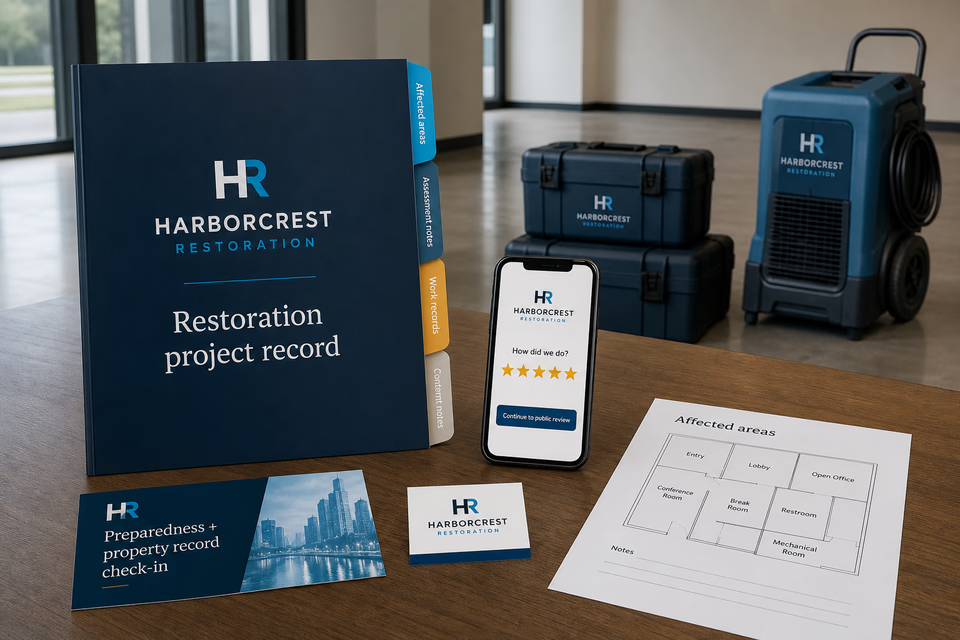
A useful handoff can organize affected areas, assessment notes, work records, contents notes, photos, equipment records, unresolved items, third-party reports, customer feedback, and a restrained preparedness check-in. It should never function as an unverified all-clear, mold-free certificate, complete-remediation promise, guaranteed dryness statement, insurance approval, or outcome warranty.
The restoration system
Three parts. One customer journey.
Each part is built around water-damage assessment and restoration, appropriately scoped mold remediation, fire and smoke damage restoration, affected-area documentation, contents records, controlled removal, equipment records, and reconstruction when genuinely offered, and every service below links to the full explanation of what it does.
01
Get found for the restoration event customers are actually facing
Give water, mold, fire and smoke, contents, commercial, and reconstruction scopes distinct room inside one restoration route.
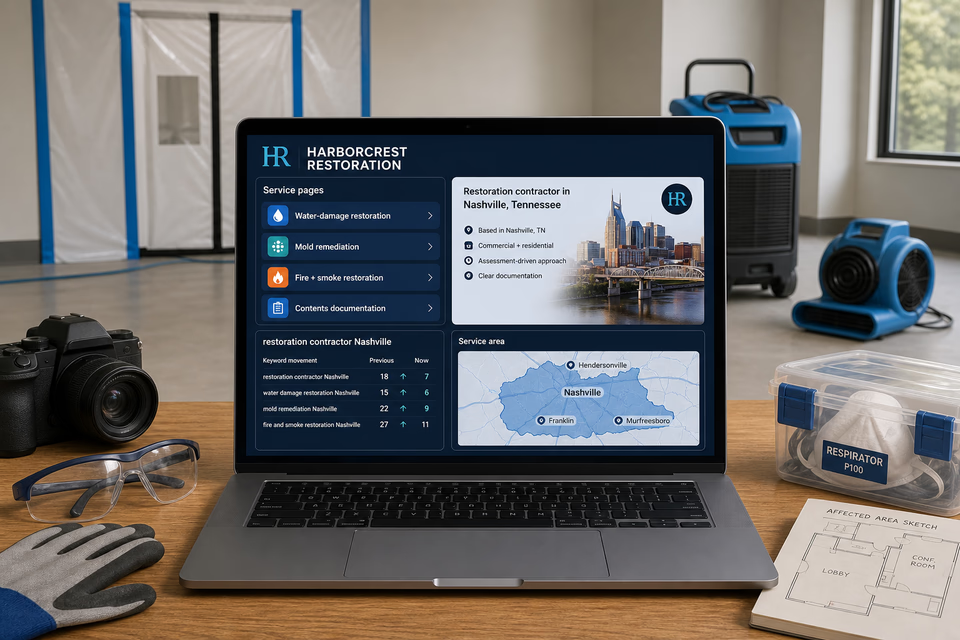
Build focused pages around the assessment and restoration services the company genuinely performs, the property details customers can safely share, the service territory, and the qualified or third-party steps that may apply. Keep local profiles and search work accurate without ranking, response-time, clearance, drying-time, insurance, price, or outcome claims.
Keep source, access, affected-area, and utility questions together
Hold onto what happened, which rooms are affected, who can enter, what is known about utilities, and when an assessment can occur.
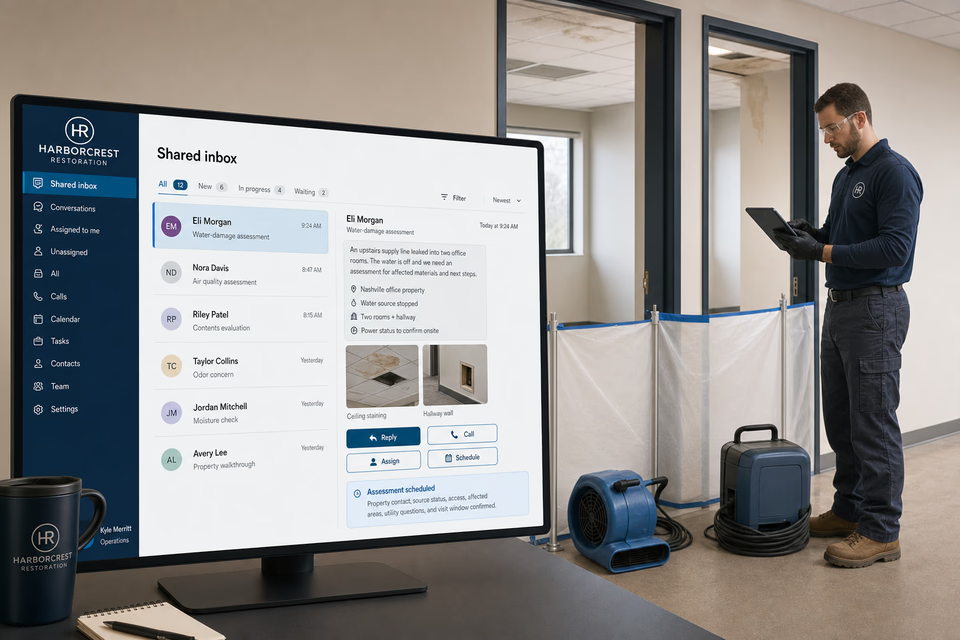
A call, form, or message can become one owned conversation. Incident type, source status, affected rooms, occupancy, access, utility questions, property contacts, safe photos, insurer contact when relevant, reply, assignment, and visit schedule stay together for the coordinator and field team.
Close out with useful property and project records
Make affected-area notes, work records, contents documentation, and unresolved items easier to review and reference.
Provide an organized project record with affected areas, assessment notes, selected work, equipment records, contents notes, photos, third-party documents, open items, and customer feedback. Send restrained preparedness or property-record check-ins without turning follow-up into a clearance, completion, dryness, insurance, or future-outcome guarantee.
Pages built around real restoration events and scopes
One “services” page is not enough.
Water restoration, mold remediation, fire and smoke restoration, contents documentation, controlled removal, equipment monitoring, and reconstruction need distinct explanations inside one restoration-contractor route. Give each service the company genuinely and lawfully performs a focused assessment path. Keep environmental testing, clearance decisions, hazardous materials, structural engineering, utility authority, fire-department decisions, and insurance coverage with the appropriate independent parties rather than implying that the website or contractor controls them.
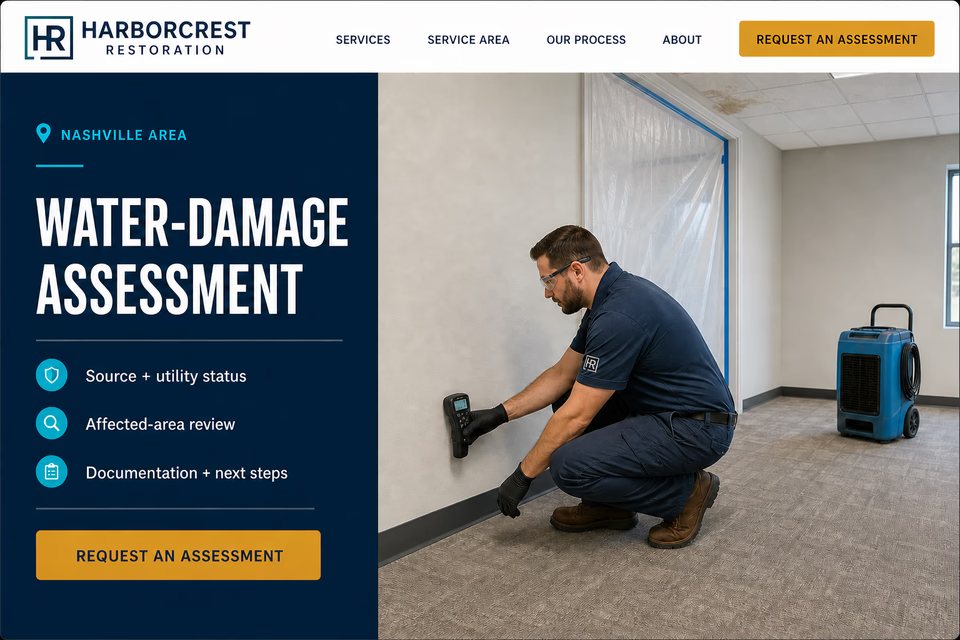
Water-damage assessment + restoration
Water extraction—only when conditions, equipment, and qualified site controls support it
Structural drying + moisture documentation—without a universal drying-time promise
Mold remediation—only when genuinely qualified and appropriately scoped
Containment + controlled material removal—when genuinely offered
Fire + smoke damage assessment
Soot + odor-related restoration—without a guaranteed removal outcome
Clear affected-area records. Careful handoffs. No clearance, drying-time, insurance, or outcome guarantees.
01Is this just a restoration contractor website package?
No. The website is the front door. The complete setup can connect calls, texts, forms, incident and source details, safe photos, the shared inbox, assessment visits, affected-area records, estimates, access and utility questions, equipment logs, contents notes, project updates, reviews, local search, print, and branding around the way the company actually coordinates restoration work.
02Can the website promise that a property is safe, mold-free, fully dry, or completely remediated?
No. Health or safety clearance, environmental testing, moisture decisions, occupancy decisions, and completion criteria can involve qualified professionals, project-specific protocols, materials, field conditions, independent reports, authorities, and customer requirements. The site can explain assessment, controls, work records, and the company's real scope, but it should not publish an unverified all-clear or universal result.
03Can the page guarantee insurance approval, coverage, direct payment, or a claim outcome?
No. The company can collect policy and adjuster contacts when the customer chooses, organize estimates and project documentation, and coordinate communications, but coverage, approval, payment, deductibles, limits, and claim decisions remain with the customer and insurer. Marketing copy should not present documentation as an insurance promise.
04Should mold remediation, water restoration, and fire restoration have separate profession destinations?
No. They are major service paths within the same restoration-contractor business model and should share this route while receiving focused service pages. Keep environmental testing, clearance, hazardous-material work, structural engineering, utility decisions, fire-authority decisions, and specialties the company does not actually perform separate and clearly assigned to the appropriate qualified party.
Want to see the complete setup for your restoration contractor?
Bring the old site. Or the lack of one.
We will show you how the website, calls, messages, local search, reviews, and follow-up can work as one practical customer system.