The complete customer system for RV service companies
Start with the RV, system, symptoms, and use. Keep diagnostics, authorization, and service records together.
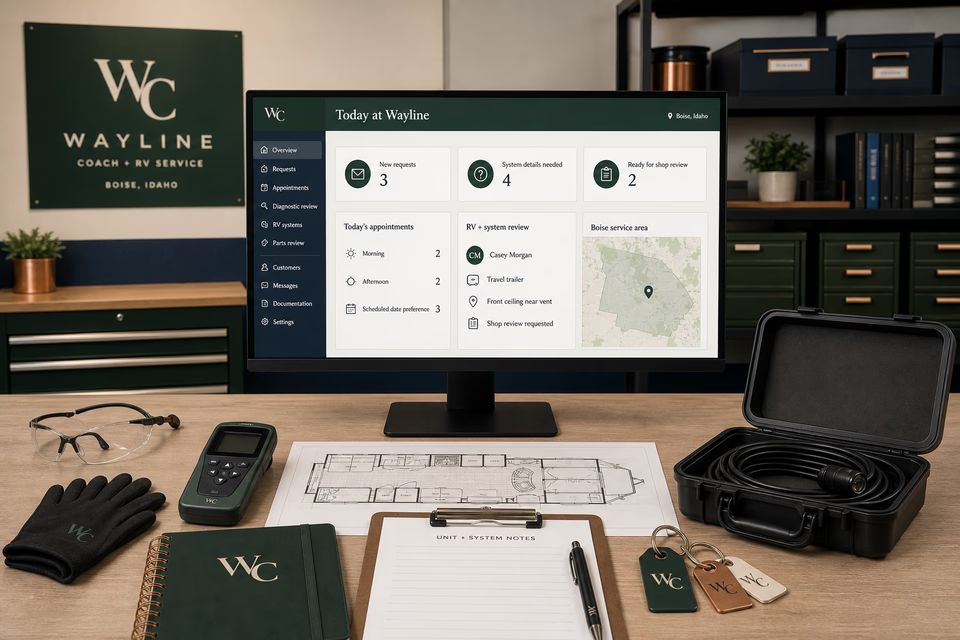
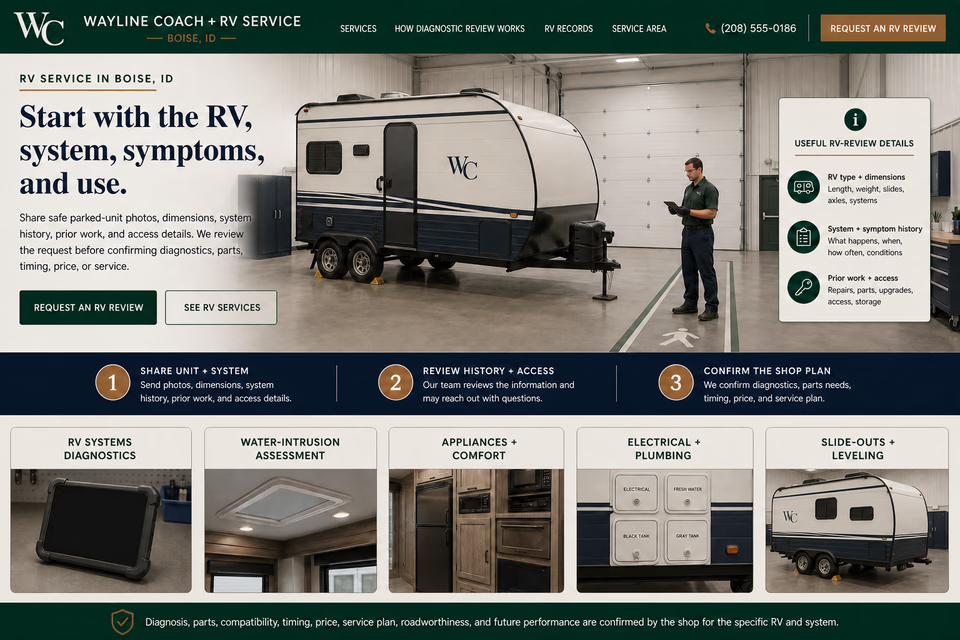
RV-service requests combine vehicle type and dimensions, coach systems, appliances, reported symptoms, water or electrical history, prior modifications, storage and travel use, access, photos, and timing preferences. We connect the website, calls, messages, local search, reviews, and follow-up so intake, shop diagnostics, system notes, customer authorization, parts review, appointments, service updates, and closeout stay together without promising diagnosis, price, parts, completion time, leak-free performance, roadworthiness, trip readiness, or a particular repair outcome before inspection.
Wayline Coach + RV ServiceWebsite, response, search, reviews, and follow-up
What the complete setup should do
Be useful before, during, and after the service call.
A motorhome, travel trailer, fifth wheel, camper van, or truck camper can involve different coach construction, dimensions, appliances, electrical sources, plumbing, tanks, climate systems, slide-outs, leveling equipment, chassis interfaces, access, storage history, and modifications. The customer system should improve the first conversation while leaving electrical isolation, fuel systems, lifting, roof access, pressure testing, appliance work, chassis work, parts compatibility, and return-to-service decisions to the RV-service team and other appropriate specialists for the specific unit.
01
Start with the RV type, system, and symptom
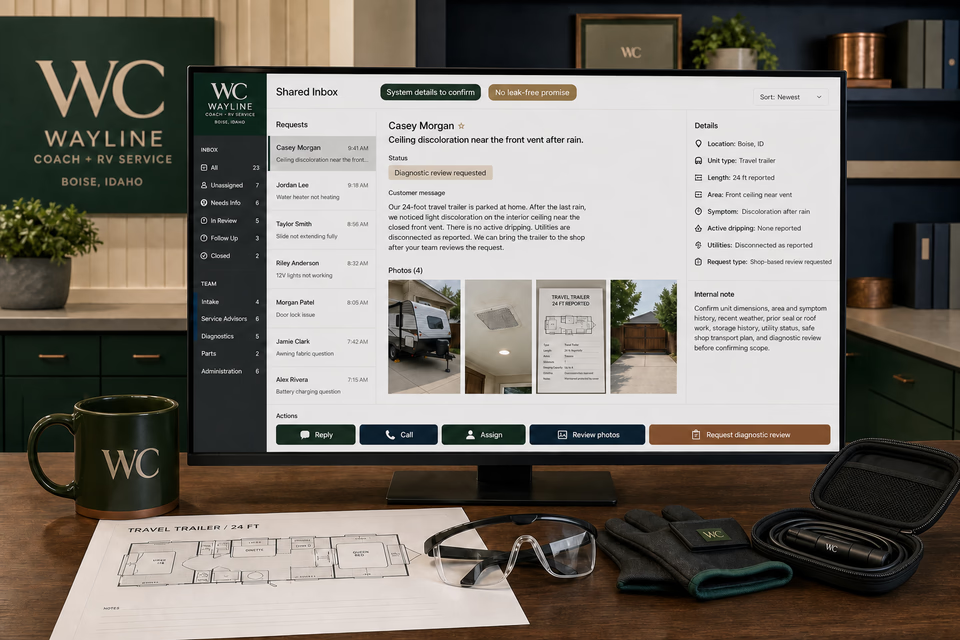
Ask for unit type, approximate length and height, year when known, the coach system or area involved, reported symptoms, when they began, recent weather or travel context, storage history, prior repairs or modifications, warning messages, and safe photos taken with the unit parked.
02
Separate coach systems from general vehicle repair
Water intrusion, roof and exterior seals, appliances, RV electrical and plumbing, heating and cooling, slide-outs, leveling, interior fixtures, and seasonal service need different diagnostics, access, parts, approvals, and records. Chassis, tires, towing, roadside, diesel, collision, or appearance work should route separately unless the company genuinely supports it.
03
Keep system history and authorization attached
Unit photos, dimensions, system and symptom notes, utility-source status as reported, storage and travel history, prior modifications, diagnostic observations, parts review, customer authorization, appointment, service updates, and closeout should stay with one RV record.
04
Close out without promising trip readiness
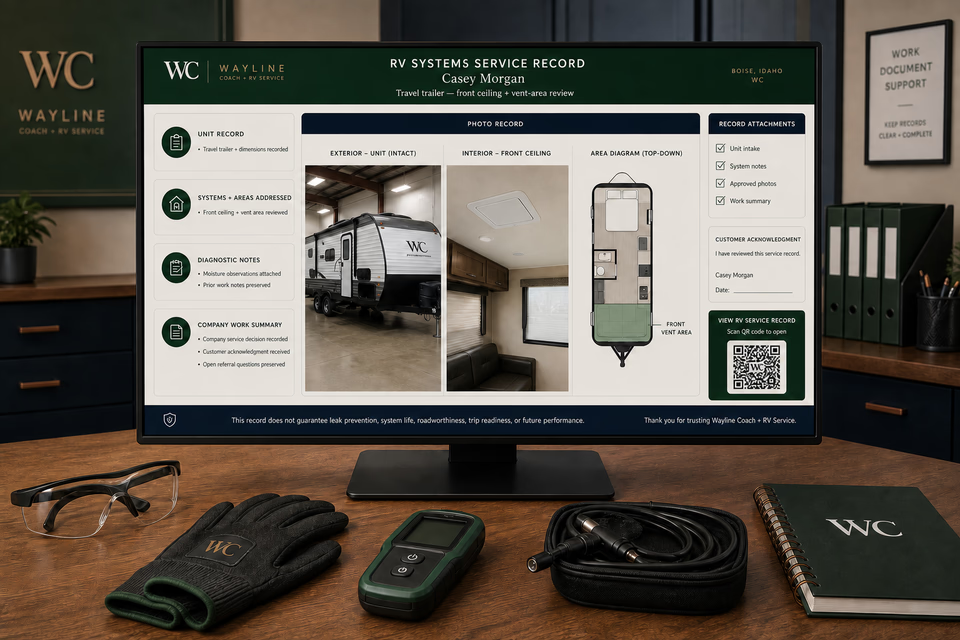
A useful closeout can document the RV, systems and areas addressed, company-reported diagnostic observations, parts or identifiers, work performed, approved photos, customer acknowledgment, open questions, and other-specialist referrals without guaranteeing leak prevention, appliance life, electrical or plumbing performance, roadworthiness, trip readiness, or future operation.
The RV service system
Three parts. One customer journey.
Each part is built around motorhome and travel-trailer systems diagnostics, water-intrusion assessment, exterior and seal review, appliance service, RV electrical and plumbing systems, slide-out and leveling assessment, comfort systems, interiors, and seasonal service planning, and every service below links to the full explanation of what it does.
01
Get found for the RV system owners actually need reviewed
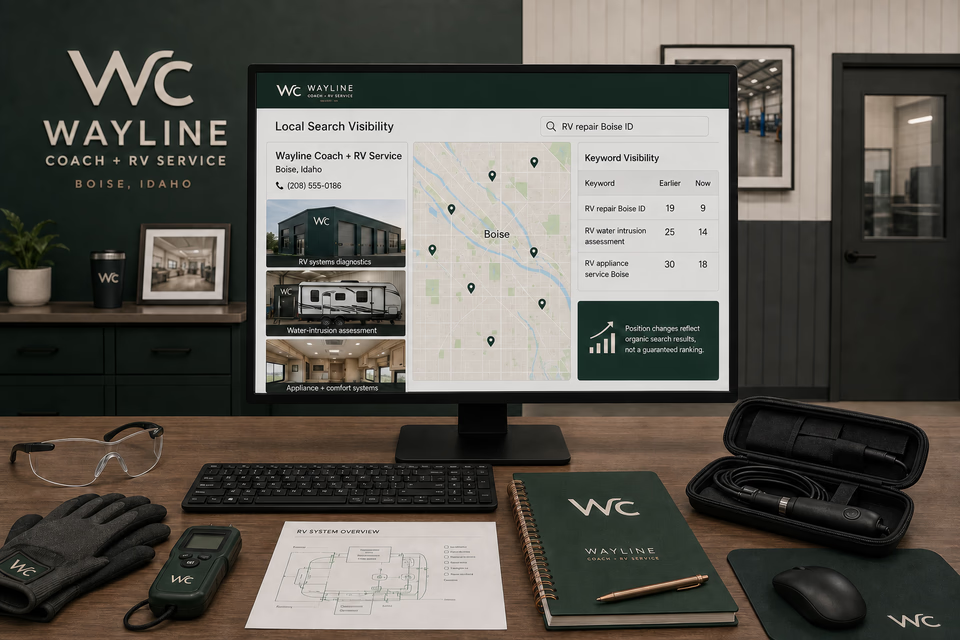
Give coach diagnostics, water concerns, seals, appliances, utilities, slide-outs, comfort systems, and interiors distinct proof.
Build focused pages around the RV types and coach systems the shop genuinely services, its diagnostic and authorization process, documented projects, shop access, seasonal planning, and communities served. Keep passenger auto, mobile mechanic, tire, towing, detailing, diesel or fleet, and equipment repair or rental work on their own paths.
Turn a system symptom into a useful RV shop intake
Keep the unit, dimensions, system, symptoms, history, modifications, photos, access, and preferred timing together.
A missed call can become a structured conversation. RV type and size, reported system or area, symptom history, safe parked-unit photos, recent travel or storage context, prior work, modifications, utility-source status as reported, and appointment preference stay together so the shop can review the request without offering remote procedures or promising diagnosis, parts, price, or outcome.
Package diagnostic notes, systems addressed, approved photos, work summary, acknowledgment, and open questions.
Share a concise company-reported service record, organize approved documentation by system and area, record work and referrals, gather feedback, make a public review easy, and keep a restrained path open for seasonal RV systems planning when the owner has agreed to hear from the company.
Pages built around real RV systems and reported symptoms
One “services” page is not enough.
Coach-system diagnostics, water-intrusion concerns, exterior seals, appliances, RV electrical and plumbing, slide-outs, leveling systems, heating and cooling, interiors, and seasonal planning need distinct unit, system, symptom, access, inspection, authorization, and documentation paths. Focused pages help owners request an RV-specific shop review without blending into passenger auto repair, mobile mechanics, tire service, towing, detailing, diesel or fleet repair, or equipment repair and rental.
RV systems diagnostics
Water-intrusion assessment
Roof + exterior seal inspection
RV appliance service
RV electrical + battery system review
RV plumbing + water-system service
Slide-out + leveling system assessment
RV heating + cooling service
RV interior fixture + cabinet service
Seasonal RV service planning
Motorhome chassis-service coordination
Service-area pages for the communities you really cover
From search to the next job
The handoffs are the whole point.
The website should not end at a form, and a completed job should not end at an invoice. Each useful step gives the next person context.
01
They find the right service
A useful page or local listing matches the problem and gives the customer one obvious way to act.
02
The request stays alive
The call, form, or message lands in the same customer record with the service, location, and conversation attached.
03
A person owns the next step
The owner or office can reply, call, qualify, assign, and schedule with the history already in front of them.
04
The finished job keeps working
Feedback, reviews, print, referrals, and useful customer follow-up help one completed job create the next opportunity.
RV-service questions, straight answers
Start with the unit, system, symptom, history, and use—not a remote diagnosis or trip-readiness promise.
01Can an RV shop diagnose a leak or system failure from customer photos?
Photos can help identify the RV type, area, visible condition, access, and reported symptom, but they may not establish the entry path, concealed construction, moisture extent, wiring, plumbing, fuel source, appliance condition, prior modifications, parts compatibility, or final scope. Use them to prepare diagnostics, not promise a diagnosis or repair.
02Should the website explain roof access, electrical testing, fuel-system work, or appliance repair steps?
No. Public marketing should not direct owners to climb onto an RV, open energized or fuel-connected equipment, work beneath a unit, pressurize a system, bypass a device, or attempt a repair. Access, isolation, testing, service methods, and return-to-service decisions belong to the RV shop and appropriate specialists for the specific unit.
03Can the company promise that an RV is leak-free or ready for a trip after service?
No. Construction, age, prior repairs, movement, weather, storage, hidden conditions, seals, appliances, electrical and plumbing systems, chassis interfaces, tires, future use, and new events can affect results. Document company-reported work without guaranteeing leak prevention, roadworthiness, trip readiness, system life, or future performance.
04How is RV service different from auto repair, mobile mechanics, tire service, towing, detailing, diesel or fleet, and equipment repair or rental?
This route is for RV-specific coach construction, utilities, appliances, water-intrusion concerns, seals, slide-outs, leveling, comfort systems, interiors, and related diagnostics. Passenger-vehicle repair, field mechanic work, tires, towing, appearance care, diesel or fleet maintenance, and equipment service or rental have different intake, equipment, safety, and authorization paths and should remain separate unless the RV company genuinely offers them.
Want to see the complete setup for your RV service company?
Bring the old site. Or the lack of one.
We will show you how the website, calls, messages, local search, reviews, and follow-up can work as one practical customer system.