The complete customer system for tire service companies
Start with the vehicle and tire position. Review symptoms and fitment. Keep the service record attached.
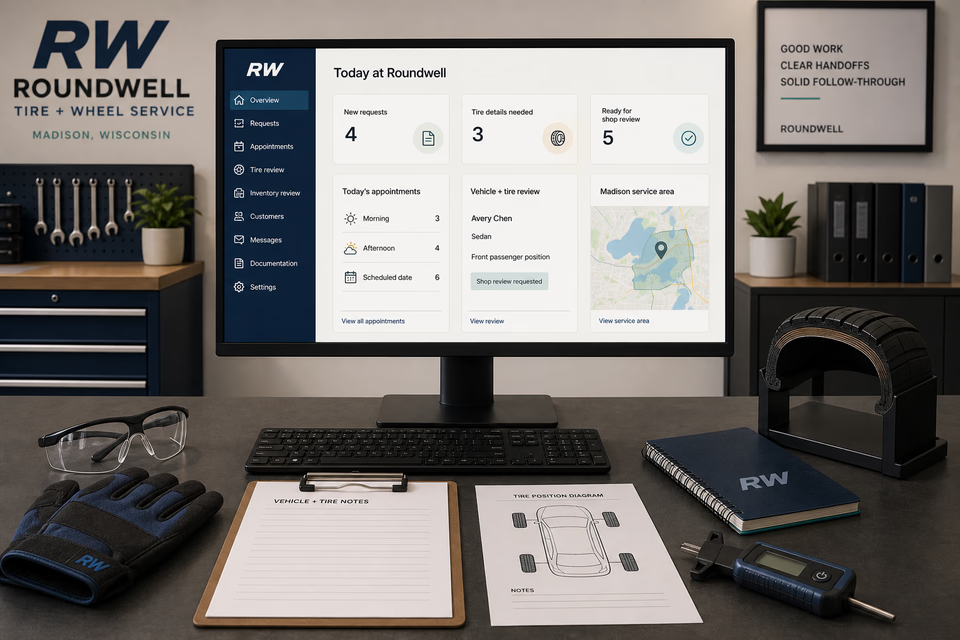
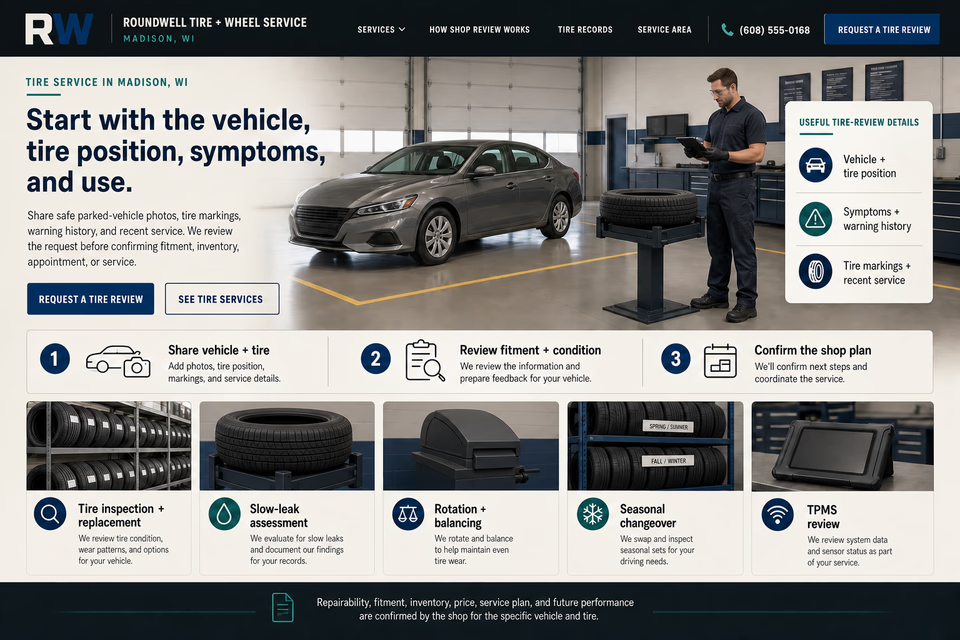
Tire-service requests arrive with a vehicle, tire position, pressure or warning-light history, visible condition, mileage and use, tire markings, prior service, timing preferences, and fitment questions. We connect the website, calls, messages, local search, reviews, and follow-up so shop intake, inspection notes, customer authorization, tire and wheel records, appointments, service updates, and closeout stay together without promising price, inventory, repairability, tire life, performance, vehicle safety, or a particular result before inspection.
Roundwell Tire + Wheel ServiceWebsite, response, search, reviews, and follow-up
What the complete setup should do
Be useful before, during, and after the service call.
Replacement, a slow-leak assessment, rotation, balancing, seasonal changeover, TPMS review, light-truck tires, and tire-focused fleet planning need different vehicle, position, use, size, condition, service-history, equipment, and fitment information. The system should improve the first conversation while leaving lift points, wheel removal, inflation, mounting, balancing, torque, repairability, fitment, and return-to-service decisions to the tire-service team for the specific vehicle and tire.
01
Start with the vehicle, tire position, and symptoms
Ask for vehicle year and type, the tire position involved, pressure or warning-light history as reported, visible condition, when the symptom began, recent service, driving use, approximate mileage, safe photos taken while the vehicle is parked, and whether the customer is requesting shop-based service.
02
Separate inspection from a repair or fitment promise
A slow leak, visible object, sidewall concern, vibration, seasonal changeover, replacement request, TPMS warning, and light-truck or fleet need can require different inspection, tire and wheel information, vehicle requirements, equipment, inventory, and service decisions.
03
Keep tire and authorization notes attached
Vehicle and tire photos, tire-position notes, markings, reported symptoms, pressure history, prior service, inspection observations, fitment review, customer authorization, appointment, service record, and follow-up questions should stay with one job.
04
Close out without inventing remaining life
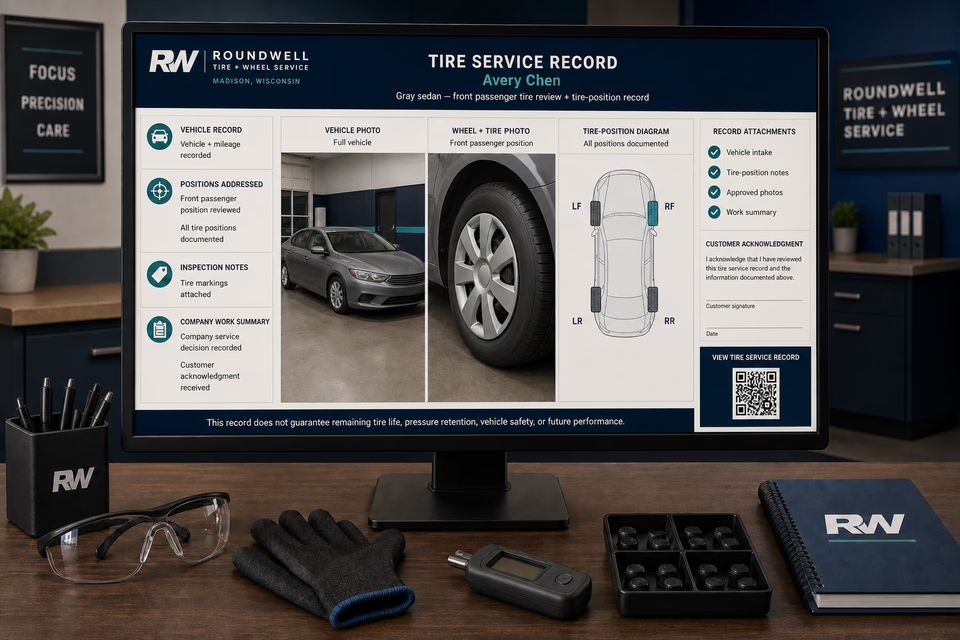
A useful closeout can document the vehicle, tire positions addressed, company-reported inspection observations, tire or wheel identifiers, work performed, customer acknowledgment, approved photos, and later service notes without guaranteeing repair durability, remaining tread life, pressure retention, balance, handling, vehicle safety, or future performance.
The tire service system
Three parts. One customer journey.
Each part is built around passenger and light-truck tire inspection, replacement, slow-leak assessment, rotation, wheel balancing, seasonal changeover, TPMS review, and tire-focused fleet planning, and every service below links to the full explanation of what it does.
01
Get found for the tire need people actually have
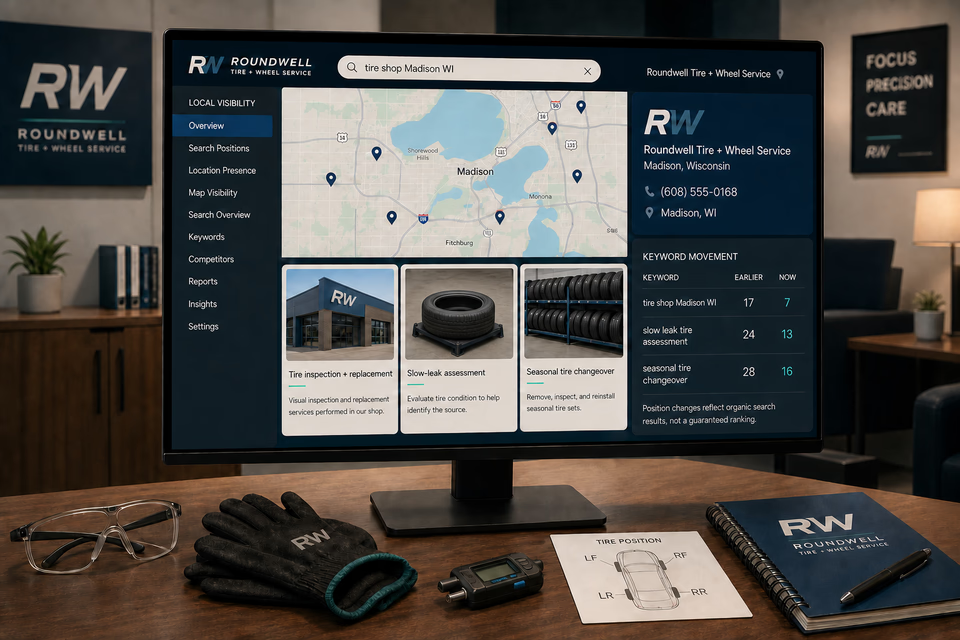
Give replacement, slow-leak, rotation, balancing, seasonal, TPMS, and light-truck requests distinct proof.
Build focused pages around the shop-based tire services, inspection and fitment review, documented work, supported vehicle categories, scheduling path, and communities the company genuinely serves. Keep general mechanical repair, mobile roadside assistance, towing, detailing, and diesel or fleet repair separate unless the company truly offers them.
Keep the vehicle, tire position, warning history, use, markings, prior service, and appointment details together.
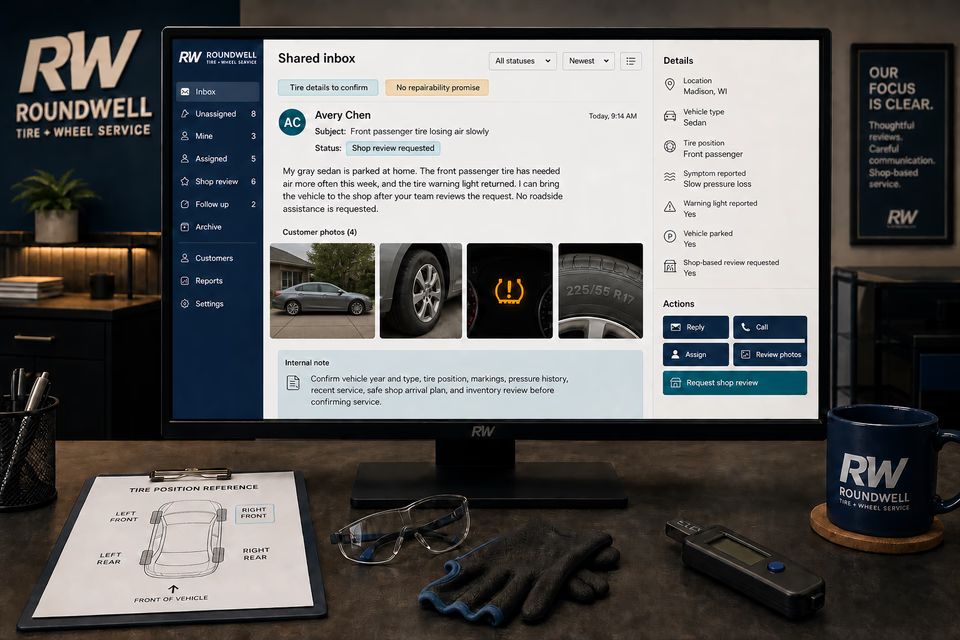
A missed call can become a structured conversation. Safe parked-vehicle photos, tire position, reported symptoms, warning-light or pressure history, vehicle use, tire markings, recent service, and preferred appointment stay together so the shop can review the request without instructing roadside work or promising repairability, stock, price, or service outcome.
Package the positions addressed, inspection notes, identifiers, work summary, acknowledgment, and later questions.
Share a concise company-reported service record, organize approved photos and tire details by position, record work and open questions, gather feedback, make a public review easy, and keep a restrained path open for seasonal or fleet tire planning when the customer has agreed to hear from the company.
Pages built around real tire requests and fitment questions
One “services” page is not enough.
Passenger-tire replacement, slow leaks, rotations, balancing, seasonal changeovers, TPMS questions, light-truck tires, wheel assessment, and fleet tire planning require distinct vehicle, use, tire-position, condition, fitment, inspection, and service records. Focused pages help customers request a shop review without drifting into general mechanical repair, mobile roadside service, towing, detailing, diesel repair, or guaranteed price, availability, repairability, remaining life, or performance.
Passenger tire inspection + replacement
Flat + slow-leak assessment
Tire rotation
Wheel balancing
Seasonal tire changeover
TPMS assessment
Light-truck tire service
Performance + EV tire fitment review
Wheel-condition assessment
Fleet tire service planning
Service-area pages for the communities you really cover
From search to the next job
The handoffs are the whole point.
The website should not end at a form, and a completed job should not end at an invoice. Each useful step gives the next person context.
01
They find the right service
A useful page or local listing matches the problem and gives the customer one obvious way to act.
02
The request stays alive
The call, form, or message lands in the same customer record with the service, location, and conversation attached.
03
A person owns the next step
The owner or office can reply, call, qualify, assign, and schedule with the history already in front of them.
04
The finished job keeps working
Feedback, reviews, print, referrals, and useful customer follow-up help one completed job create the next opportunity.
Tire-service questions, straight answers
Show the vehicle and tire position. Treat repairability, fitment, and remaining life as inspection decisions.
01Can a shop promise that a tire can be repaired from a photo?
No. A photo can help identify the tire position, visible condition, and markings, but repairability can depend on the location and extent of the condition, internal findings, prior service, tire construction, age, wear, manufacturer information, wheel condition, and the shop's inspection. Use photos for intake, not a repair promise.
02Should the website tell customers how to lift a vehicle, remove a wheel, or repair a tire?
No. Public marketing should not direct customers to work near traffic, lift a vehicle, enter a service bay, use mounting or inflation equipment, or attempt a tire repair. Shop equipment, vehicle support, wheel removal, inflation, mounting, balancing, and service decisions belong to trained shop personnel for the specific vehicle.
03Can the company guarantee tire life, pressure retention, or vehicle safety after service?
No. Tire age, wear, construction, use, road conditions, impact history, wheel condition, pressure maintenance, alignment, vehicle load, weather, and future events can affect results. Document the company's observations and work without guaranteeing remaining life, pressure retention, handling, repair durability, or vehicle safety.
04Is tire service the same as mobile roadside assistance or general auto repair?
Not automatically. This page is for shop-based tire inspection, replacement, slow-leak assessment, rotation, balancing, seasonal changeover, TPMS review, and tire-focused planning. Mobile roadside work, towing, general mechanical diagnosis, detailing, diesel repair, and broader fleet maintenance should appear only when the company genuinely offers and supports those services.
Want to see the complete setup for your tire service company?
Bring the old site. Or the lack of one.
We will show you how the website, calls, messages, local search, reviews, and follow-up can work as one practical customer system.