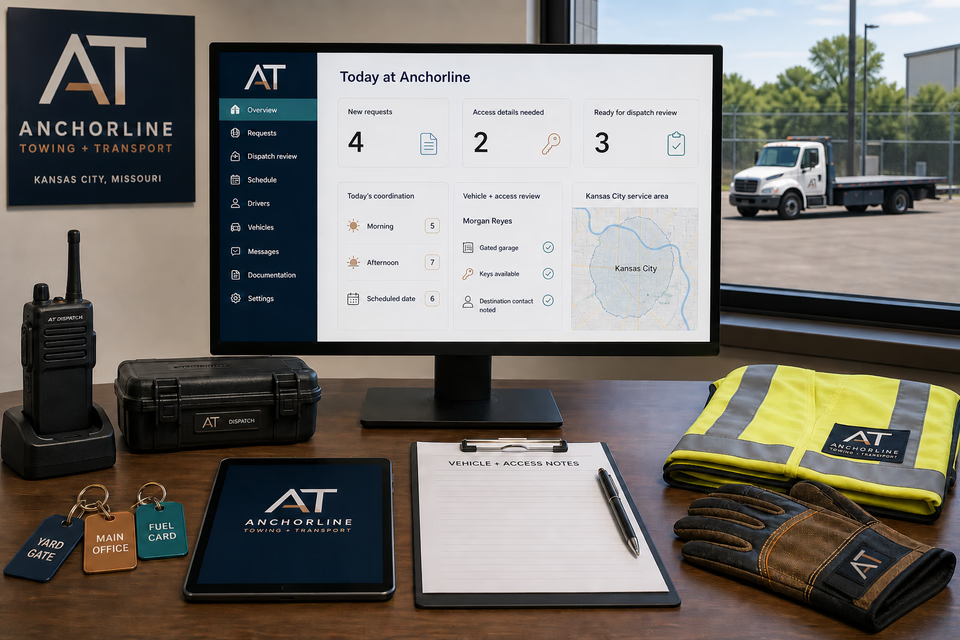
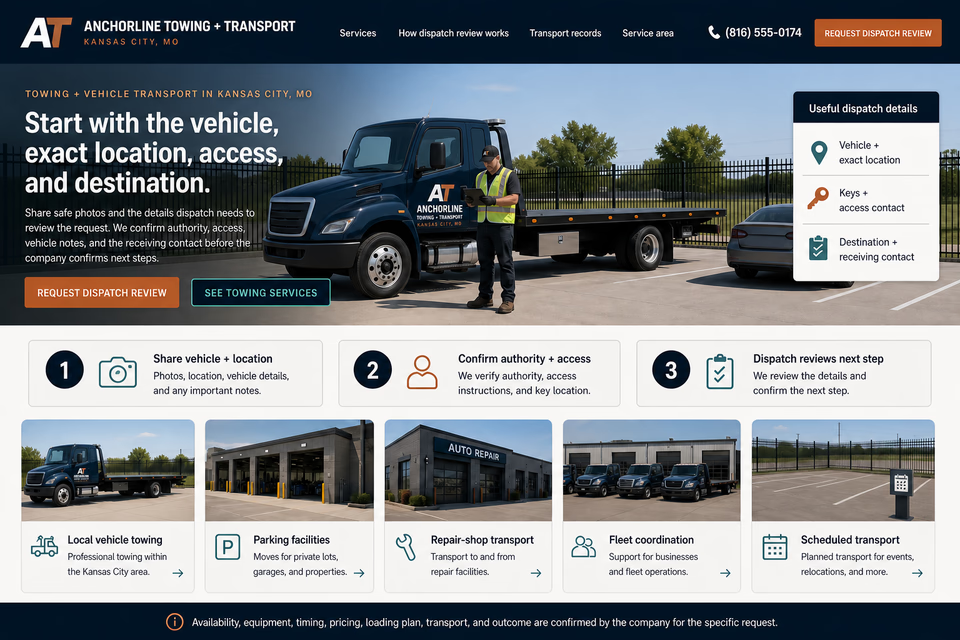
Capture the exact location. Confirm access and authority. Keep dispatch and handoff notes together.
Towing requests arrive with a vehicle, exact location, access conditions, authorized contact, keys, destination, timing preference, and incomplete information. We connect the website, calls, messages, local search, reviews, and follow-up so intake, dispatch review, location and access notes, customer updates, driver assignments, vehicle records, and destination handoffs stay together without promising price, availability, arrival time, recovery outcome, damage-free transport, or a particular method before the company reviews the request.
Anchorline Towing + TransportWebsite, response, search, reviews, and follow-up
What the complete setup should do
Be useful before, during, and after the service call.
A vehicle in a controlled lot, parking garage, private property, repair shop, fleet yard, or scheduled transport setting can require different authority, clearance, access, keys, destination, equipment, loading plan, and handoff. The system should improve the first conversation while keeping customers and staff away from active traffic and leaving job-specific equipment, positioning, connection, loading, transport, and recovery decisions to the towing company.
01
Start with the vehicle and exact location
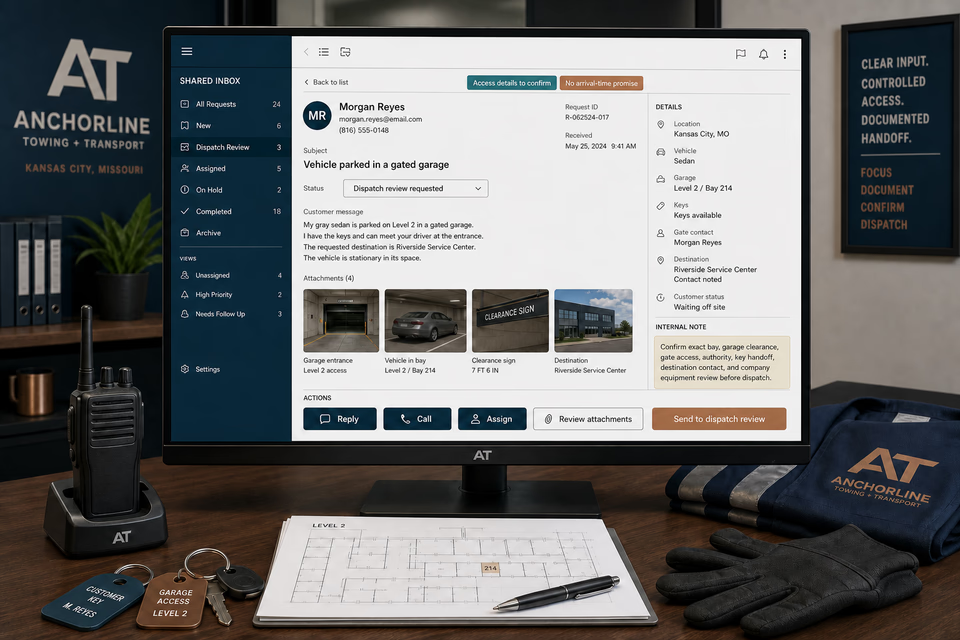
Ask for vehicle type, approximate size, condition as reported, exact address, parking level or lot section, whether it is in a controlled location, garage-clearance information when relevant, key status, steering or rolling information when known, and safe photos taken only from an appropriate location.
02
Confirm authority, access, and destination
Record the vehicle owner or authorized contact, property or facility contact, gates and access windows, parking rules, destination and receiving contact, preferred communication, and whether another party needs to approve the move before dispatch is confirmed.
03
Keep dispatch and vehicle notes attached
Customer messages, vehicle details, location pins, access and clearance notes, property contacts, key status, requested destination, driver assignment, company decisions, approved photos, customer updates, and destination handoff should stay with one transport record.
04
Close out with a handoff record, not a guarantee
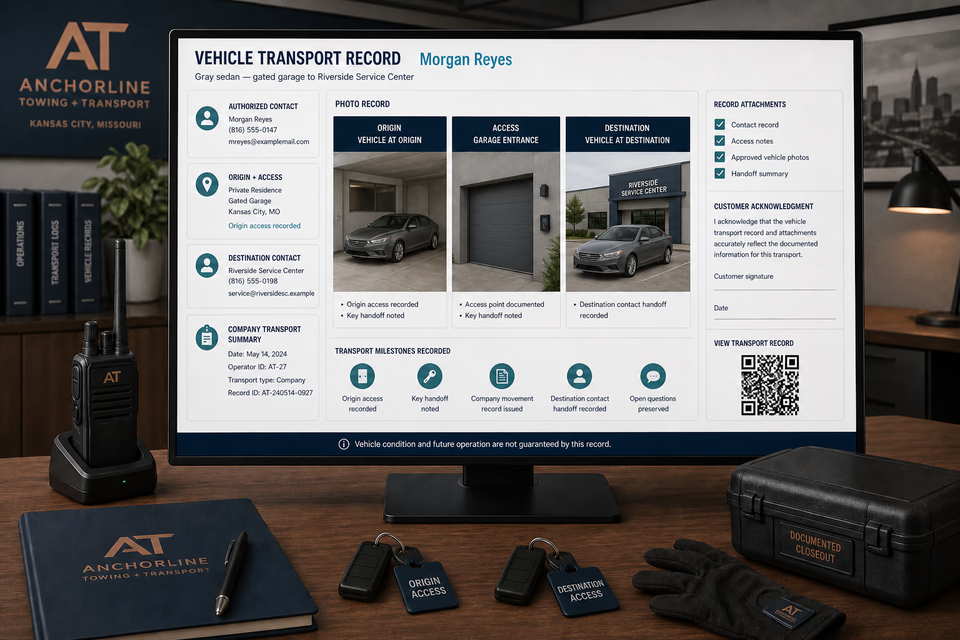
A useful closeout can document the vehicle, origin and destination, access notes, company-reported movement record, approved condition photos, keys or contact handoff, customer acknowledgment, and open questions without guaranteeing arrival time, pricing, recovery, transport condition, damage-free service, or future vehicle operation.
The towing system
Three parts. One customer journey.
Each part is built around local towing, controlled-location pickup, parking-facility service, repair-shop transport, fleet coordination, motorcycle transport, and scheduled vehicle movement, and every service below links to the full explanation of what it does.
01
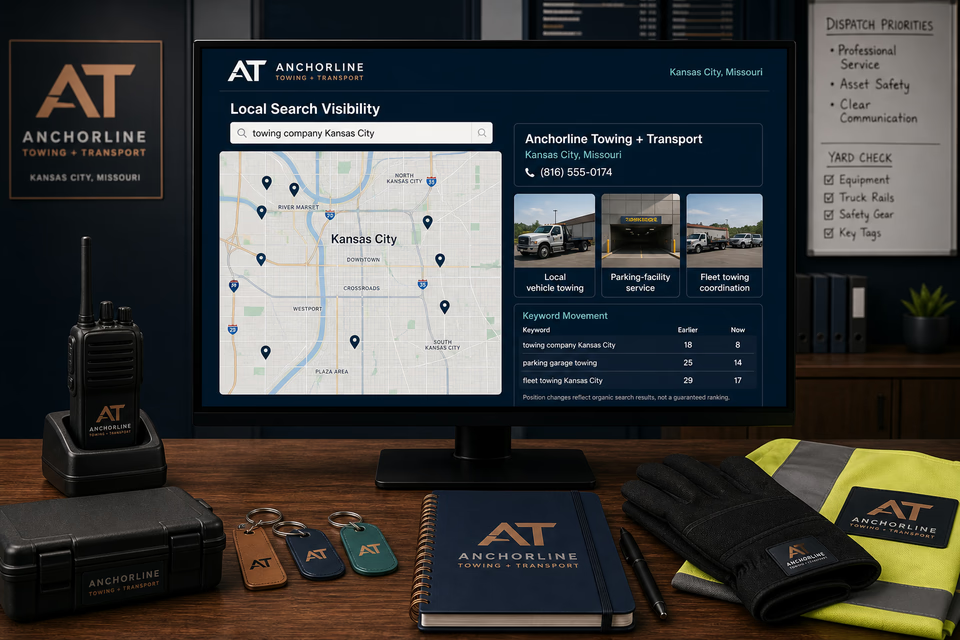
Get found for the towing setting people actually need
Give local, garage, private-property, repair-shop, fleet, and scheduled transport requests distinct paths.
Build focused pages around supported vehicle types, controlled-location intake, authority and access review, destination coordination, documented handoff, and communities the company genuinely serves. Use stationary controlled-lot imagery and accurate service boundaries instead of accident scenes, live-roadway exposure, moving trucks, price hooks, or arrival-time promises.
Keep the vehicle, exact location, access, keys, authority, destination, and contact details together.
A missed call can become a structured intake. Vehicle and location details, safe approved photos, parking level, facility clearance, access contacts, key status, destination, receiving contact, and communication preference stay together so dispatch can review the request without instructing a customer to enter traffic or attempt a hookup.
Package the origin, destination, approved photos, access notes, updates, and acknowledgment.
Share a concise company-reported service summary, organize approved documentation by location and time, record the destination handoff and open questions, gather feedback, make a public review easy, and keep a restrained path open for future fleet or scheduled transport planning when the customer has agreed to hear from the company.
Pages built around real towing locations and handoffs
One “services” page is not enough.
Local towing, controlled-lot pickup, parking-garage service, private-property requests, repair-shop transport, motorcycles, fleet coordination, and scheduled moves need distinct vehicle, location, authority, access, clearance, destination, and handoff details. Focused pages help customers request dispatch review without publishing hookup instructions or promising price, availability, arrival time, fit, recovery, transport condition, or a particular outcome.
Local vehicle towing
Controlled-lot vehicle pickup
Parking-garage towing
Private-property towing requests
Vehicle transport to repair shops
Fleet towing coordination
Motorcycle transport
Light-duty vehicle towing
Scheduled vehicle transport
After-hours dispatch intake
Service-area pages for the communities you really cover
From search to the next job
The handoffs are the whole point.
The website should not end at a form, and a completed job should not end at an invoice. Each useful step gives the next person context.
01
They find the right service
A useful page or local listing matches the problem and gives the customer one obvious way to act.
02
The request stays alive
The call, form, or message lands in the same customer record with the service, location, and conversation attached.
03
A person owns the next step
The owner or office can reply, call, qualify, assign, and schedule with the history already in front of them.
04
The finished job keeps working
Feedback, reviews, print, referrals, and useful customer follow-up help one completed job create the next opportunity.
Towing questions, straight answers
Start with the vehicle, exact location, access, authority, and destination—not an arrival promise.
01Can a towing company promise an exact arrival time from a web request?
No. Availability, current assignments, location accuracy, access, facility rules, vehicle condition, equipment, traffic, weather, and other changing factors can affect dispatch. Record the customer's timing preference and contact details, then let the company provide project-specific updates without turning an estimate into a guarantee.
02What details help with a parking-garage or controlled-lot request?
The exact address, level or section, entry and height-clearance information, gate or property contact, vehicle type and location, key status, authorized contact, destination, receiving contact, and safe photos taken away from moving traffic can help the company review access and equipment needs.
03Should the website explain how to connect, winch, load, or recover a vehicle?
No. Do not publish instructions that could place a customer near traffic, moving equipment, a connection point, a raised bed, a tensioned line, or a suspended or unstable vehicle. Equipment, positioning, hookup, loading, transport, and recovery decisions belong to the towing team for the specific site and vehicle.
04Can photos establish the final towing price or guarantee vehicle condition after transport?
No. Photos can help document the vehicle, location, access, clearance, and visible condition, but they may not establish all job factors or hidden conditions. Avoid guaranteed pricing, recovery, damage-free transport, or future operation; keep approved observations and handoff notes attached to the company record.
Want to see the complete setup for your towing company?
Bring the old site. Or the lack of one.
We will show you how the website, calls, messages, local search, reviews, and follow-up can work as one practical customer system.