The complete customer system for tree service companies
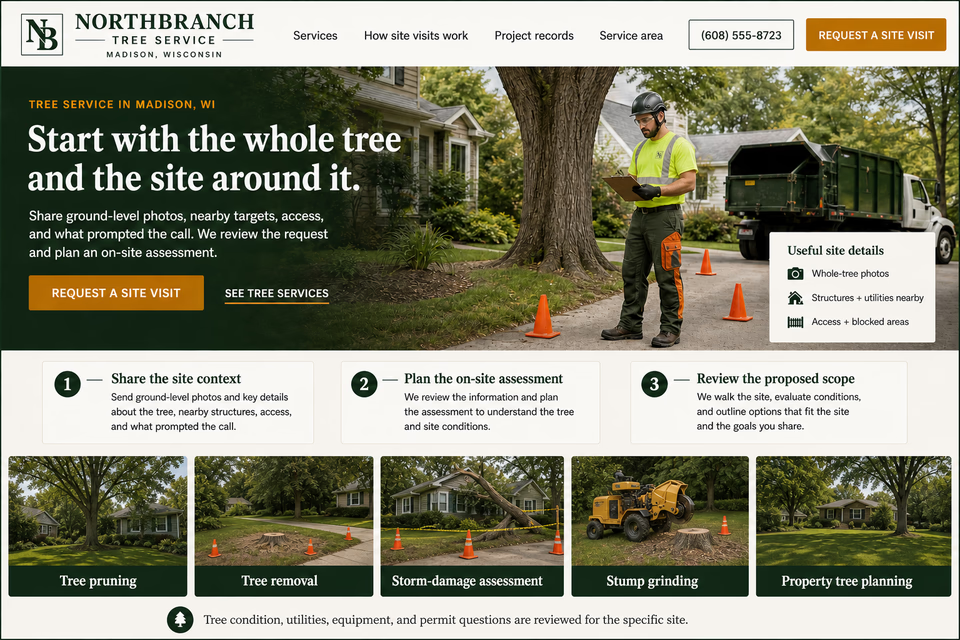
Show the tree and surroundings. Assess the site. Keep the work plan attached.
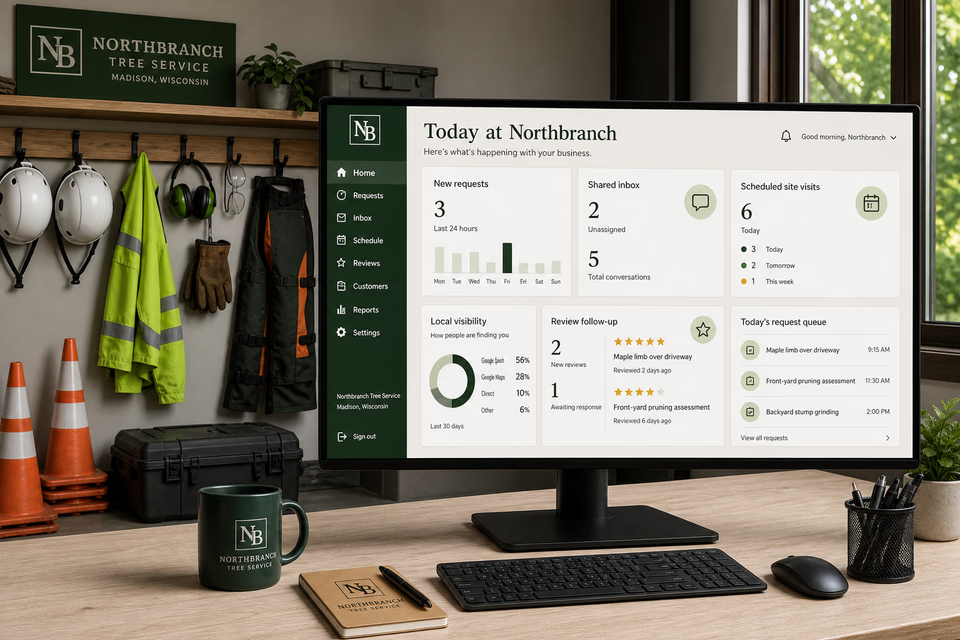
Tree-service customers often call about a hanging limb, driveway or roof clearance, a declining-looking tree, removal options, storm damage, or a stump left behind. We connect the website, calls, messages, local search, reviews, and follow-up so whole-tree photos, target and access notes, site assessments, proposed scope, scheduling, work-zone records, progress, and closeout stay together.
Northbranch Tree ServiceWebsite, response, search, reviews, and follow-up
What the complete setup should do
Be useful before, during, and after the service call.
Pruning, removal, storm-damage assessment, stump grinding, clearance, and long-term planning involve different tree conditions, targets, access, equipment, crew, utility, traffic, and property constraints. The system should improve the first conversation without diagnosing tree health from a photo, promising emergency response, assuming permit approval, or guaranteeing how a tree or site will perform.
01
Start with the whole tree and its surroundings
Ask which tree is involved, what changed or prompted the request, where structures, driveways, streets, utilities, fences, and neighboring property sit, which safe ground-level photos are available, how the site can be accessed, and whether anything is currently blocked.
02
Separate assessment, pruning, removal, and stump paths
Routine pruning, clearance, a damaged limb, whole-tree removal, stump grinding, young-tree work, and a tree-health concern need different observations, equipment, work zones, crew planning, and sometimes utility or municipal coordination.
03
Keep the site and work plan attached
Whole-tree and target photos, access notes, site observations, marked scope, equipment and work-zone plan, utility or permit questions, estimates, scheduling details, crew notes, progress, and customer messages should stay with one job record.
04
Close out without inventing a tree-health promise
A useful closeout can document the agreed work, visible cut locations, stump or debris scope, before, progress, and after photos, customer feedback, and later planning notes without guaranteeing tree health, structural stability, future storm performance, permit status, or site restoration.
The tree service system
Three parts. One customer journey.
Each part is built around tree pruning, tree removal, storm-damage assessment, stump grinding, clearance work, and planned property tree care, and every service below links to the full explanation of what it does.
01
Get found for the tree and site question people actually have
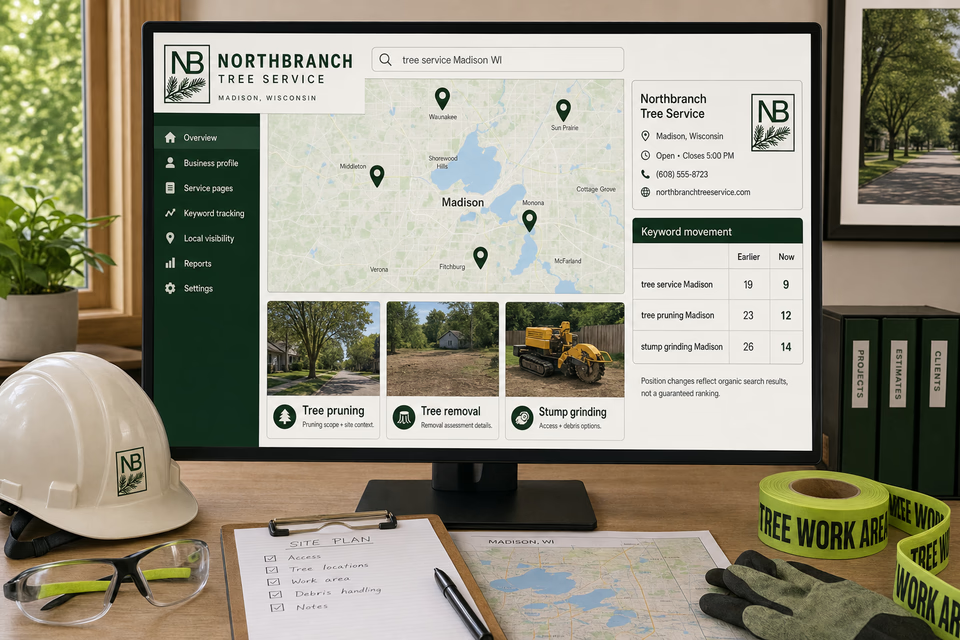
Give pruning, removal, storm assessment, stumps, clearance, and property planning distinct proof.
Build focused pages around the real tree services, site-assessment process, work-zone planning, crew and equipment context, documented projects, and communities the company genuinely serves. Aim local search and ads at those specific offers instead of one generic tree-care page.
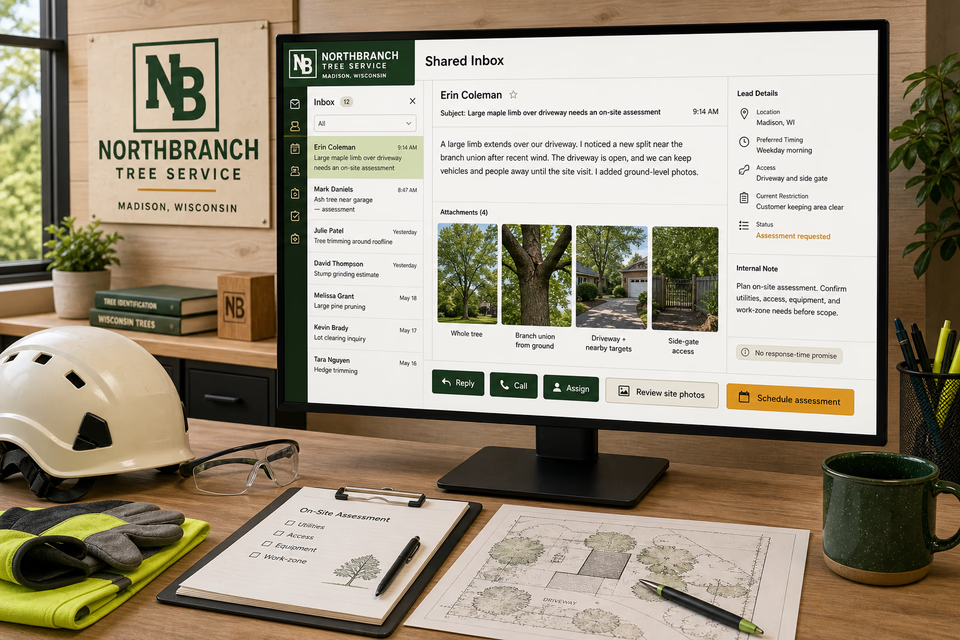
Keep the whole tree, nearby targets, safe photos, access, blocked areas, and timing together.
A missed call can become a structured conversation. The tree location, visible concern, structures and utilities nearby, attachments, access, current restrictions, and preferred timing stay together so the team can review the request and plan an on-site assessment without diagnosing remotely or promising emergency arrival.
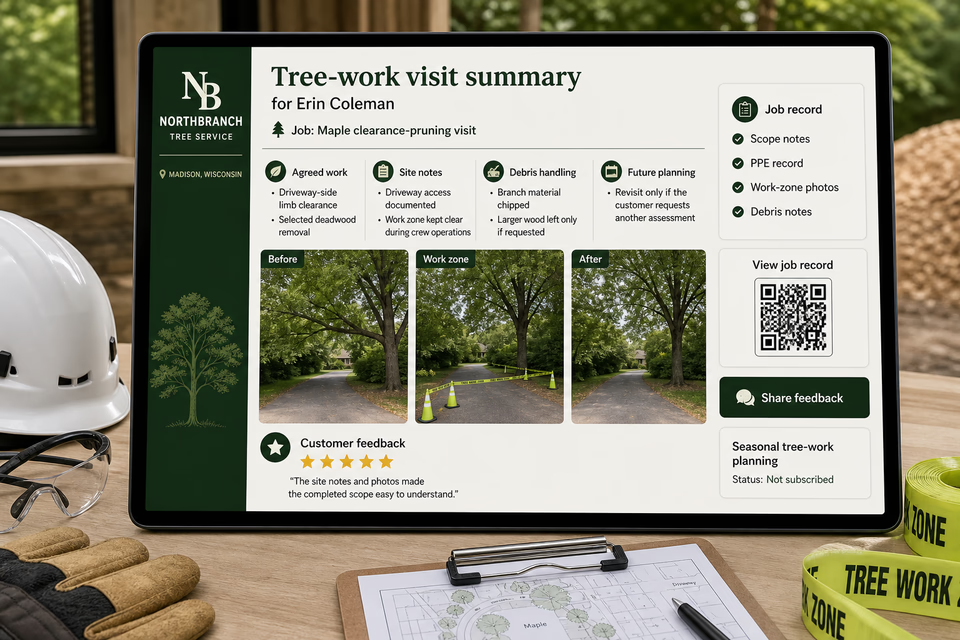
Package the agreed scope, work-zone notes, project photos, feedback, and later planning items.
Share a concise job summary, organize visible progress and site notes, ask how the experience went, make a public review easy, and keep a restrained path open for future pruning or property planning when the customer has agreed to hear from you.
Pruning, removal, storm damage, stumps, clearance, young trees, and commercial properties need different site context, safety planning, equipment, proof, and next steps. Focused pages help customers request the right assessment without promising availability, a remote diagnosis, permit approval, price, schedule, tree health, or a specific outcome before the site is reviewed.
Tree pruning
Tree removal
Storm-damage tree assessment
Stump grinding
Clearance pruning
Young-tree pruning
Tree cabling + bracing assessment
Tree inventory + maintenance planning
Commercial property tree work
Debris + wood handling options
Service-area pages for the communities you really cover
From search to the next job
The handoffs are the whole point.
The website should not end at a form, and a completed job should not end at an invoice. Each useful step gives the next person context.
01
They find the right service
A useful page or local listing matches the problem and gives the customer one obvious way to act.
02
The request stays alive
The call, form, or message lands in the same customer record with the service, location, and conversation attached.
03
A person owns the next step
The owner or office can reply, call, qualify, assign, and schedule with the history already in front of them.
04
The finished job keeps working
Feedback, reviews, print, referrals, and useful customer follow-up help one completed job create the next opportunity.
Tree service questions, straight answers
Show the whole tree. Mark the nearby targets. Leave the work plan to the site assessment.
01Can a tree service diagnose a tree or quote the work from customer photos?
Whole-tree, trunk-base, canopy, and surrounding-site photos can clarify the request and help plan the assessment, but they do not establish internal condition, root issues, load, access, rigging, equipment, utilities, traffic control, permits, or the complete scope. Use them to prepare the site review, not promise a diagnosis or final price.
02Can the website promise emergency tree response?
Only if the company has a real, staffed response program and can state its terms accurately. General tree-service copy should let customers describe blocked access, damaged limbs, structures, and current restrictions while avoiding guaranteed arrival times, availability, or outcomes.
03Can a page guarantee that pruning or removal will protect the property or keep a tree healthy?
No. Tree condition, weather, soil, roots, pests, construction impacts, future loading, and surrounding targets can change. Describe the assessed scope and documented work without promising health, stability, storm resistance, safety, or property protection.
04What tree-service photos are useful and safe to request?
Ask for the entire tree from multiple ground-level angles, the trunk base from a safe distance, the visible concern, nearby structures and utilities, access routes, and anything currently blocked. Do not ask customers to climb, stand beneath damaged limbs, cross a work zone, touch utility lines, or move unstable material.
Want to see the complete setup for your tree service company?
Bring the old site. Or the lack of one.
We will show you how the website, calls, messages, local search, reviews, and follow-up can work as one practical customer system.