Start with the timing and entry point
The request path should collect where water or moisture appears, when it happens, recent weather, affected rooms, photos, property details, and access notes before the office schedules an evaluation.

The complete customer system for waterproofing contractors
Basement and crawl-space water concerns change with rainfall, snowmelt, grading, foundation details, drainage paths, and prior work. We connect the website, calls, messages, photos, site-evaluation details, reviews, and follow-up so the contractor can understand the property story before recommending a scope.
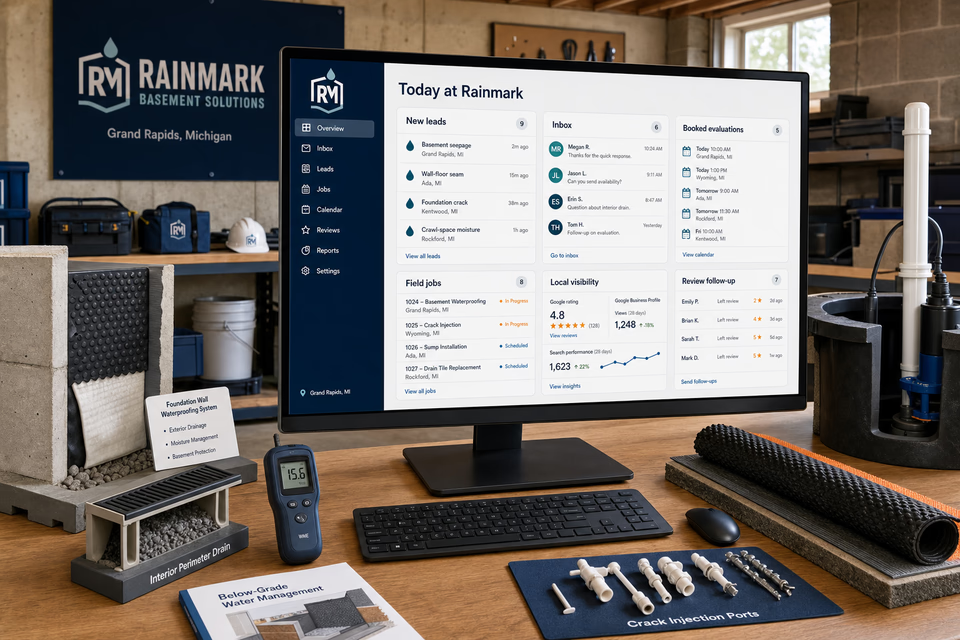
What the complete setup should do
Water at a wall-floor seam, moisture near a crack, a damp crawl space, and an overwhelmed sump system are not interchangeable requests. The customer system should collect the timing, location, photos, property conditions, access, and prior work without diagnosing the cause online or promising a permanently dry result.
The request path should collect where water or moisture appears, when it happens, recent weather, affected rooms, photos, property details, and access notes before the office schedules an evaluation.
Interior drainage, sump work, crack sealing, exterior excavation and membrane work, crawl-space systems, and grading-related questions need distinct explanations rather than one blanket waterproofing promise.
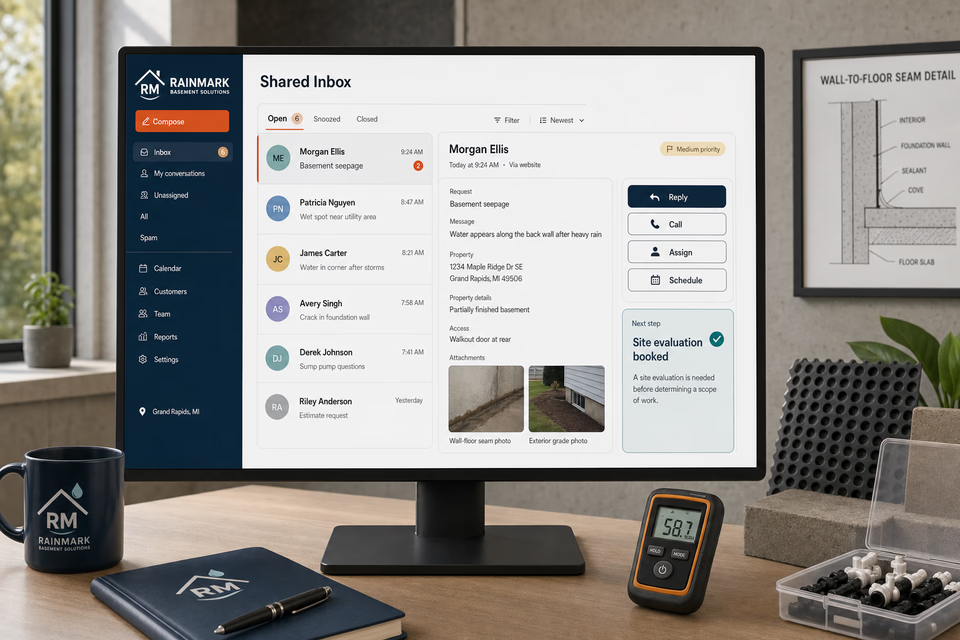
Wall-floor seam photos, visible cracks, moisture readings, exterior grade and downspout photos, sump details, prior repairs, and finishing conditions should remain with the same conversation.
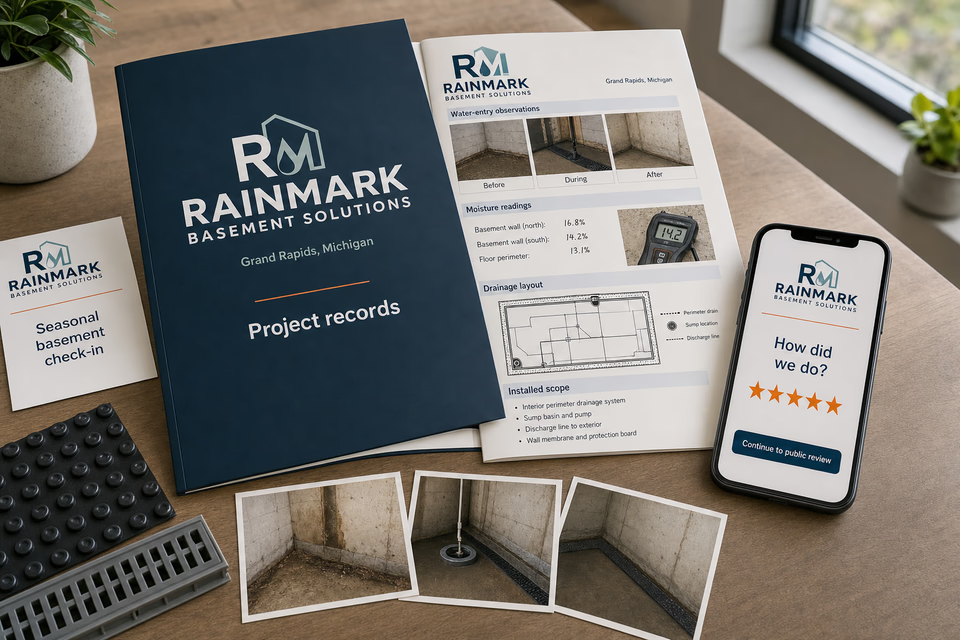
An organized handoff can include water-entry observations, the installed scope, drainage layout, equipment information, project photos, customer feedback, and a restrained seasonal check-in.
The waterproofing system
Each part is built around basement water-entry evaluations, interior drainage systems, sump work, crack sealing, and exterior waterproofing, and every service below links to the full explanation of what it does.
Get found for the actual water-entry concern
Build focused pages around the waterproofing services you truly provide, the observations customers can share, the evaluation process, and the communities you cover. Keep local listings, search work, and campaigns pointed at those same scopes.
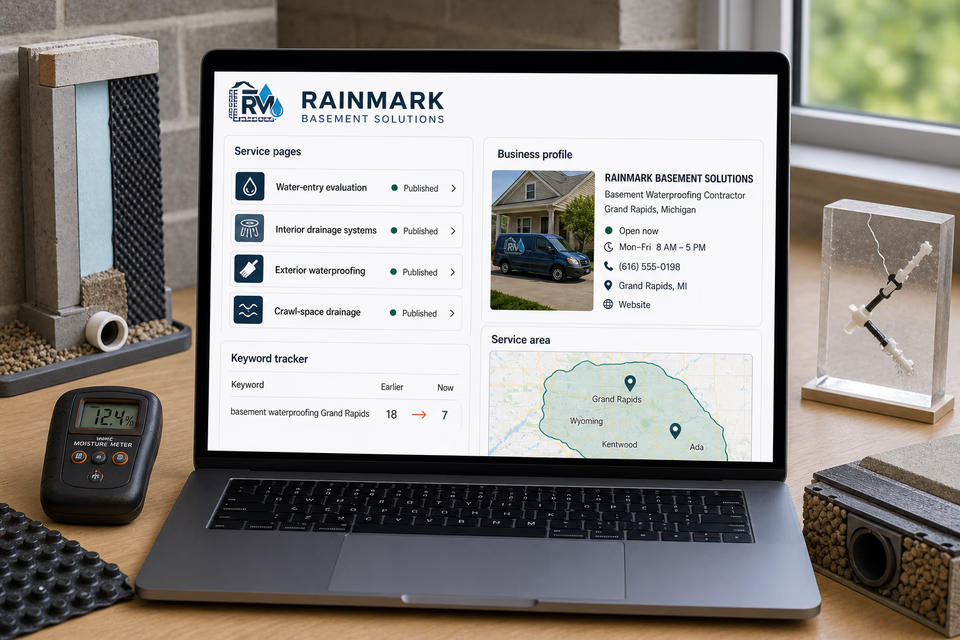
Keep every property clue together
A call or form can become one owned conversation. The water-entry location, weather timing, wall and exterior photos, finishing conditions, sump information, reply, assignment, and site-evaluation schedule stay together for office and field teams.
Document the installed scope without overpromising
Ask how the project went, make a public review easy, deliver an organized summary with observations, moisture readings, drainage layout, and installed components, and send restrained seasonal check-ins only when they fit the customer relationship.
Every part of the offer
These are the complete Worker Websites services that can support a waterproofing contractor. Open any service for the deeper explanation.
Explain basement water-entry evaluations, interior drainage systems, sump work, crack sealing, and exterior waterproofing, show the real service area, and make the next step easy on a phone.
See the service 02Acknowledge an allowed missed call while the customer is still deciding who to contact.
See the service 03Keep calls, texts, forms, email, chat, and social messages in one active customer conversation.
See the service 04Give the team one work number for calls, texts, and job photos without sharing a personal cell.
See the service 05Follow up on site-evaluation requests, open waterproofing proposals, requested property photos, equipment questions, and unanswered access details without losing the human handoff.
See the service 06Survey the customer first, then make the public review path easy when they are fully satisfied.
See the service 07Send spring-rain planning check-ins, seasonal sump-system reminders, and useful post-project referral invitations to past customers who agreed to hear from you.
See the service 08Improve the pages people find and keep the local listing complete, accurate, and tied to the right services.
See the service 09Track the searches that matter and keep improving useful waterproofing contractor service and location content.
See the service 10Put paid search behind specific basement water-entry evaluations, interior drainage systems, sump work, crack sealing, and exterior waterproofing, locations, landing pages, and clear tracking.
See the service 11Use evaluation folders, water-entry observation sheets, drainage-layout summaries, equipment reference cards, and QR feedback pieces and other practical pieces before and after the job.
See the service 12Make the website, service vehicles, crew apparel, proposals, site reports, project records, equipment labels, and customer messages look like the same waterproofing contractor.
See the servicePages built around real water-entry situations
Interior drainage, sump systems, crack sealing, exterior membrane work, crawl-space drainage, and window-well water management solve different parts of a property problem. Each page should explain the scope, useful intake details, site-evaluation process, and next step without turning a service description into a guarantee.
From search to the next job
The website should not end at a form, and a completed job should not end at an invoice. Each useful step gives the next person context.
A useful page or local listing matches the problem and gives the customer one obvious way to act.
The call, form, or message lands in the same customer record with the service, location, and conversation attached.
The owner or office can reply, call, qualify, assign, and schedule with the history already in front of them.
Feedback, reviews, print, referrals, and useful customer follow-up help one completed job create the next opportunity.
Waterproofing questions, straight answers
No. The website is the front door. The complete setup can connect calls, texts, forms, property photos, evaluation requests, the shared inbox, scheduling, follow-up, reviews, local search, ads, print, and branding around the way your waterproofing company actually handles a project.
No. It can collect the water-entry location, timing, recent weather, photos, foundation and finishing details, sump information, and prior work so the contractor can prepare. A site evaluation is still needed before determining a scope.
No. The site should describe the company's evaluation process, offered systems, documentation, and only the warranty it actually provides. It should not promise that every variable is known or that future water entry is impossible.
Water management and structural repair can overlap, but they are different scopes. The site should explain the waterproofing work the company truly performs and direct significant movement, bowing, or other structural concerns to the appropriate qualified professional without claiming engineering or code authority.
Want to see the complete setup for your waterproofing contractor?
We will show you how the website, calls, messages, local search, reviews, and follow-up can work as one practical customer system.
Book the 20-minute demo